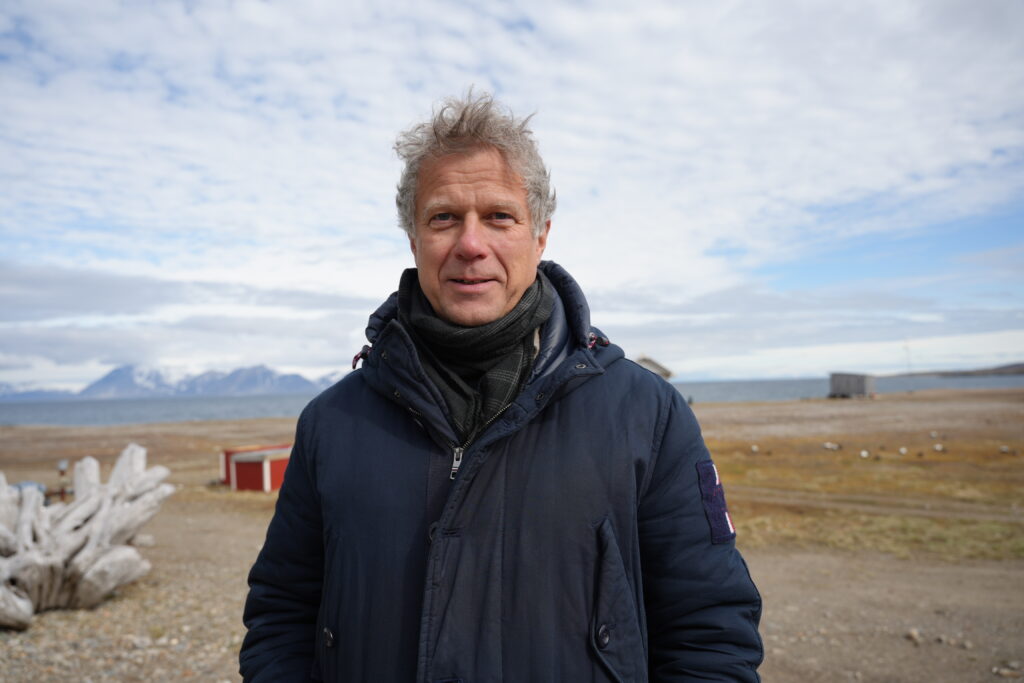
A remote Arctic community, a changing geopolitical landscape and an energy system in transition. During a recent study visit to Svalbard, Nordic Energy Research met with local stakeholders to explore how energy security, resilience and the energy transition are being addressed in one of the world’s most challenging environments.
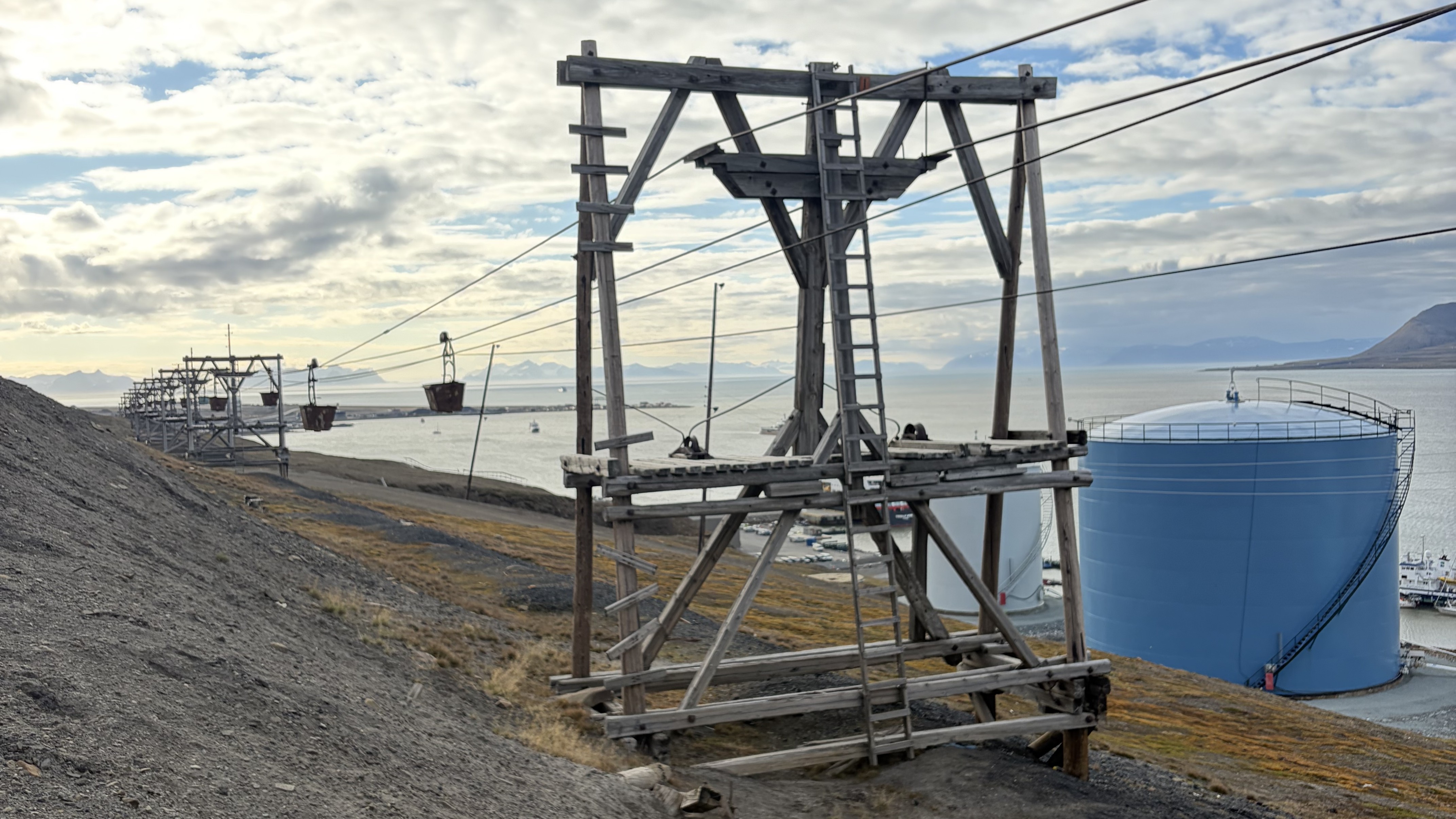
Located at 78 degrees north, Svalbard has for more than a century been shaped by coal mining. Coal was not only a key export commodity, but also the foundation of the archipelago’s energy supply. Following the closure of the last coal mine and coal-fired power plant in 2023, Svalbard is now navigating a complex transition towards a more sustainable energy future.
Yet the transition is about more than replacing one energy source with another. It also raises broader questions about energy security, preparedness and resilience. How can renewable energy infrastructure be developed in extreme Arctic conditions? How can a remote community ensure reliable energy supplies while reducing emissions? How do you bring the local community along in the energy transition? And how do you secure the expertise and infrastructure needed to support increasingly complex energy systems?
From coal to a more complex energy system
One of the key lessons from the visit was that energy transitions are not always straightforward.
For decades, Svalbard’s energy system was based on locally produced coal. Today, electricity and district heating are supplied by diesel imported from the mainland. While the transition has reduced emissions significantly, it has also introduced new challenges related to fuel supply, costs and long-term energy planning.
Local stakeholders described how the shift away from coal has transformed a relatively simple energy system into a far more complex one. Future solutions are expected to combine multiple technologies, creating hybrid energy systems that require new skills, operational expertise and infrastructure.
The transition has also highlighted the importance of maintaining reliable energy supplies throughout the process. In a community where harsh weather conditions can quickly become a safety issue, resilience remains a central consideration.
Building resilience alongside the transition
One message came through clearly during the visit: the energy transition must go hand in hand with energy security. Before new renewable solutions can be introduced, the community needs to ensure that electricity and heating remain reliable under all conditions.
Longyearbyen’s energy infrastructure is currently undergoing significant upgrades, including plans for new backup generation capacity. Local stakeholders emphasised that ensuring reliable electricity and heating remains essential as the community prepares for future renewable energy solutions.
The challenges are not limited to technology. Recruiting and retaining specialised expertise can be difficult in a community of around 2,500 residents, where many people stay only for a limited period. At the same time, Svalbard’s geographic isolation creates dependencies on transport, logistics and critical infrastructure that are less visible in larger energy systems.
Meetings with Longyearbyen Local Government and the Governor of Svalbard also highlighted the close links between energy security, emergency preparedness and broader societal resilience. These discussions provided an opportunity to exchange experiences and share insights from Nordic Energy Research’s recent report Energy Security in the Nordics.
Svalbard as a living laboratory
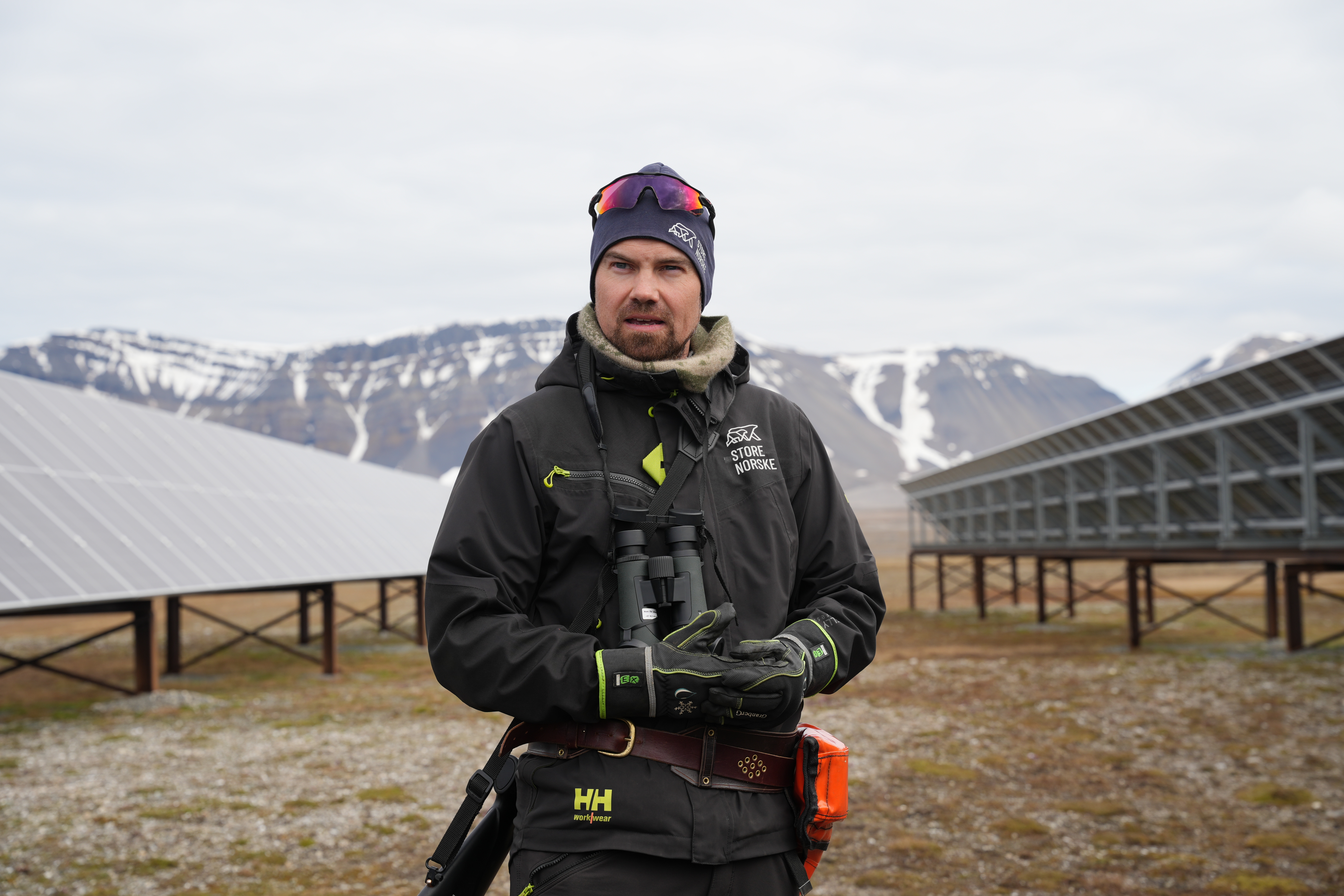
Despite these challenges, Svalbard also offers unique opportunities for innovation.
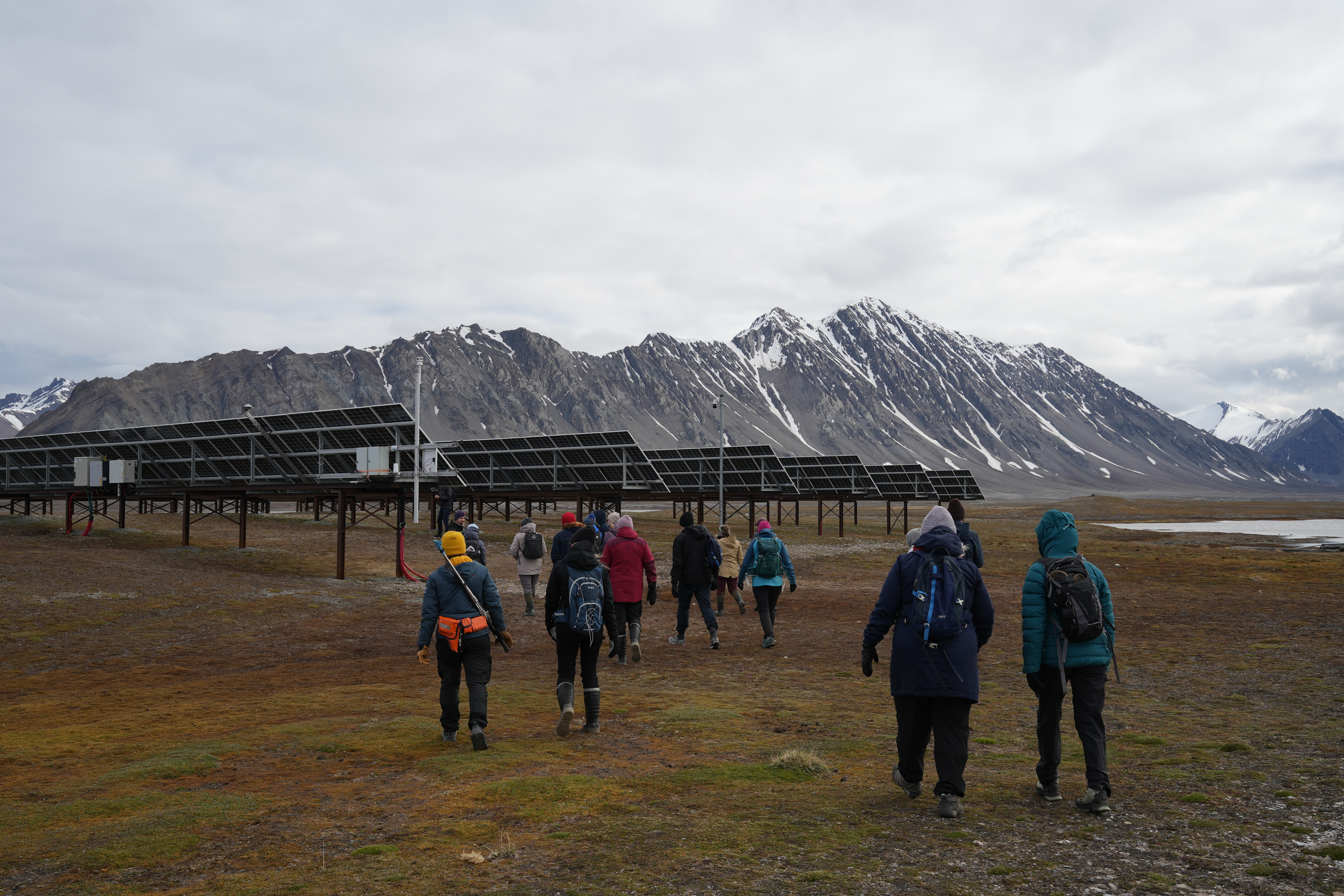
During the visit, Nordic Energy Research met with representatives from Store Norske, Svalbard Energi, The University Centre in Svalbard (UNIS) and Avinor to learn more about ongoing efforts to develop and test new energy solutions under Arctic conditions.
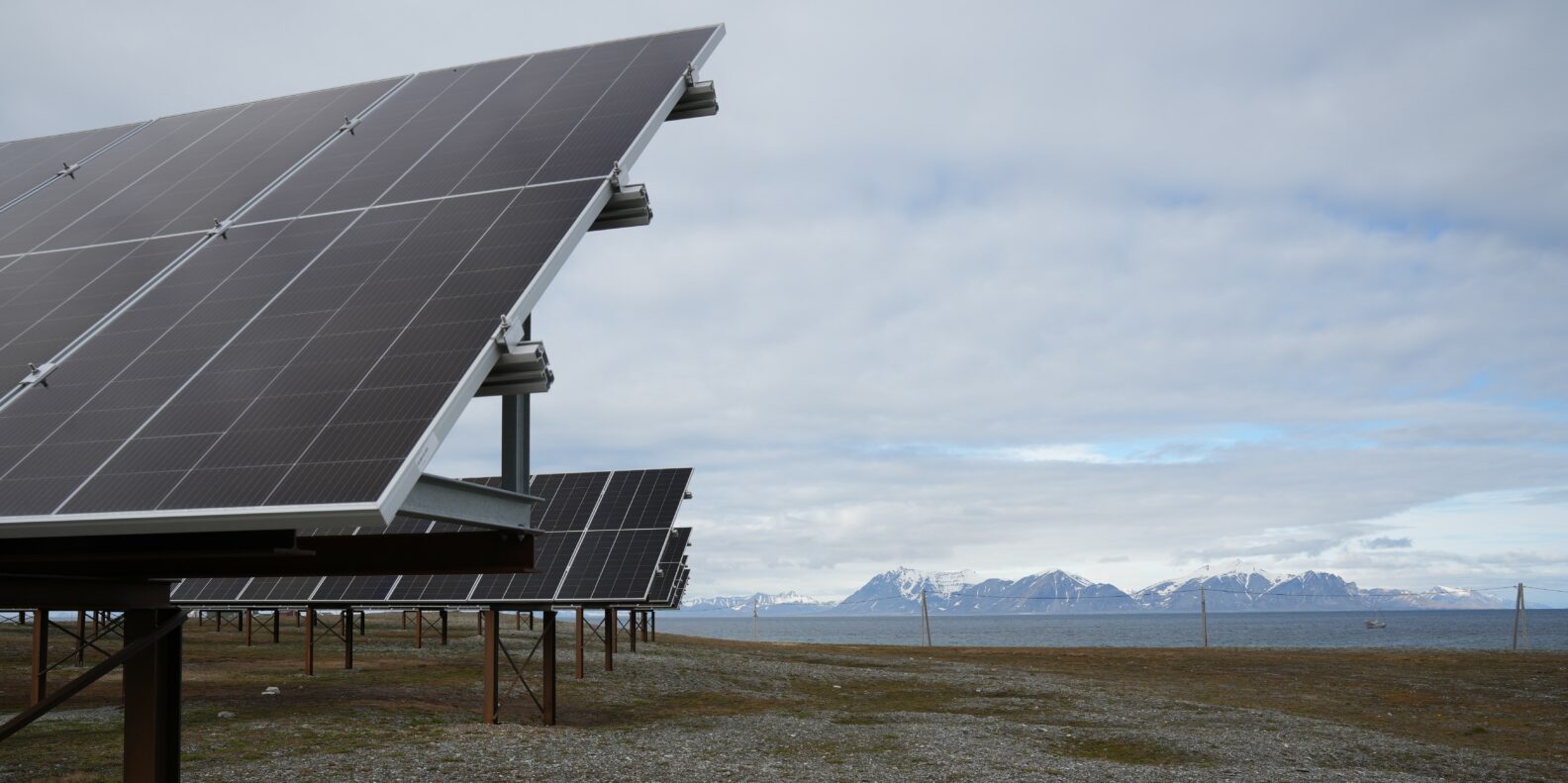
One example is the solar energy pilot at Isfjord Radio, the world’s northernmost solar power installation. The project demonstrates how renewable energy technologies can be adapted to Arctic conditions through solutions such as bifacial solar panels that capture reflected sunlight from snow-covered surfaces and designs adapted to snow accumulation and permafrost.
Researchers at UNIS described how Svalbard increasingly serves as a testbed for Arctic technologies and energy solutions. If technologies can withstand the cold, wind and humidity of the High Arctic, they are likely to perform well in many other environments.
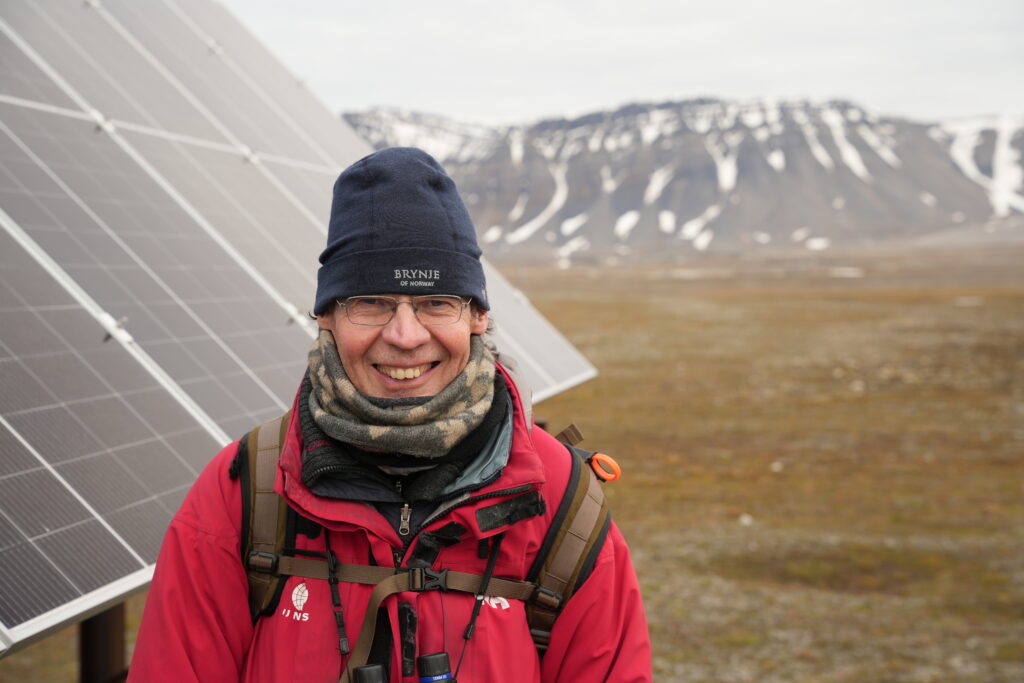
“We are establishing Svalbard as a “testination”. If a solution can work here, in these extreme conditions, they can work anywhere”, Gijsbert D. Breedveld, Department leader at Arctic Technology at University Centre of Svalbard, described it.
Lessons for the Nordic region
While Svalbard’s circumstances are unique, many of the challenges it faces are highly relevant across the Nordic region. Remote and isolated communities are often among the first to confront questions of energy security, resilient infrastructure and the integration of renewable energy under demanding conditions.
These are also central themes in Nordic Energy Research’s work. Through initiatives such as the Net Zero Islands Network, collaboration with partners in Canada on Arctic energy solutions, and research on Nordic energy security, the organisation works to strengthen knowledge exchange and develop resilient, sustainable energy systems adapted to local conditions.
The visit also reinforced another important lesson: successful energy transitions are not driven by technology alone. They also depend on people. On Svalbard, the shift away from coal has had a direct impact on local livelihoods and community identity, illustrating why public engagement and social acceptance are essential components of a just and lasting energy transition. These are also key questions in Nordic Energy Research’s ongoing work on the societal dimensions of energy transitions.
“The experiences from Svalbard are highly relevant to our work on energy security, isolated energy systems and Arctic energy solutions, and they show why Northern collaboration is essential if we are to build the energy systems of the future,” said Klaus Skytte, CEO of Nordic Energy Research.