

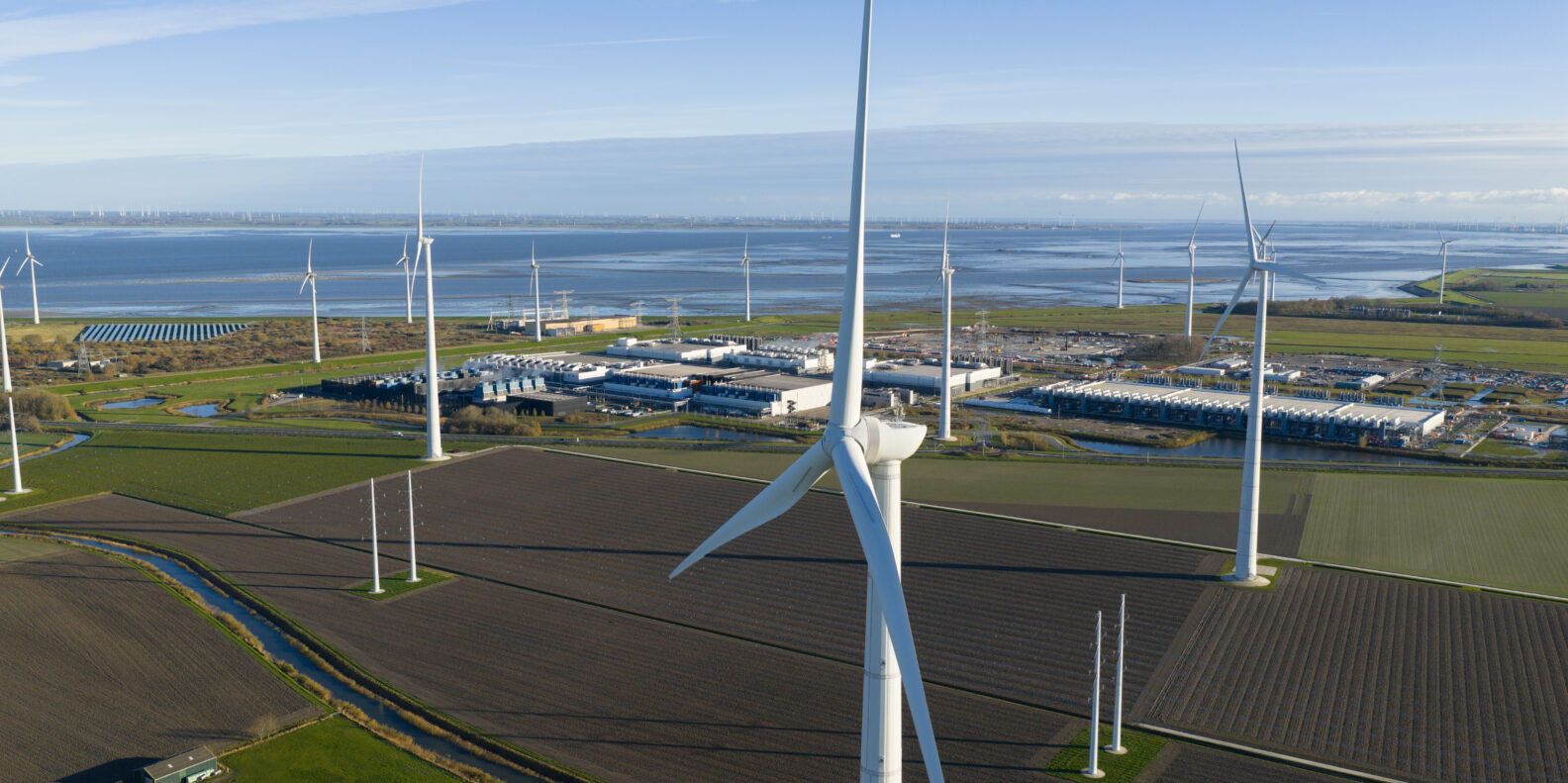
We have reached the final round of Nordic Energy Challenge 2026 – Powering Nordic AI, and four finalists are left to compete for the three prizes. In their proposals, they explore how artificial intelligence (AI) can contribute to a more efficient, resilient and sustainable Nordic energy system – while also addressing some of the challenges created by AI itself.
This year, Nordic Energy Research received a record of 23 qualified submissions to the competition. The finalists now move forward to the final stage, where the winner will be announced during the event Energi för nordisk AI – vägen mot ett smartare och mer inkluderande energisystem – Nordic Energy Research on 25 June.
Their proposals approach the relationship between AI and energy from different perspectives. Some focus on how AI and data infrastructure can be powered more sustainably. Others examine how AI can make energy systems safer, more transparent and more resilient in the Nordics.
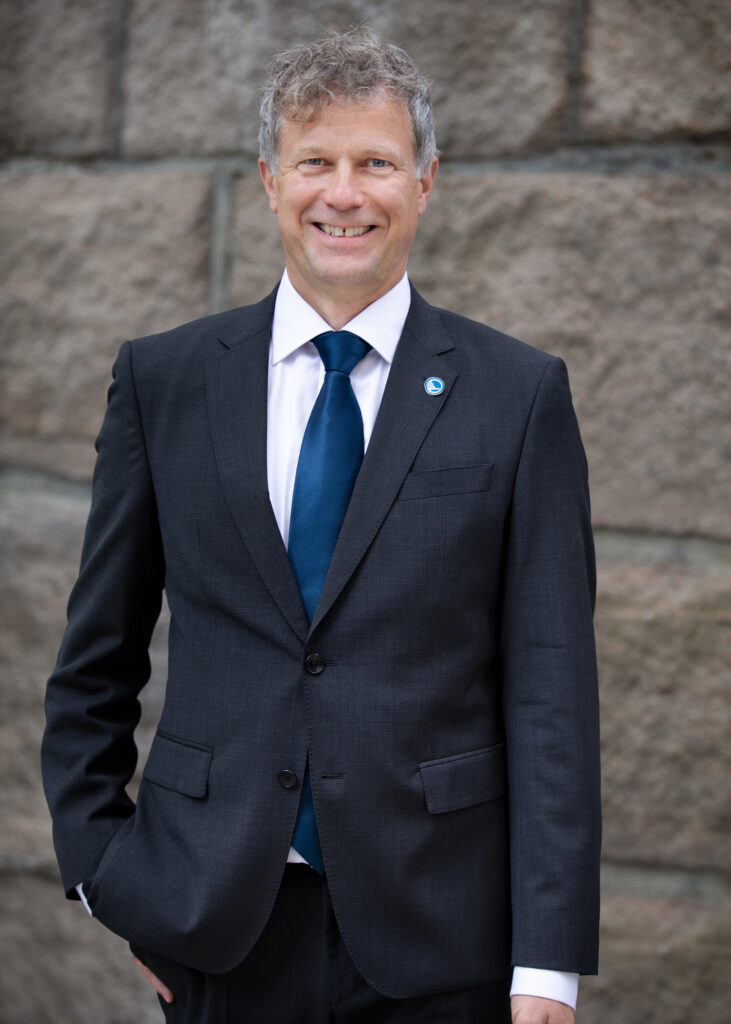
“These four proposals demonstrate that AI and energy need to be planned together. Without sufficient energy, AI cannot scale, and without AI, it will be difficult for the Nordics to achieve their ambitious energy and climate goals. The ideas illustrate different ways in which AI can support a more sustainable, secure and resilient energy system,” says Klaus Skytte, CEO of Nordic Energy Research and member of the jury.
A Nordic strategy for sustainable AI infrastructure
One finalist proposal, submitted by Zheng Grace Ma and Bo Nørregaard Jørgensen from the University of Southern Denmark, explores how the Nordic region could strengthen its control over AI infrastructure while making better use of renewable energy.
The idea is to develop a Nordic AI Sovereignty Strategy. It’s a framework for coordinating AI computing across the Nordic countries, so that flexible AI workloads can be shifted to times and places where renewable energy is available and the electricity grid is less constrained.
The proposal also includes a Renewable AI Certification and a Nordic AI Sovereignty Index, aiming to increase transparency around how AI infrastructure is powered and governed.
Making AI safer for electricity systems
Ashish Rauniyar from SINTEF Digital is a finalist with SAFIRE, a proposal that focuses on the safety of AI in increasingly automated electricity systems.
As AI becomes more widely used in grid operation and energy system management, it can create new risks. AI systems may react in unexpected ways, interact poorly with each other, or fail when conditions differ from the data they were trained on.
SAFIRE examines how such risks could contribute to cascading failures in electricity systems – and how early warning signals can be detected before problems escalate. Using Norwegian electricity market data, the proposal demonstrates how machine learning can identify warning signals linked to periods of stress in the power system.
The aim is to support more resilient and trustworthy AI-enabled energy infrastructure.
What if data followed energy?
The third finalist proposal, submitted by Sina Kanesbi from the University of Vaasa, focuses on how data centres and AI workloads could become a more flexible part of the energy system.
The idea, called Data Follows Energy, is based on a simple principle: instead of treating data centres as fixed electricity consumers, flexible computing tasks could be moved to places where renewable energy is abundant.
This could help reduce pressure on electricity grids, make better use of renewable energy, and support more sustainable AI growth across the Nordic region.
The proposal highlights the Nordic region’s strong renewable energy base, interconnected electricity markets and advanced digital infrastructure as key advantages for testing this approach.
Making the environmental cost of AI visible
The fourth finalist proposal, submitted by Drin Saliu and Jaap Oke Tadsen from the Technical University of Denmark, focuses on transparency in everyday AI use.
Their idea, PromptGreen, is a tool that shows the energy, carbon and water footprint of AI prompts in real time. Through a browser extension and benchmarking platform, users would be able to compare the environmental impact of different AI models and make more informed choices.
The proposal responds to a growing challenge: while AI use is increasing rapidly, most users have little visibility into the resources required to generate AI outputs.
The winner will be announced during Almedalsveckan
The winner of Nordic Energy Challenge 2026 will be announced during the event Energi för nordiskt AI – vägen mot ett smartare och mer inkluderande energisystem, held during Almedalsveckan on Gotland on 25 June.
The winning proposal will receive NOK 50,000. Second and third place also receive monetary prizes.