The project Inverted charge crystals for new high-performance solid state electrolytes (In-Charge) aims to find better materials for high-capacity, high power batteries, by creating a dataset for easier investigation and experimental testing of these materials.
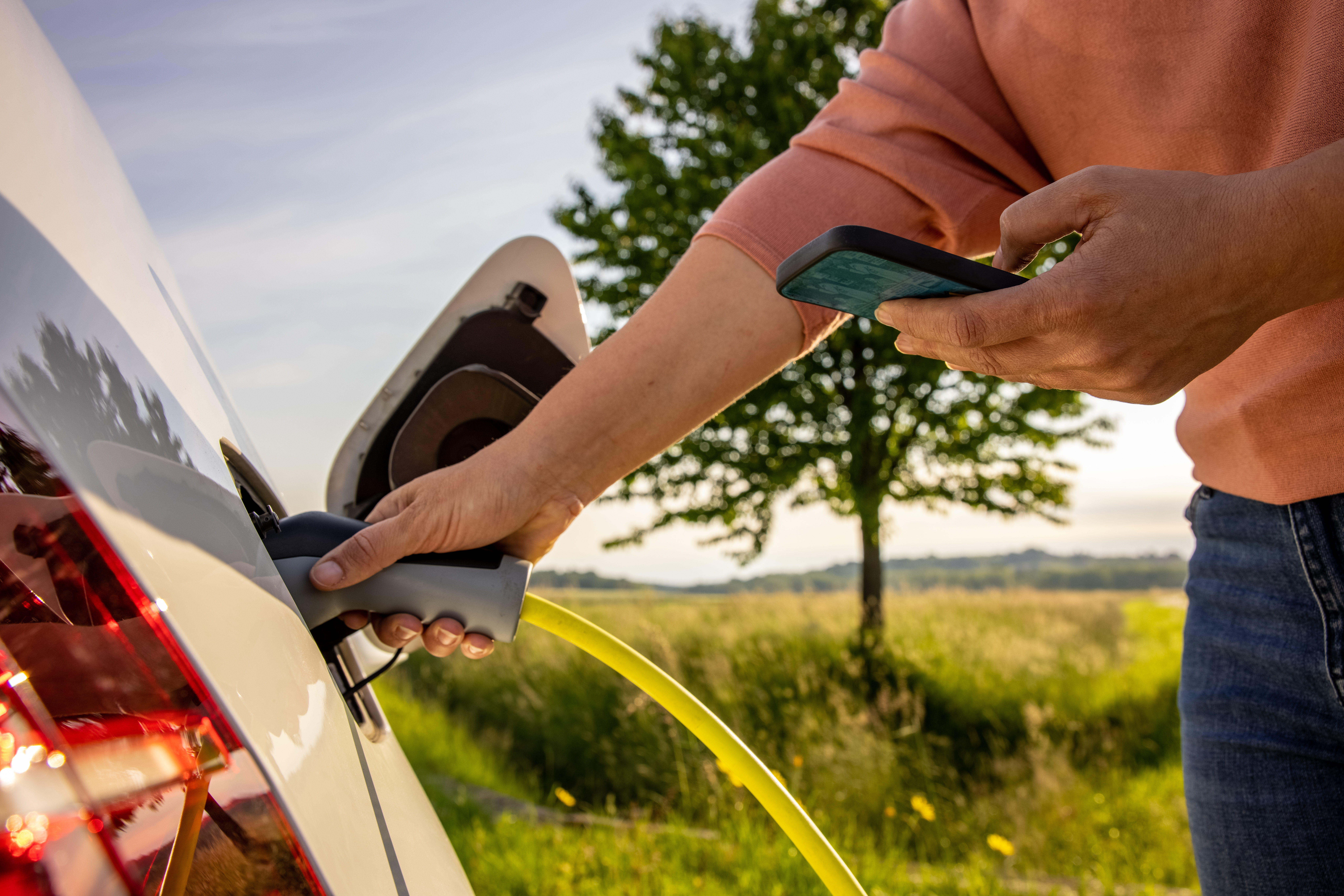
Rapidly developing technologies like mobile phones, electric cars, and drones have the potential to contribute to the well-being of our countries, increase European security, and eventually replace fossil fuels – if we could store energy for long enough in high-capacity batteries charged from renewable sources. The capacity of current batteries, however, is way below the threshold required for complete replacement of oil products (fossil fuels) as energy stores. The energy density of the best batteries today is 260 Wh/kg = 0.93 MJ/kg (Flux Power 2020), whereas diesel fuel has 43.2 MJ/kg (Engineering ToolBox 2008).
Most of the batteries we use today are based on non-sustainable and hazardous materials, such as cobalt and lithium. Currently, we cannot make better batteries because our understanding of the properties of the interfaces between the battery components (electrodes and electrolytes) is lacking (Atkins 2021). In-Charge therefore proposes to apply the High Throughput Computation approach to create a catalogue of material interfaces relevant to batteries, to elaborate a comprehensive data model to describe those interfaces and make them searchable, and to offer these results as a FAIR (Wilkinson 2016) dataset.