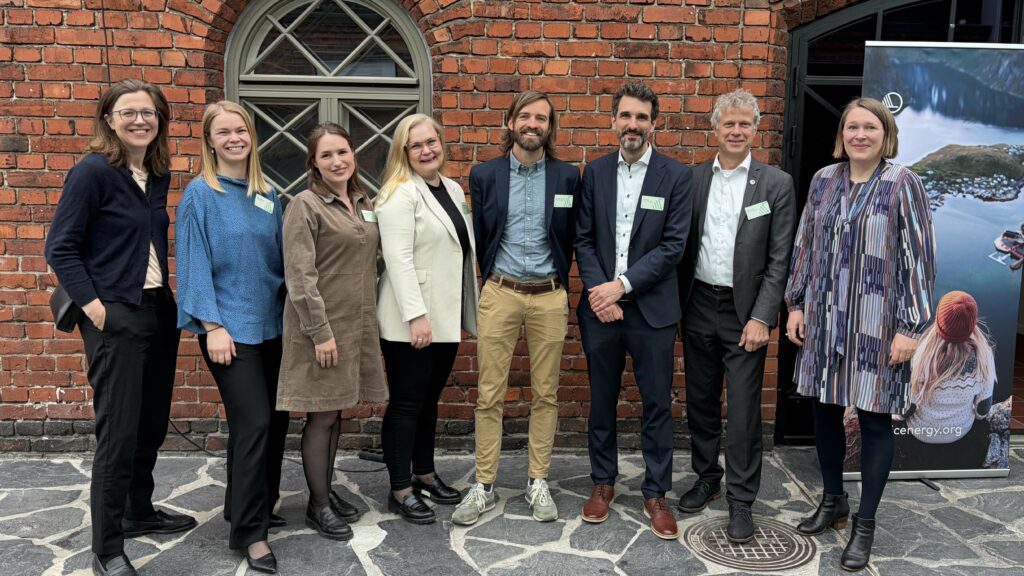
On 11–12 May, Nordic electricity market stakeholders gathered in Helsinki for the annual Nordic Electricity Market Forum 2026. This year’s forum focused on flexibility in Nordic electricity markets and how market design can support an increasingly electrified and renewable energy system.
As renewable generation continues to grow and electrification accelerates across the Nordic region, the need for flexibility, coordination and resilient electricity systems is becoming ever more important. Against a backdrop of increasing geopolitical uncertainty and growing focus on energy security across Europe, participants discussed how Nordic electricity markets can adapt to future challenges while supporting both competitiveness and the green transition.
Flexibility and energy security high on the agenda
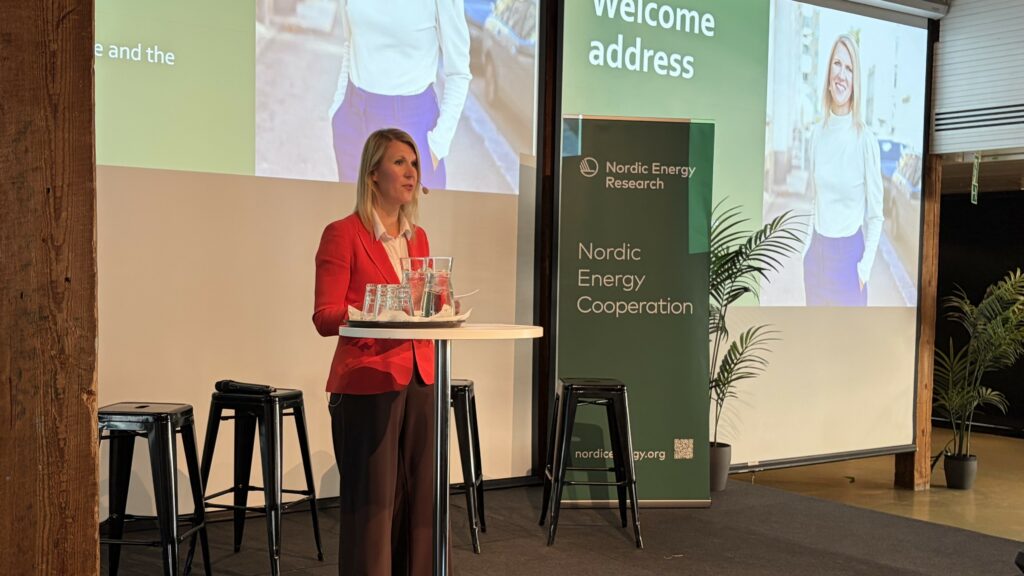
Opening the forum, Finland’s Minister of Climate and the Environment, Sari Multala, highlighted the growing connection between energy policy, security and resilience.
“Clean and reliable electricity is not only a climate issue – it is also a security issue,” she said.
Minister Multala emphasised the importance of Nordic cooperation in strengthening both energy security and the green transition. She also underlined the value of well-connected electricity systems and the Nordic region’s strong tradition of cooperation through shared electricity markets, infrastructure and experience.
The second day of the forum continued these discussions with an online keynote from Brussels by Laila Kienel, deputy head of the unit for renewables and energy system integration policy at the European Commission. Kienel addressed the growing importance of flexibility in future electricity systems, particularly in a time of increasing geopolitical uncertainty. She also emphasised the need for regulatory frameworks that support the green transition, protect consumers from price shocks, and enable investment in future electricity systems.
Nordic discussions on future market design
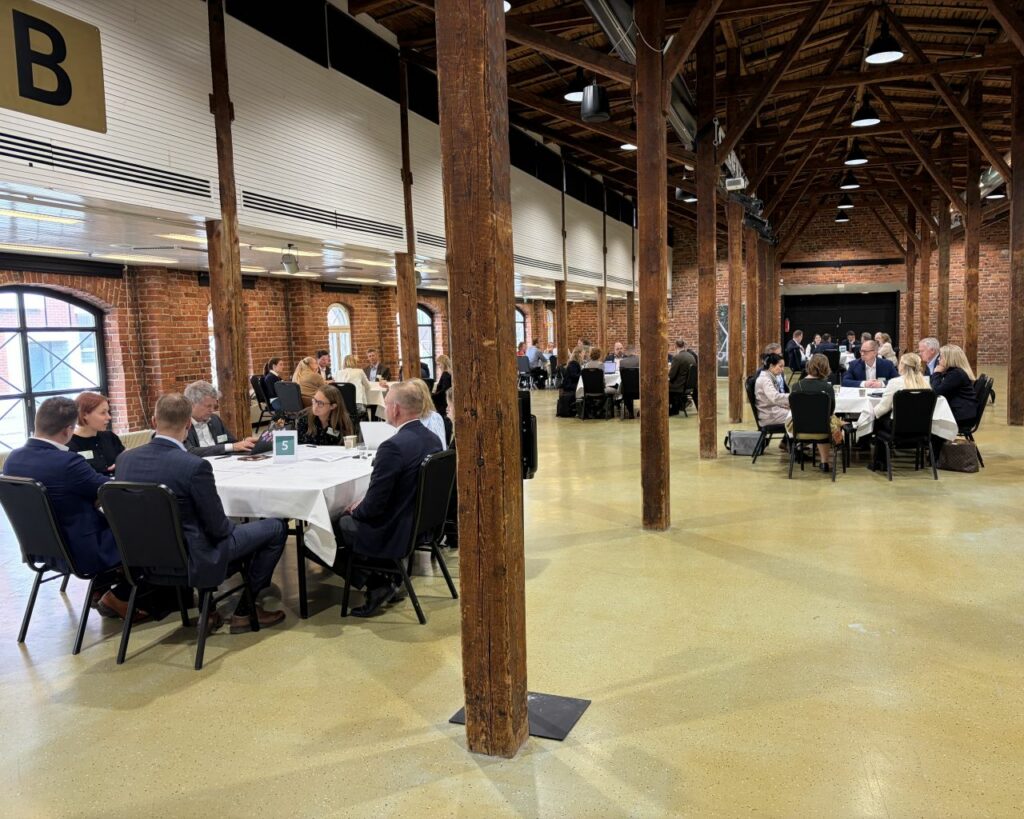
Throughout the two-day forum, participants engaged in breakout discussions exploring how Nordic electricity market design could better support flexibility across different time frames and grid levels.
Among the most frequently raised points were the need for improved transparency within and beyond the Nordic region, stronger Nordic harmonisation, and better coordination between distribution system operators (DSOs) and transmission system operators (TSOs). Participants also highlighted the importance of clearer price signals to encourage consumer participation and enable more flexible electricity use.
The discussions reflected both the complexity of flexibility challenges and the strong willingness among Nordic stakeholders to collaborate on cross-border solutions.
Concluding the forum, Andrea Stengel, Senior Adviser at Nordic Energy Research and responsible for the Nordic Electricity Market Group, noted that many concrete flexibility solutions are already emerging across the Nordics.
“The discussions in Helsinki showed that the need for flexibility is growing rapidly – and that we now need to move from isolated pilots towards implementation at scale.”
The Nordic Electricity Market Forum
Held annually since 2018, the forum brings together representatives from producers, consumers, regulators, ministries, TSOs, DSOs, and electricity exchanges from across the Nordic region. The purpose of the forum is to strengthen a shared understanding of key electricity market developments, develop a common Nordic voice, and communicate Nordic perspectives to national authorities and the EU.
The outputs and reflections from this year’s forum discussions will now be compiled and shared with relevant Nordic stakeholders and authorities through the Nordic Electricity Market Group.