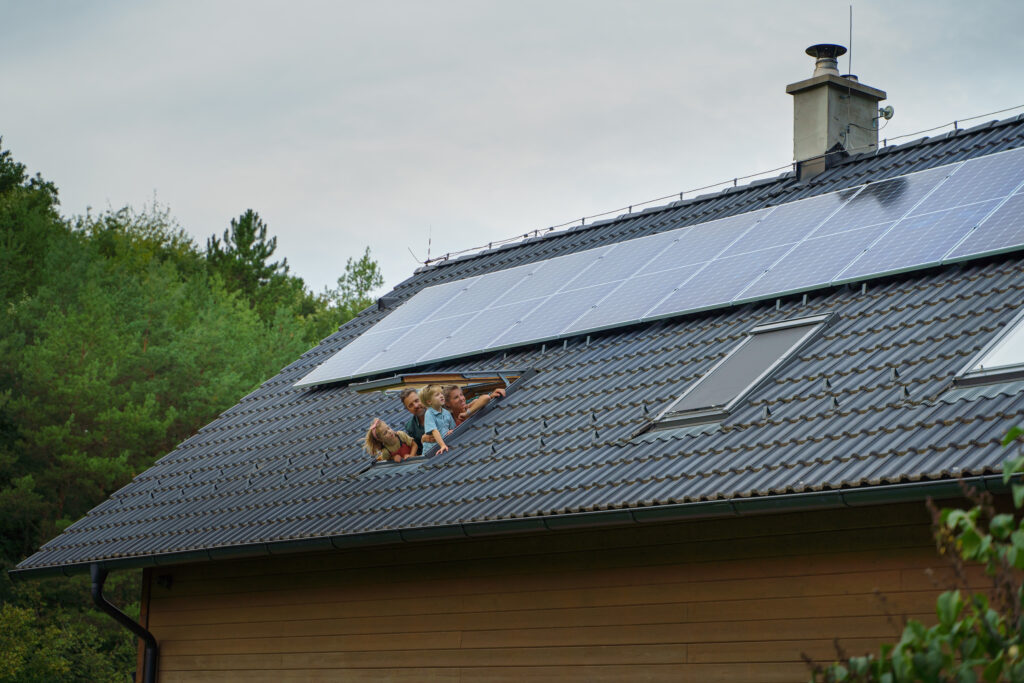
The aim of Energy lives! Infrastructural citizenship in Nordic energy transitions is to analyse mechanisms of agency, appropriation, and resistance in energy transitions, distributed among people, politics, and infrastructures.
As the world faces the urgent need to move beyond fossil fuel dependency, the Nordic region is striving towards low-carbon societies, primarily through renewable energy and electrification. Energy transitions are complex, multilayered historical processes, and by studying past transitions, the Nordic countries can develop energy systems that are both environmentally and socially just.
The project examines Nordic energy transitions from the 1850s to the present, focusing on oil refineries, district heating, energy buildings, and their legacies. By looking at citizens both as historical actors whose choices have shaped current systems and as contemporary participants within those systems, Energy Lives! will generate new insights into how democratic engagement has influenced the legitimacy and effectiveness of energy transition processes. These perspectives are essential in current political discussions about creating environmentally just and equitable green transitions for present and future generations.