This research initiative Green nitrogen transition (GreeNTrans) aims to transition synthetic nitrogen fertilisers production to short-chain, reduced greenhouse gas, and circular economy-based technology.
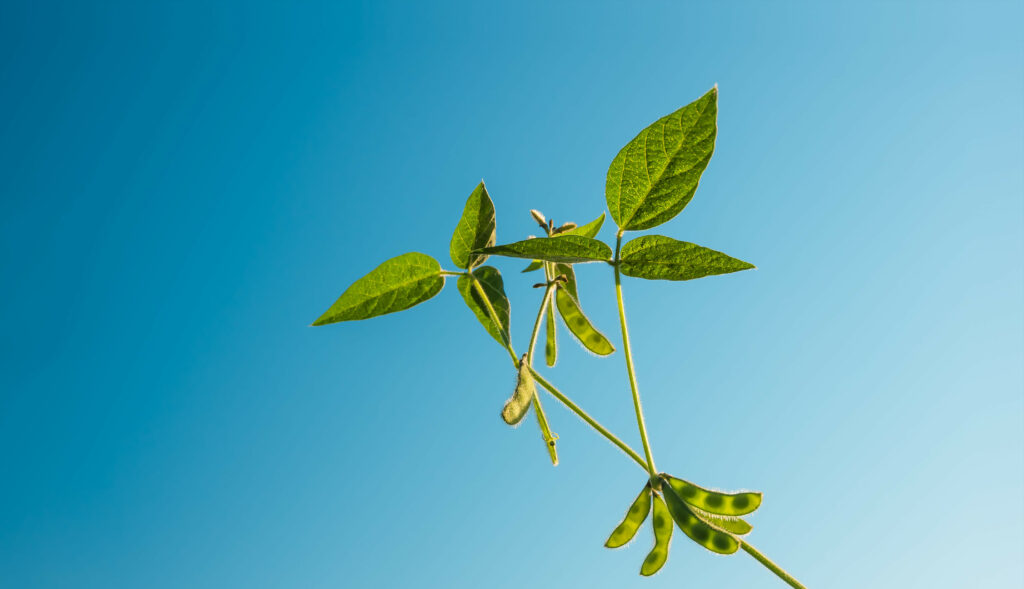
Reducing agriculture’s environmental impact while preserving high productivity is a key challenge in the Nordic countries. Traditional nitrogen fertilisers are a major contributor to greenhouse gas emissions, soil damage, and pollution of water systems. However, because legumes are naturally capable of fixing nitrogen from the atmosphere, they represent a promising, more eco-friendly alternative to synthetic fertilisers.
GreeNTrans investigates how legumes could support a transformation of nitrogen management in farming and help build a more resilient and sustainable agricultural model. By integrating legumes into farming systems, the project seeks to limit nitrogen loss, enhance soil quality, and reduce the climate footprint of food production.
Through examination of various legume species, soil types, and climate conditions, researchers aim to identify farming methods that maintain strong yields while reducing reliance on artificial nitrogen inputs. This approach supports biodiversity, helps mitigate climate change, and promotes the long-term sustainability of agriculture in the Nordic region.
The project is structured into five interconnected work packages that together span the full range of project activities and benefit from cross-border collaboration. Project results will be communicated to relevant stakeholders via workshops, scientific conferences, popular and academic publications, the project’s website, and social media platforms.