

The Nordic countries have built one of the world’s most integrated energy systems. But a new report warns that growing geopolitical tensions, infrastructure vulnerabilities and rising electricity demand require a new level of practical cooperation to safeguard energy security.
For decades, Nordic cooperation has helped create a highly integrated energy system built on trust, cross-border collaboration and increasing shares of renewable and fossil-free electricity. The region is often viewed as a global model for secure and sustainable energy.
However, according to the new report Energy Security in the Nordics, developments since 2022 have exposed a gap between the region’s strong reputation and its preparedness for a rapidly changing security environment. Russia’s full-scale invasion of Ukraine, repeated incidents affecting critical infrastructure in the Baltic Sea, and global supply disruptions have demonstrated that even highly resilient energy systems remain vulnerable to external shocks.
The report, prepared by the Economic Security Forum on behalf of the Nordic Council of Ministers and Nordic Energy Research, assesses energy security across Denmark, Finland, Iceland, Norway, Sweden, the Faroe Islands, Greenland and Åland. It examines electricity, oil and natural gas systems, critical infrastructure, supply chains, regional security challenges and existing cooperation mechanisms.
Energy security has entered a new era
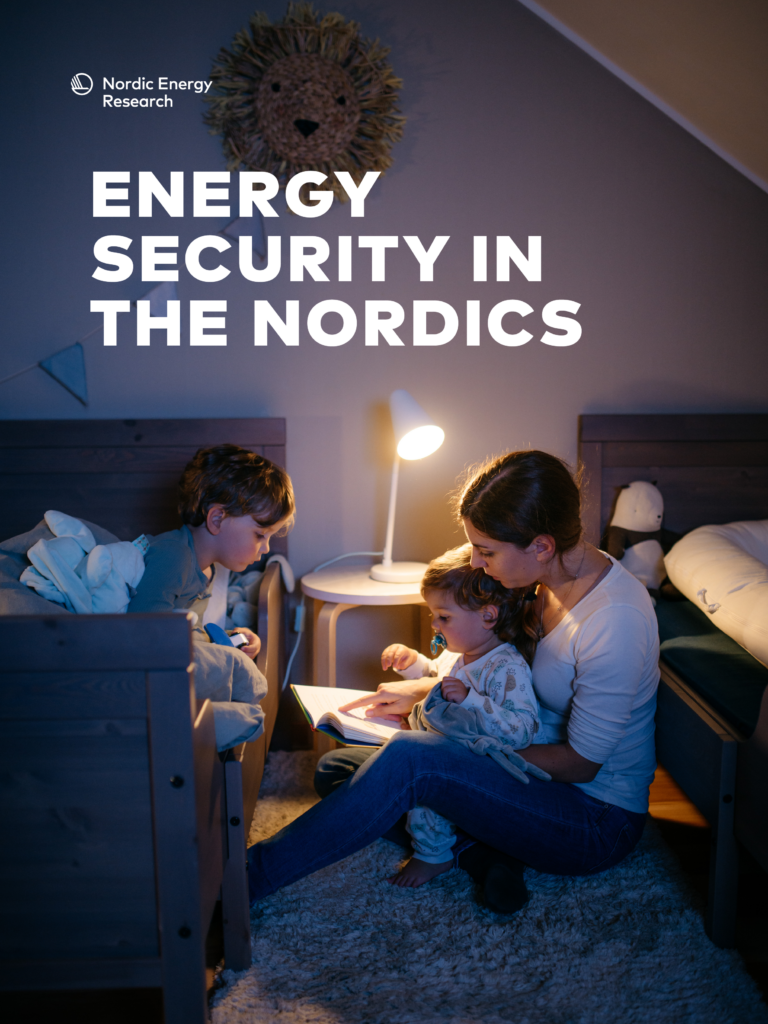
The report argues that energy security can no longer be understood solely in terms of energy supply. Today, cyber threats, infrastructure protection, supply chain resilience and preparedness for hybrid threats are equally important components of a secure energy system.
Three developments have reshaped the Nordic energy security landscape:
- Russia’s invasion of Ukraine demonstrated how geopolitical shocks can spread through interconnected energy markets.
- A series of incidents affecting subsea infrastructure in the Baltic Sea highlighted the vulnerability of critical energy assets.
- The recent Strait of Hormuz crisis showed how global disruptions can affect energy prices and supply chains far beyond the immediate region.
Together, these developments underline the need for closer cooperation and more robust preparedness across the Nordic region.
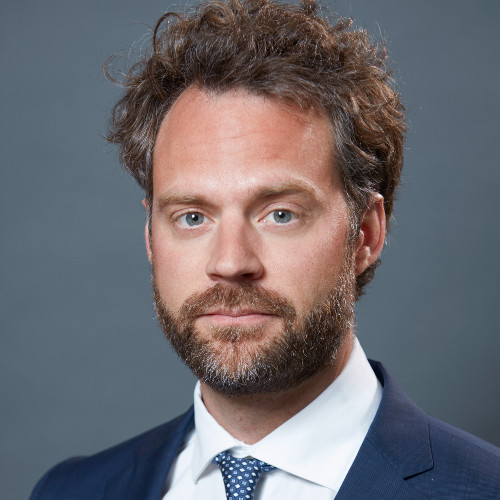
“The Nordic countries have built strong institutions and extensive cooperation over many decades. The challenge today is that emerging threats require cooperation that is not only political and strategic, but operational,” says Mikael Wigell, Chief Executive Officer, Economic Security Forum, and lead author of the report.
Key findings from the report
The report identifies several vulnerabilities that require greater Nordic coordination.
Electricity demand is growing faster than infrastructure
Electricity consumption is expected to increase substantially as transport and industry continue to electrify. Across the Nordic countries, demand is projected to grow by between 1.2- and 2.6-times current levels by the middle of the century. The analysis identifies the early 2030s as the period of greatest adequacy risk, when demand growth may outpace the expansion of generation capacity and electricity grids.
Critical infrastructure is increasingly exposed
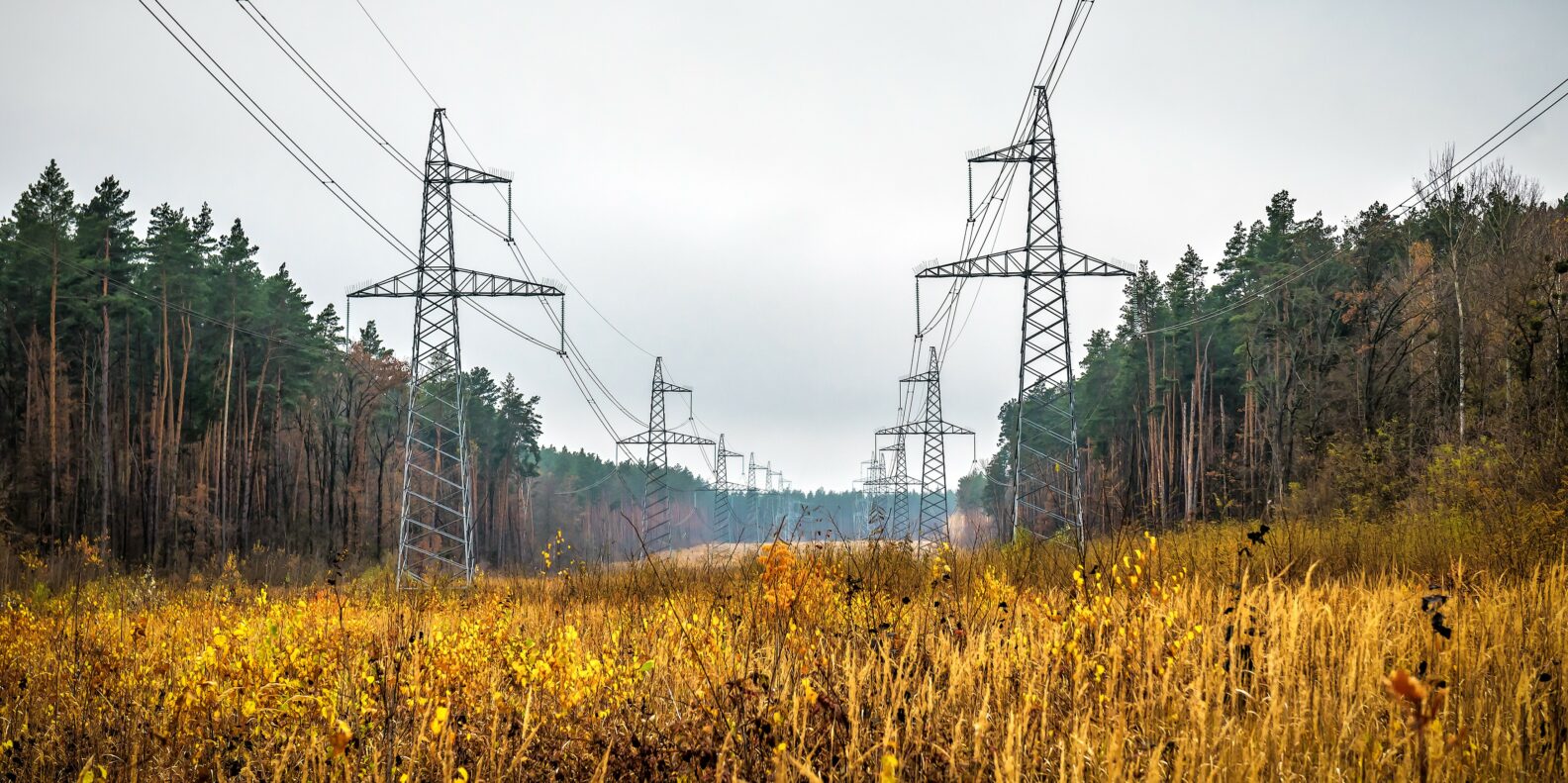
The Nordic energy system depends heavily on cross-border infrastructure, including subsea cables, pipelines and offshore installations. Recent incidents in the Baltic Sea have demonstrated that these assets can be vulnerable to disruption, creating risks that extend across national borders.
Supply chains remain a weak point
The report highlights the challenges associated with replacing critical equipment following major disruptions. Lead times for large transformers can reach 12 to 18 months, while certain high-voltage transmission components can take even longer to replace.
The Arctic and Baltic regions face different security challenges
While the Baltic Sea contains a dense concentration of interconnected infrastructure in a relatively confined area, the Arctic is characterised by vast distances, limited monitoring and slower response times. The report argues that both regions require greater strategic attention within Nordic energy cooperation.
“The Nordic energy system remains one of the most resilient in the world. But resilience cannot be taken for granted. We need mechanisms that allow countries to anticipate risks, share information and act together when disruptions occur,” says Mikael Wigell.
A shared Nordic responsibility
The report argues that the Nordic countries’ deep energy integration is a major strength. At the same time, it means that disruptions in one part of the region can quickly have consequences elsewhere.
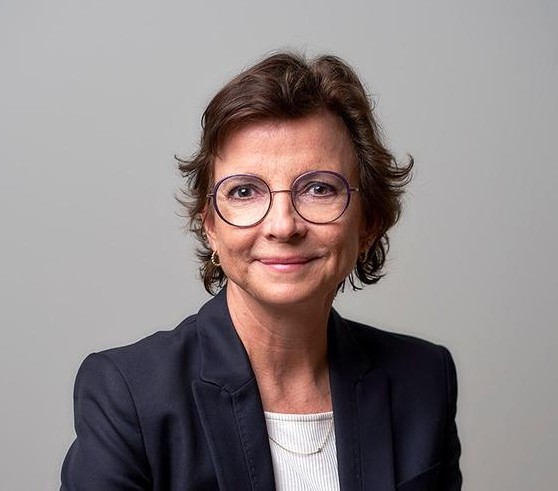
“The Nordic region benefits from robust energy systems and a long tradition of cooperation built on trust. We now need to take the next step in strengthening our shared energy security. Enhanced energy cooperation will bolster both our resilience and the green transition,” says Karen Ellemann, Secretary General of the Nordic Council of Ministers.
The report supports the Nordic Council of Ministers’ ambition to place energy security at the centre of future regional cooperation and highlights the need for a more coordinated approach to preparedness, resilience and crisis management.
From recommendations to operational preparedness
The report presents 25 recommendations for strengthening Nordic cooperation over both the short and medium term. Key proposals include developing a common Nordic energy security strategy, strengthening the protection of critical infrastructure, improving coordination regarding major new electricity consumers, enhancing preparedness for supply disruptions and increasing strategic attention to the Arctic and North Atlantic.
The central conclusion, however, is that the Nordic countries already possess many of the institutions and partnerships needed to strengthen energy security. The challenge is not a lack of cooperation, but the need to translate existing political commitments into operational preparedness through common procedures, information-sharing mechanisms and coordinated crisis response.
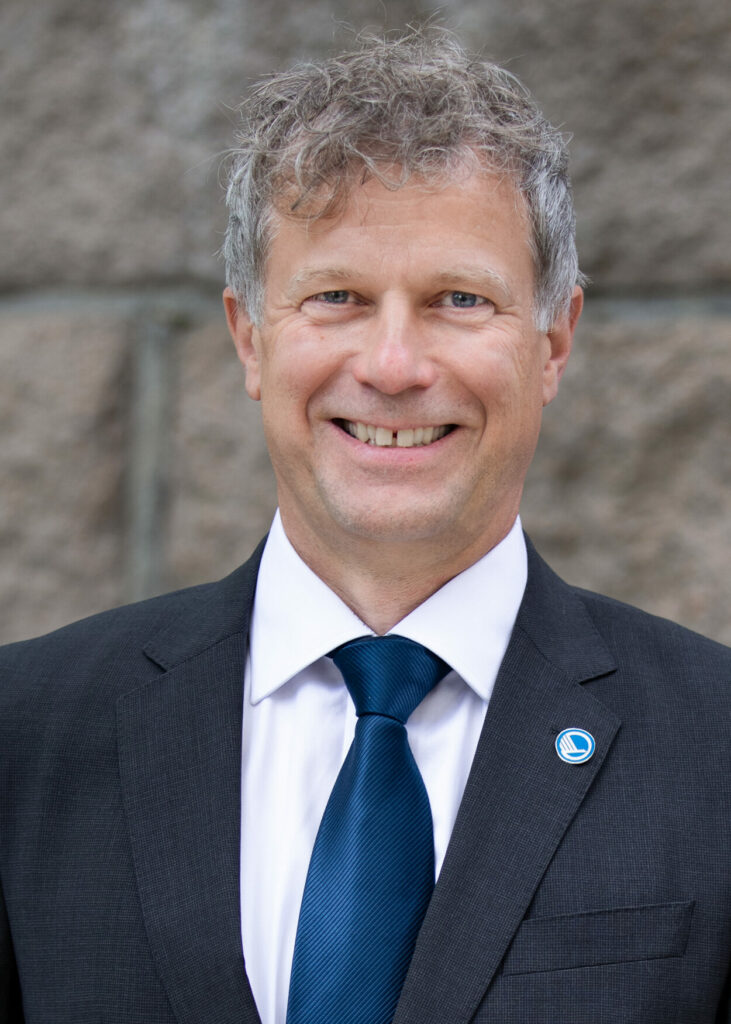
“The Nordic countries are highly interconnected and dependent on one another’s energy systems. Together we are strong, but we need to strengthen our ability to prepare for, respond to and recover from crises together in order to become even stronger,” says Klaus Skytte, Chief Executive Officer of Nordic Energy Research.
The report argues that the next phase of Nordic energy cooperation should focus on ensuring that shared ambitions can be translated into coordinated action when it matters most.
Read the report
Energy Security in the Nordics is available here.