Nordic Energy Research welcomes new board leadership for 2026
As Denmark and the Faroe Islands assume the presidency of the Nordic Council of Ministers in 2026, Nordic Energy Research (NER) welcomes new board leadership. Claus Meineche steps in as…
As Denmark and the Faroe Islands assume the presidency of the Nordic Council of Ministers in 2026, Nordic Energy Research (NER) welcomes new board leadership. Claus Meineche steps in as chair, with Kári M. Mortensen serving as co-chair. In this interview, they share their views on the role, the priorities that will shape the year ahead, and how they aim to strengthen Nordic energy cooperation.
What are your main priorities this year?
Claus Meineche says his overarching ambition is to help the Board and the institution continue their work “in a constructive and collaborative manner”. He describes the role primarily as one of facilitation – creating the conditions for good dialogue, shared understanding and a strong sense of common purpose across the Nordic region.
“Building on the solid foundation already in place will be essential,” he notes, adding that supporting both the Board and the Secretariat in their day‑to‑day tasks will be a priority. He also emphasises the importance of aligning NER’s work with national priorities and broader Nordic cooperation. “By listening carefully to different perspectives and experiences, I hope to help create the basis for well‑informed decisions that strengthen Nordic collaboration on energy research and innovation.”
Kári M. Mortensen echoes that view. “I fully agree with Claus’s description,” he says. “And I am pleased that the Faroe Islands, for the first time, will have the opportunity to help shape and implement meaningful objectives within Nordic energy cooperation. I look forward to contributing positively to that process.”
Which themes will define NER’s work in 2026?
For Claus Meineche, energy security will remain one of the defining issues of 2026. “Energy security and security of supply will continue to be central themes,” he says, noting that NER can play an important role as a forum for sharing knowledge and perspectives across the Nordic region. Rather than pushing for single, uniform solutions, he hopes to encourage “open dialogue and joint learning on resilience, preparedness and system robustness”.
He also highlights the importance of continued cooperation on building a resilient and green Nordic region. Research, analysis and long‑term system development are areas where NER can make a meaningful contribution, he argues. Researcher mobility is another priority: “Strong personal and institutional networks are often the foundation for lasting cooperation.”
A key task for the coming year will be supporting the development of the new Nordic Energy Solution (NES) funding scheme. “NER can play a constructive role in establishing a strong instrument that builds on Nordic strengths,” he says.
Kári M. Mortensen adds a perspective from the more remote parts of the region. “Beyond what Claus highlights, I hope to bring attention to the particular challenges faced by Nordic regions that are not connected to the common electricity grid,” he says. “Our shared efforts should help support and develop robust and sustainable green solutions tailored to the needs of these areas.”
Where do you see NER’s strengths – and where can it improve?
Meineche and Mortensen both point to the long tradition of trust and cooperation among the Nordic countries as one of NER’s greatest assets. “NER benefits from a strong tradition of trust and cooperation, as well as highly competent research and innovation environments,” Meineche says. The organisation’s ability to convene stakeholders across borders – and to provide a neutral space for dialogue between policy, research and funding communities – is, in his view, a defining strength.
At the same time, both see room for refinement. “Continued attention to clarity of priorities, communication of results and alignment with policy needs will be important,” Meineche notes. Small but steady improvements in coordination and visibility, he believes, can help ensure that NER’s work is widely understood and used.
What do you hope to have achieved by year’s end?
Looking ahead, Meineche hopes that NER will be recognised as “a trusted and constructive partner in Nordic energy cooperation”. If the organisation can contribute to a stronger shared understanding of energy security and resilience, he considers that a meaningful achievement.
He also hopes to see progress in researcher mobility and cross‑border collaboration, supported by strong networks and joint activities. Another milestone would be the successful establishment of the NES funding scheme, developed in close dialogue with the Nordic countries and relevant stakeholders. “My aspiration is that 2026 will be experienced as a year of continuity, cooperation and progress,” he says, “where NER continues to support a resilient, sustainable and well‑functioning Nordic energy system.”
Mortensen adds that he wants to ensure active participation from the Faroe Islands and other isolated regions. “I will work to ensure that the Faroe Islands – along with other isolated regions in the Nordic area – become active participants in the new NES scheme,” he says. He also hopes to see collaborations emerge where local solutions help strengthen sustainability, integration and Nordic innovation.
Fact Box: The Interviewees
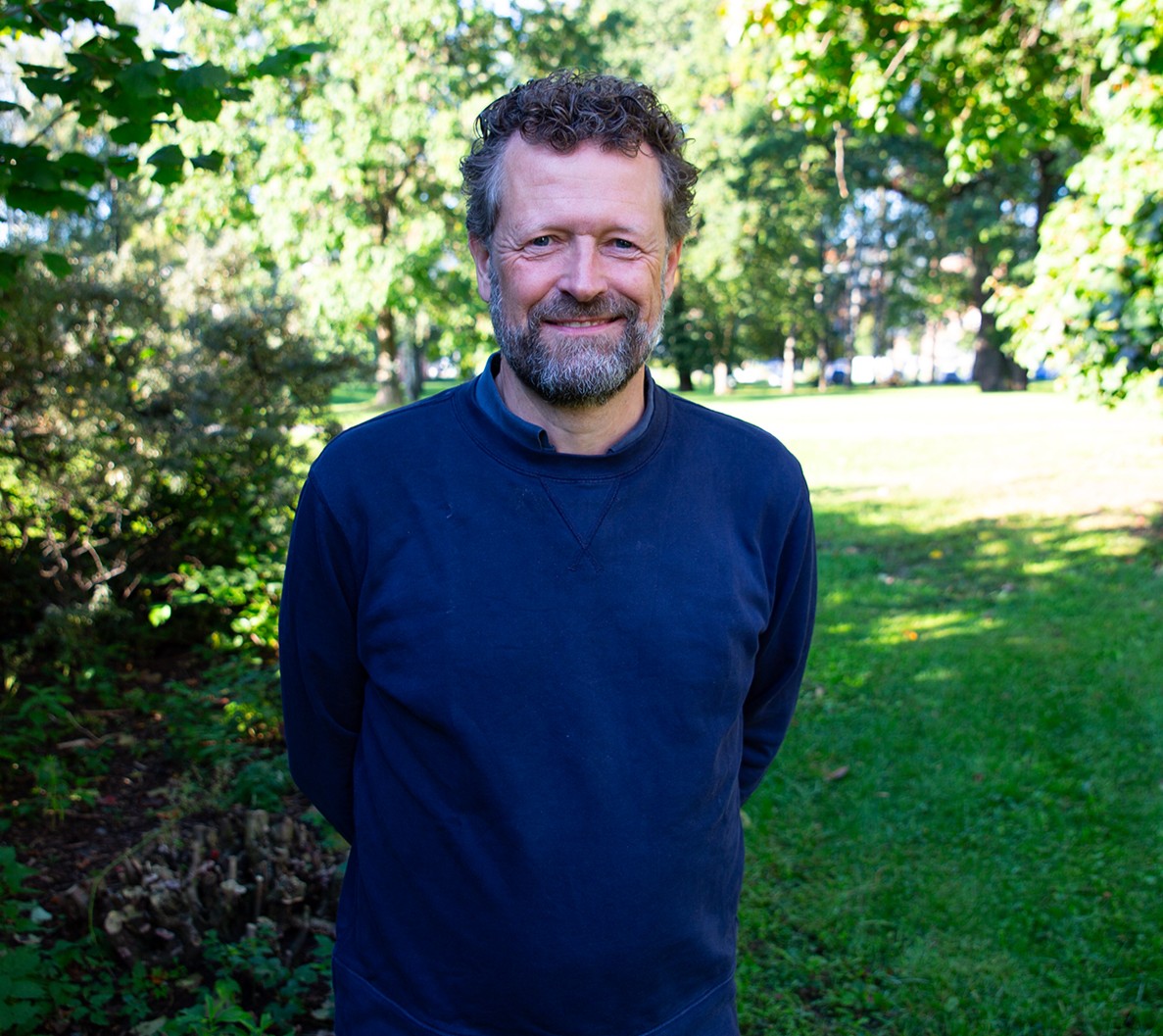 Claus Meineche
Role in 2026: Chair of Nordic Energy Research (NER)
Nationality: Denmark
Background:
- Director of Research and Innovation at the Danish Energy Agency and heads the Secretariat of the Energy Technology Development and Demonstration Programme (EUDP) and the office for Danish support for EU funding
- Responsible for major national programmes supporting the development and demonstration of green energy technologies
- Extensive experience at the intersection of policy, research, and industry
- Member of the NER Board since 2020
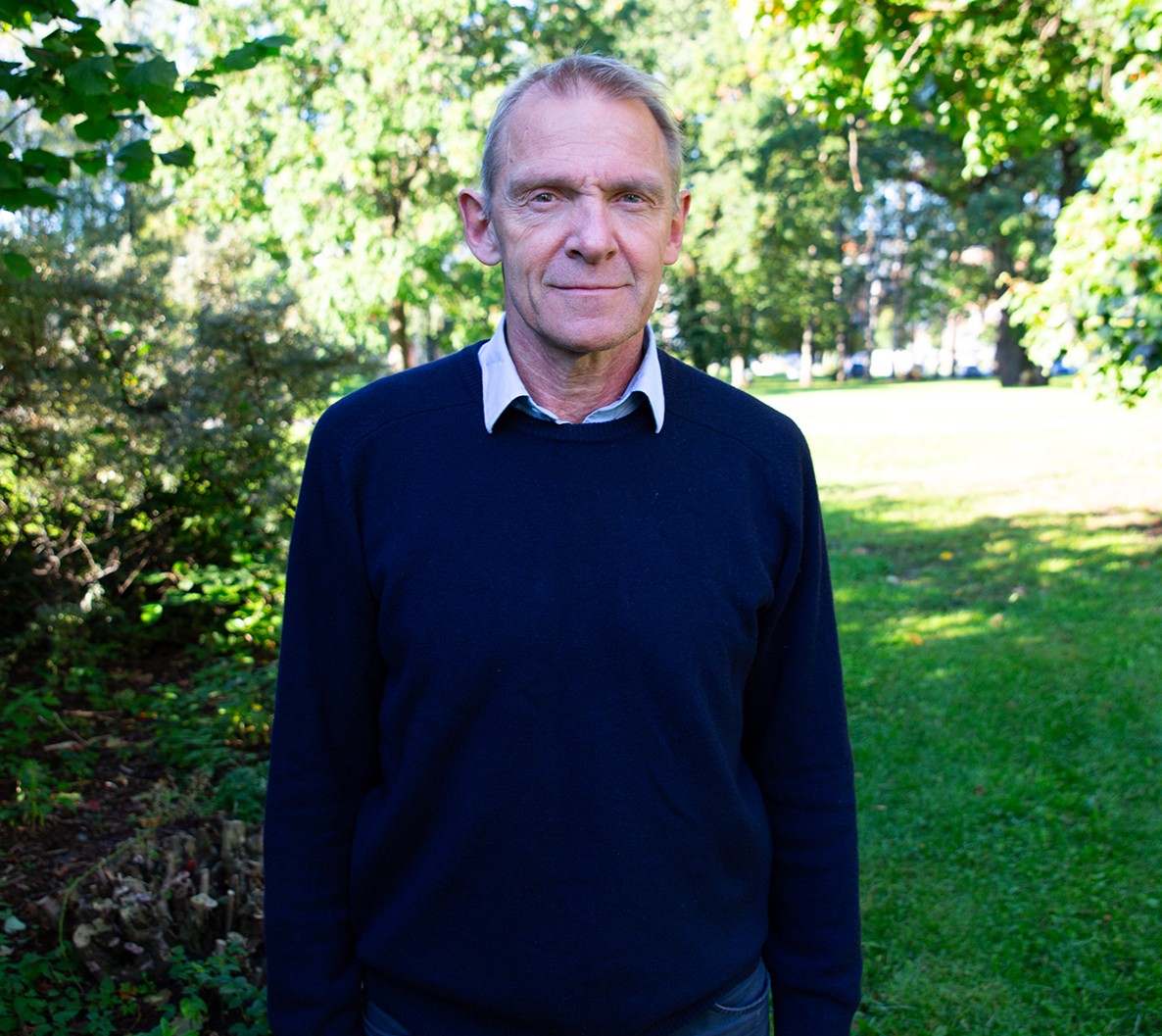 Kári M. Mortensen
Role in 2026: Co-Chair of Nordic Energy Research (NER)
Nationality: Faroe Islands
Background:
- Senior energy expert at the Environment Agency of the Faroe Islands (Umhvørvisstovan)
- Head of the agency’s energy department for the last nine years
- Central figure in the Faroese green transition and national energy planning
- Member of the NER Board since the Faroe Islands gained independent representation in 2022
The Danish and Faroese presidency programme
Denmark and the Faroe Islands together hold the presidency of the Nordic Council of Ministers in 2026. Below you can read the full presidency programme with priorities.