Strengthening public support on the path to Nordic climate neutrality
The Nordic region shares a clear vision: to become the world’s most sustainable and integrated region. To fulfill this vision, a clear and committed transition to sustainable energy is essential…
The Nordic region shares a clear vision: to become the world’s most sustainable and integrated region. To fulfill this vision, a clear and committed transition to sustainable energy is essential. Yet such a transformation inevitably brings changes that touch people’s daily lives. Building trust and securing active engagement from citizens is therefore essential; without it, the path to national climate targets and renewable energy goals is at risk.
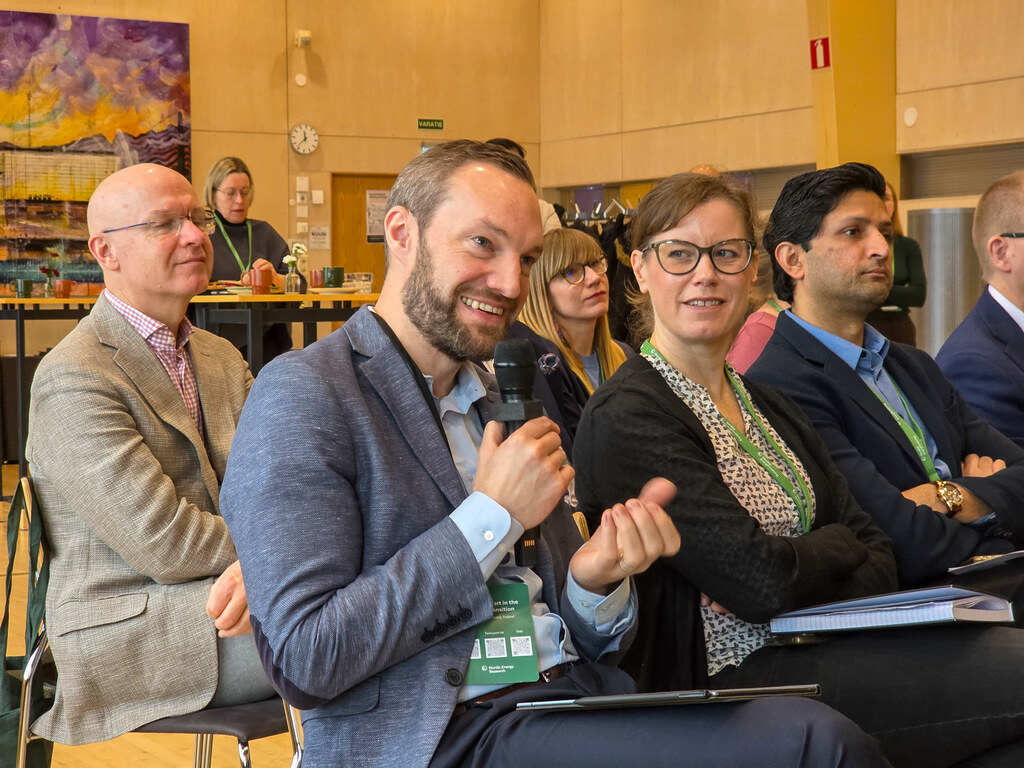
Recognising this challenge, Nordic Energy Research brought stakeholders together to explore how public support can be strengthened. The conference Public Support in the Energy Transition, held in Lahti, Finland, at the beginning of December, was a step towards shaping that way forward.
-
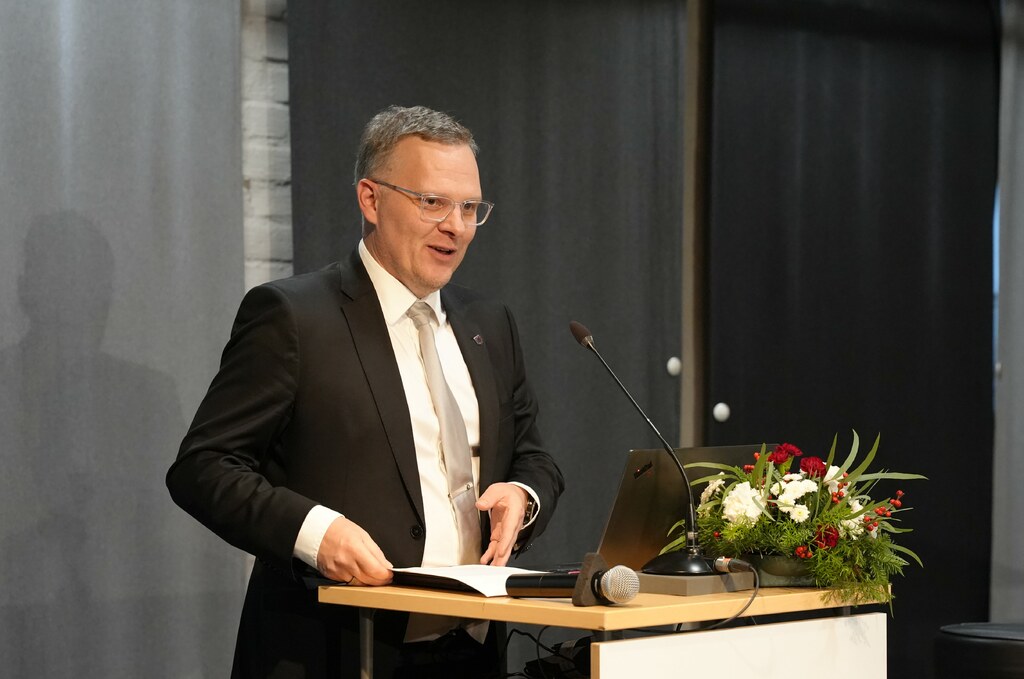
- Niko Kyynäräinen, Mayor, City of Lahti.
-
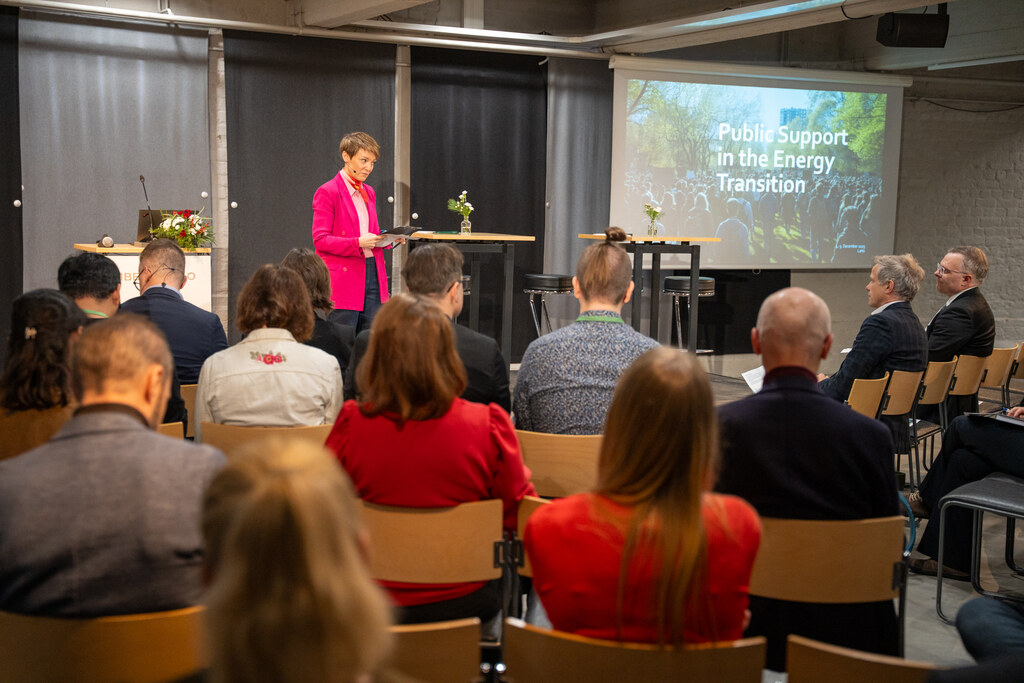
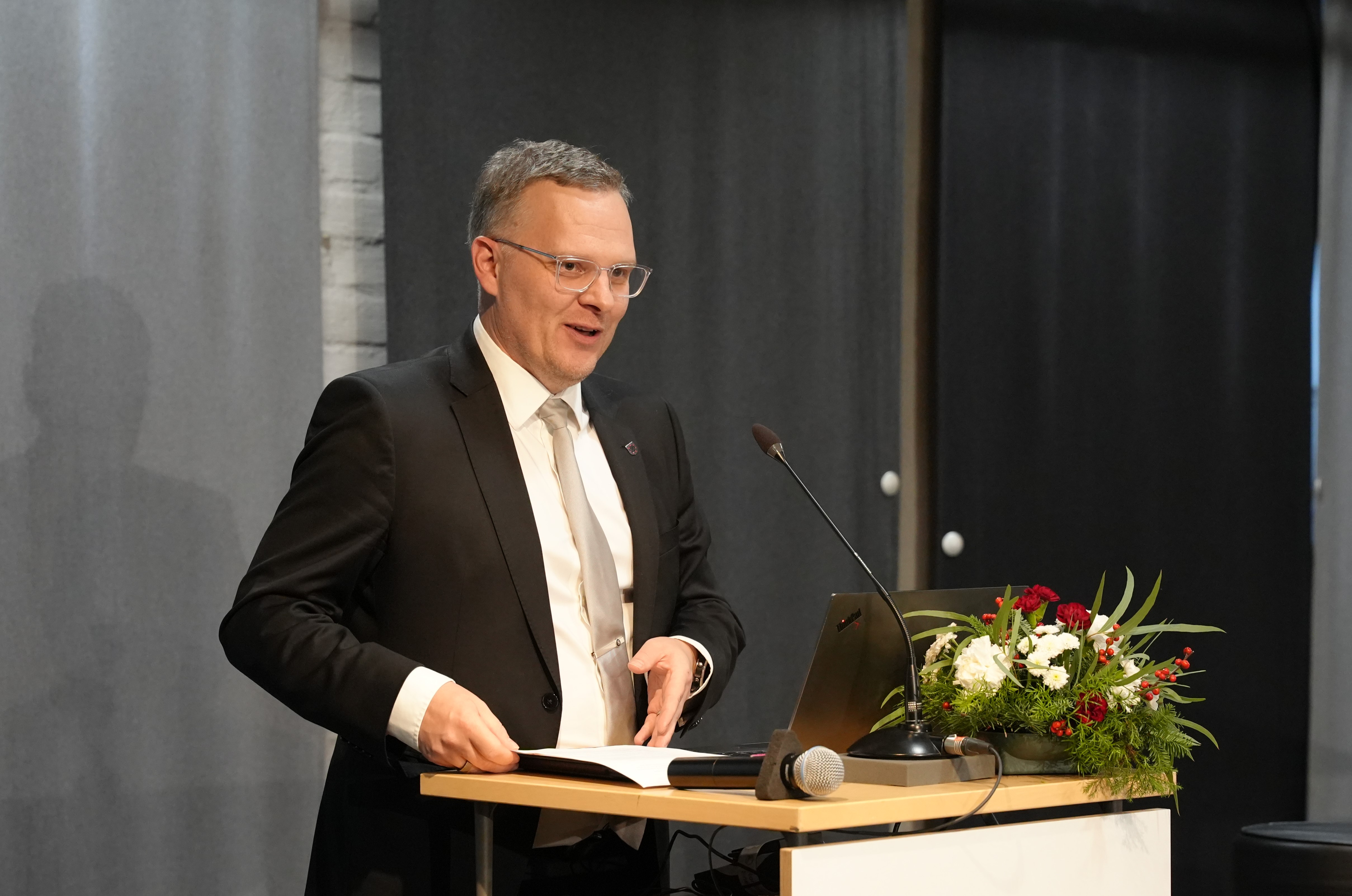
- Katri Makkonen, Moderator.
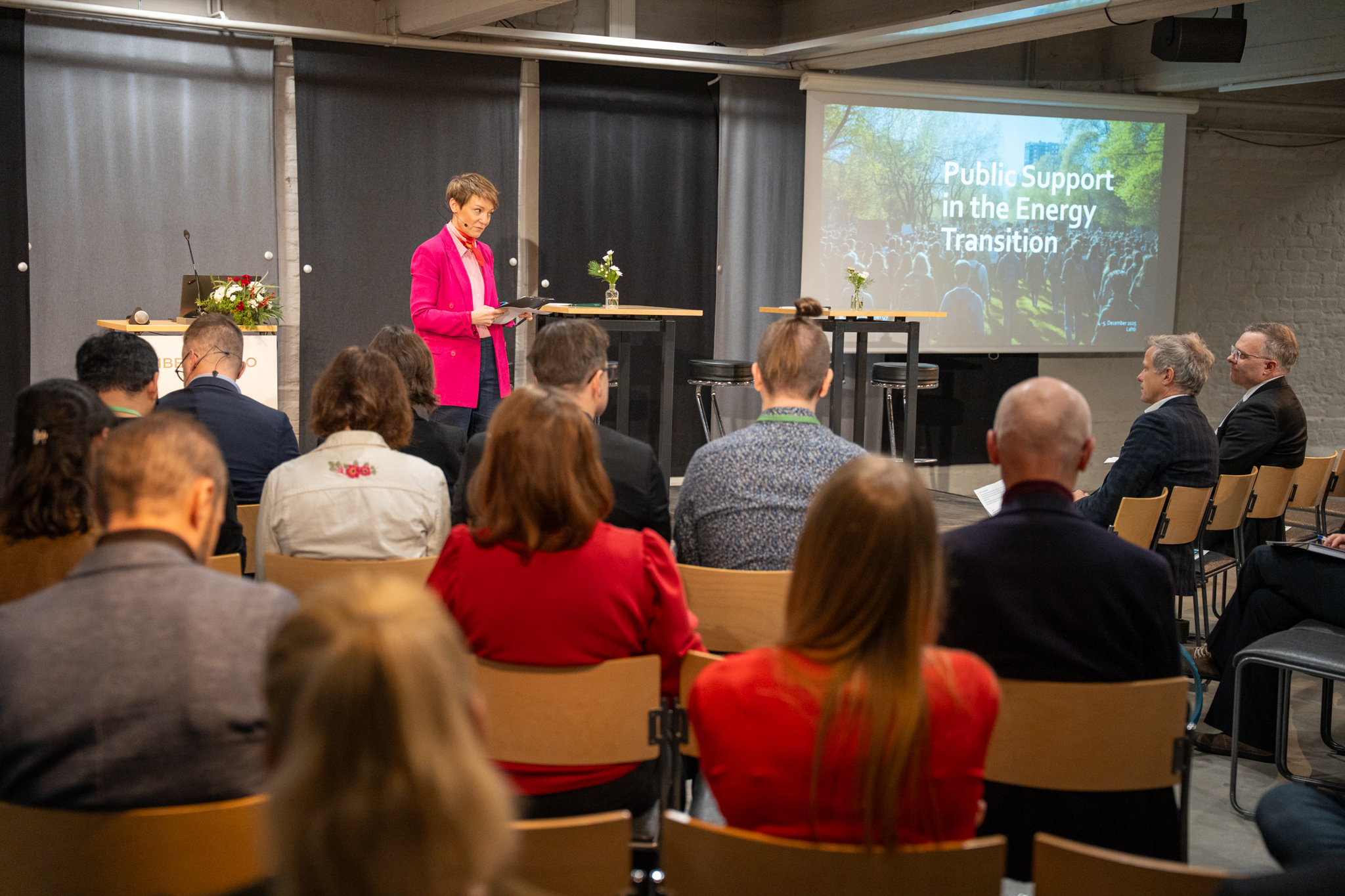
The event took a locally rooted starting point when Mayor of Lahti Niko Kyynäräinen gave a welcome speech to the almost 70 participants. Outside the window of the conference room in Sibelius Hall lay Lake Vesijärvi, whose restoration in the 1970s was the starting point for Lahti becoming a Green Capital in 2021.
”Cleaning up the badly polluted lake created a foundation for the environmental expertise and research in Lahti. Today, our work continues through close collaboration and shared responsibility between universities, industry, businesses, and citizens,” said Kyynäräinen.
Lahti’s goal is to become the first climate-neutral major city in Finland by 2028. The original target was set to 2025, but based on updated calculations, it will be reached three years later. Kyynäräinen does not see the delay as a backlash but rather as transparency in a complex process.
“Challenges remain, especially in transport, and we need more electrification. Solutions to these challenges will affect the people of Lahti, which is why public support is a must. And thanks to investments made by the city, it’s easy for our residents to live a carbon-neutral life,” according to Kyynäräinen.
A connected Nordic energy future, through grid strength and dialogue
From the local level, the horizon then broadened to the national level, with Mikko Heikkilä, Head of Public Affairs and Communications, Fingrid Oyj, and Anni Mikkonen, CEO, Renewables Finland, presenting Finnish perspectives on networks, energy security, and increasing electricity consumption. Like Kyynäräinen, both Heikkilä and Mikkonen also addressed the importance of investment and electrification.
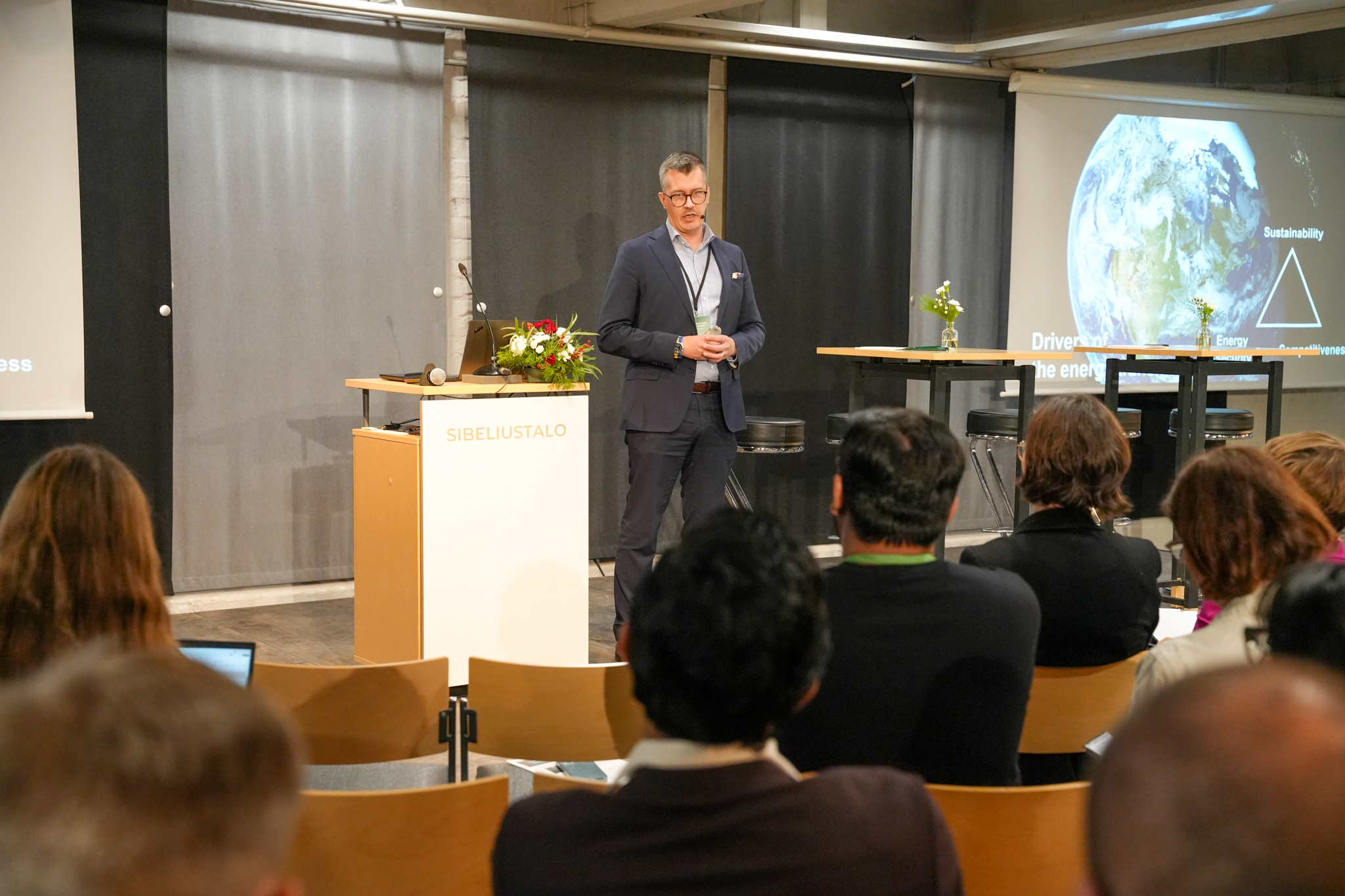
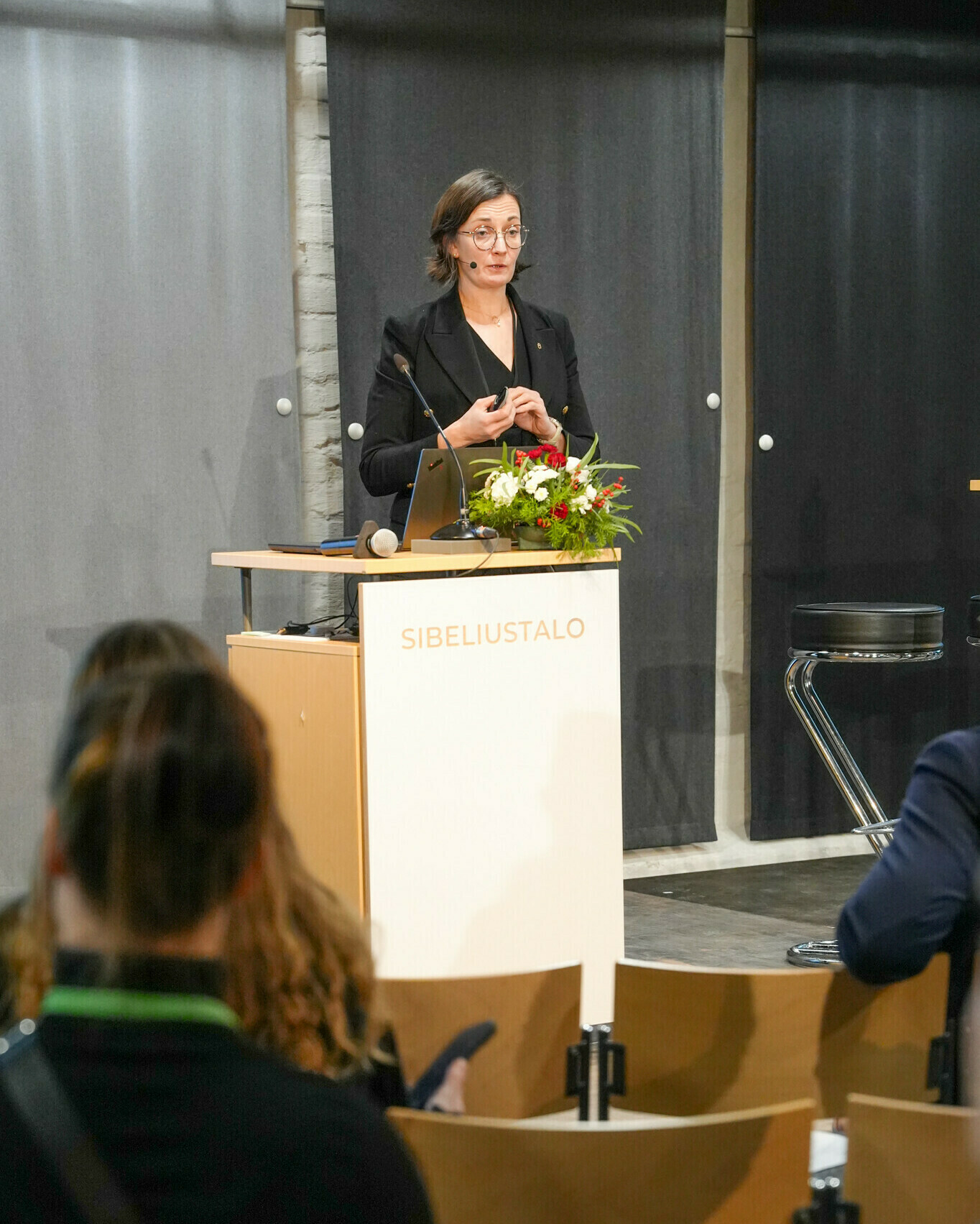
Mikko Heikkilä, Head of Public Affairs and Communications, Fingrid Oyj.
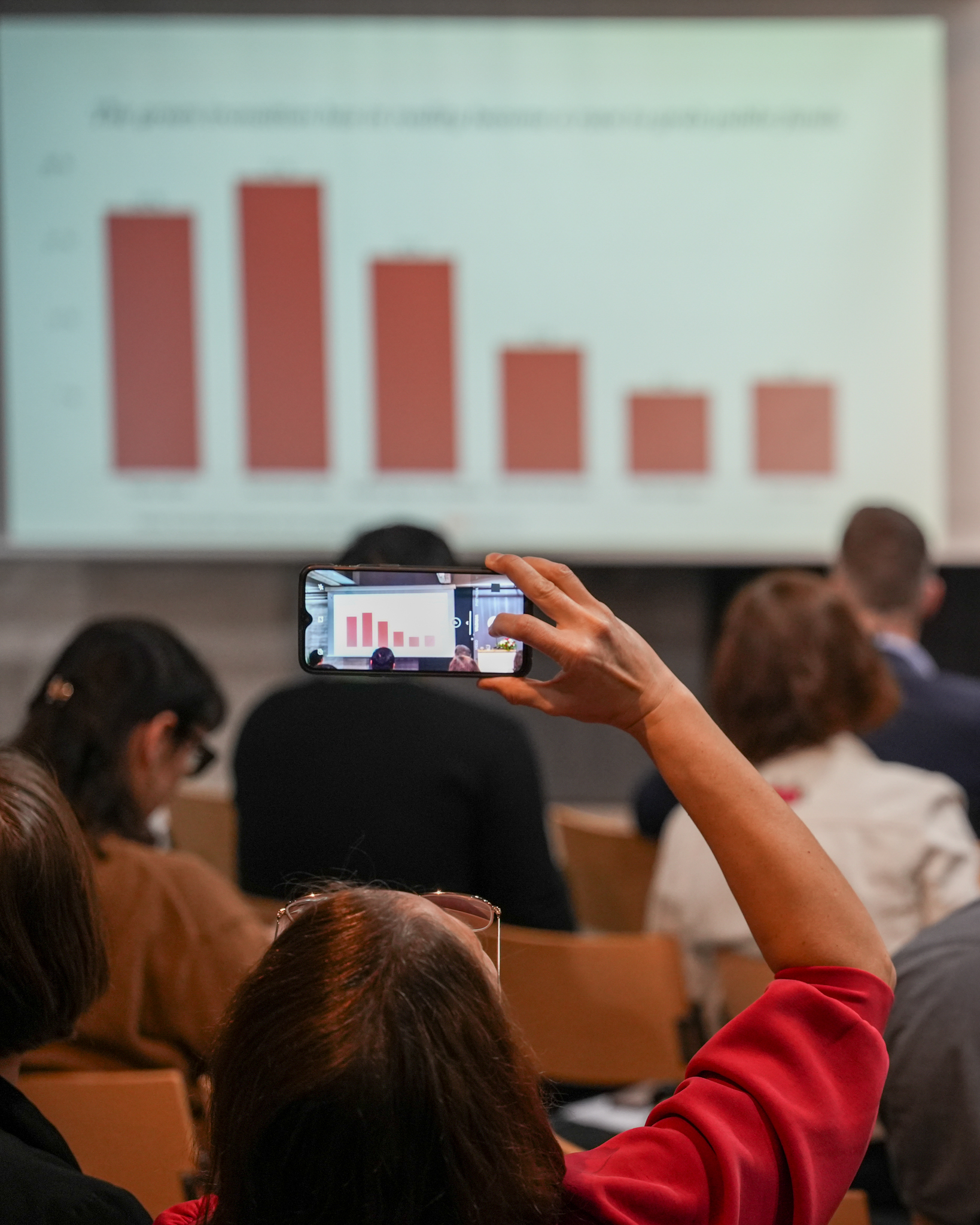
“Nordic electricity consumption is expected to double by 2040 as electrification drives the energy transition. This increases society’s reliance on secure and competitive power systems. Meeting this demand requires a stronger grid, with Nordic transmission system operators planning record-high investments exceeding EUR 30 billion by the mid-2030s,” said Heikkilä.
“Electrification is the Nordic way towards energy security. This increases consumption but also makes us more resistant. The increased electricity consumption in Finland will be covered by wind and solar power,” said Mikkonen.
-
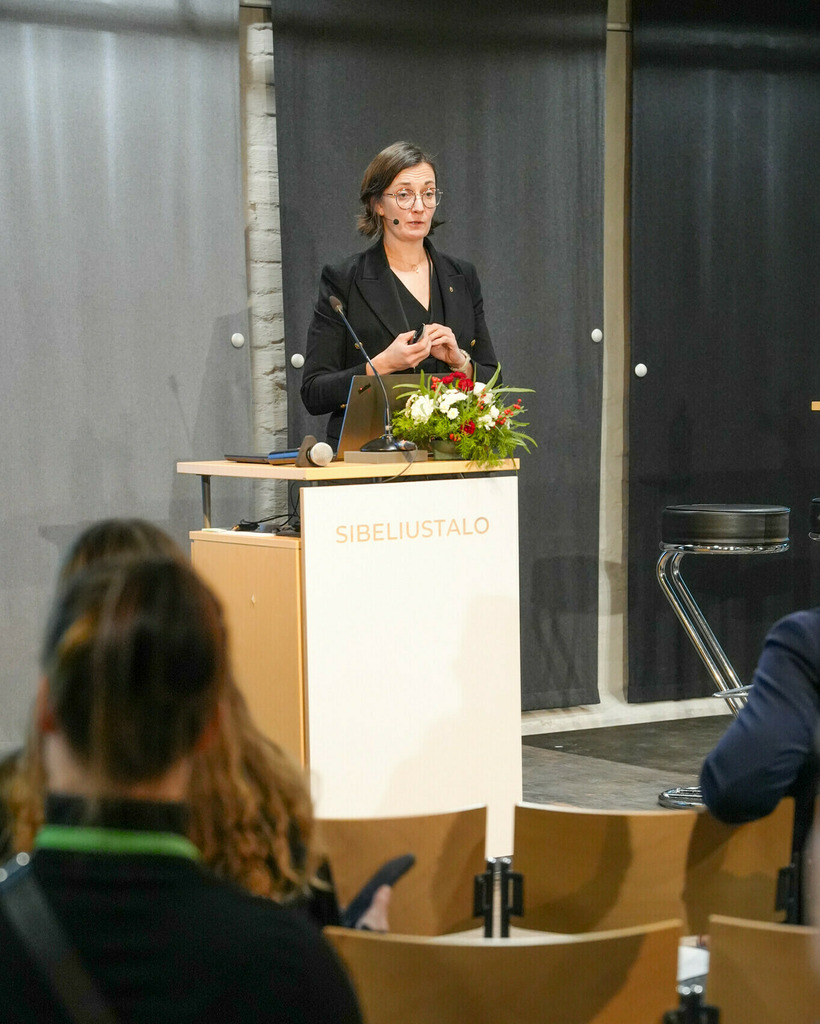
- Anni Mikkonen, CEO, Renewables Finland.
According to Heikkilä, Nordic countries have probably the best prerequisites in the world to succeed in the energy transition. But what are the success factors?
“The interconnected Nordic grid is a foundation for the transition and for the future success story. By doing this together, the transition is both faster and less costly,” said Heikkilä. “It’s clear that we as small Nordic countries cannot compete with the US or China – the only way we can manage in the long run is to cooperate with each other.”
For this cooperation to work, there must be transparent dialogue with Nordic citizens.
“We need to communicate better – not merely top-down information sharing, but actual communication. There will always be debate, and you cannot win everyone over – expressing different opinions is part of democracy – but we should always actually listen to the local communities,” said Mikkola.
The first day of the conference ended with a panel discussion examining the future of the energy transition in Finland and Norway, with a focus on commonalities and contrasts between the two countries. A key distinction noted was Finland’s strong municipal authority over planning and resource use, in contrast to Norway’s more centralised system, which has contributed to tensions surrounding wind power projects. The conversation also highlighted the growing influence of defense and security narratives across the Nordic countries and their effect on shaping public opinion.
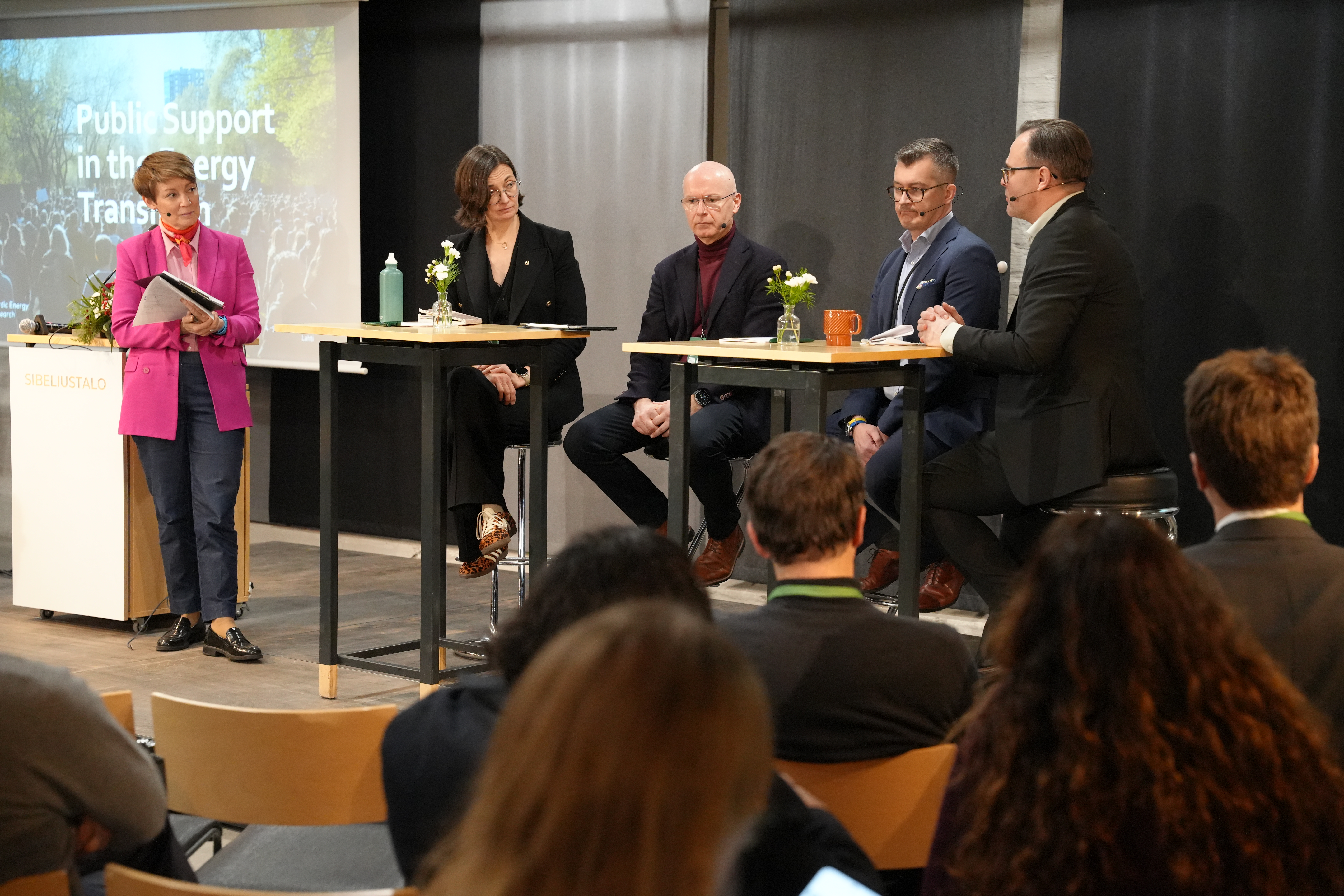
Panel debate with moderator Katri Makkonen, Anni Mikkonen, CEO, Renewables Finland, Dag Inge Fjeld, Assistant Professor, Kristiania University College, Mikko Heikkilä, Head of Public Affairs and Communications, Fingrid Oyj, and Øistein Schmidt Galaaen, Director Production and Sustainability, Renewables Norway.
Building a shared language for the green transition
While the first day of the conference focused on Finland and Norway, the second day also featured presentations from Sweden and Denmark.
Daniel Urey, co-founder and head of LABLAB, began with a keynote emphasising that we need to have the same knowledge base when we talk about energy transition, landscapes, and democratic infrastructure.
”I don’t have any solutions – dialogue is the best solution to our democracy. But for that dialogue to work, we need a common lexicon to know what we talk about before talking about it. In that way, even though we disagree, we’re talking about the same thing, within the same context, from the same point of view,” said Urey.
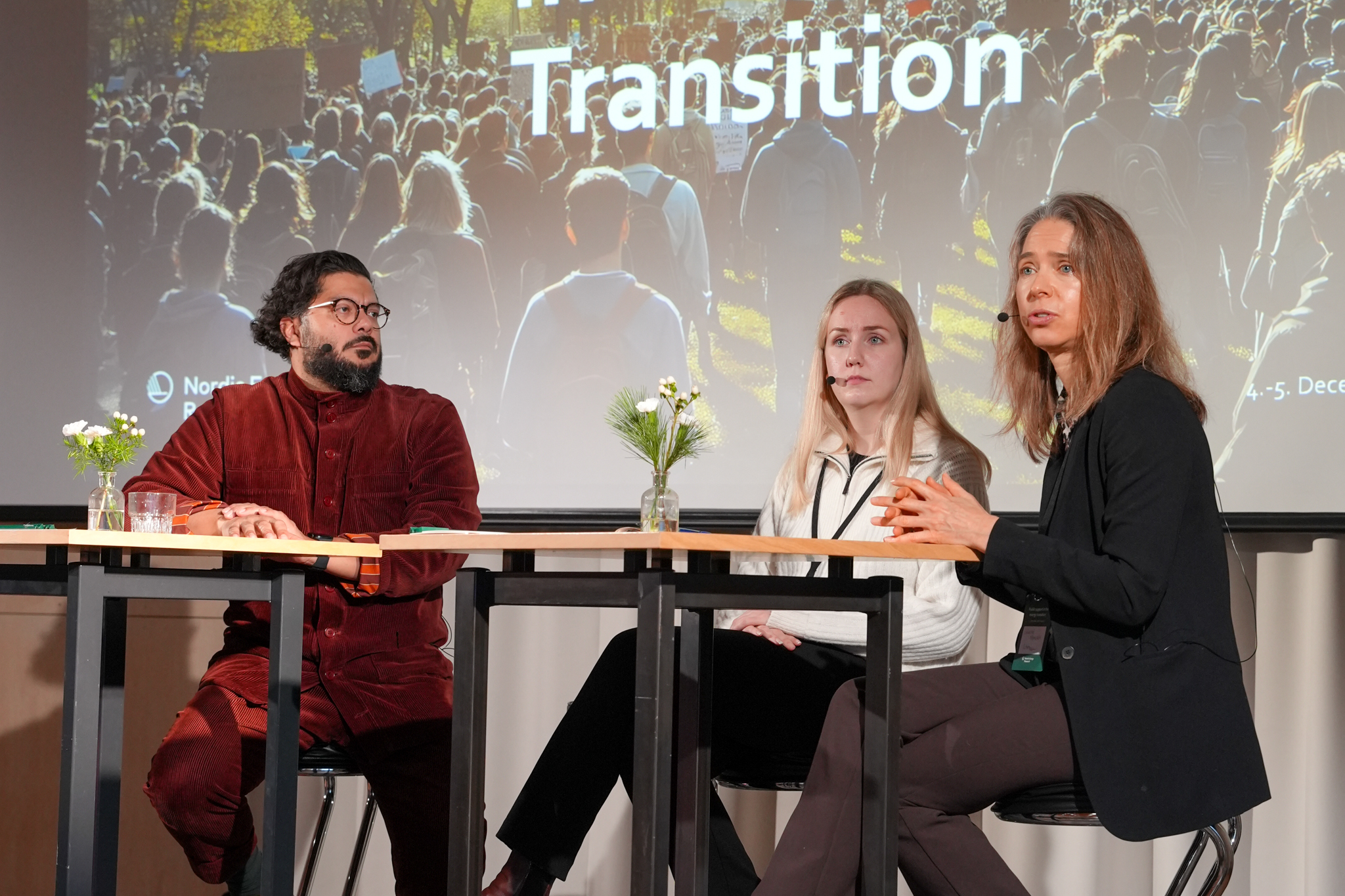
Panel debate with Daniel Urey, Co-founder and Head, LABLAB, Marte Skogen, PhD candidate, University of Bergen, and Christine Lunde Rasmussen, Global Head of Societal Impact & Policy, Rambøll.
Urey also flipped the perspective in terms of getting citizens onboard the green transition. Instead of calling it public support in the energy transition, he pointed out the benefit of framing the energy transition as supporting dialogue and democratic infrastructure.
Christine Lunde Rasmussen, Global Head of Societal Impact & Policy, Rambøll, also highlighted the importance of conceptual understanding, particularly when it comes to the notion of value.
“We need to double-click on value for local citizens and appreciate that values may differ from the neighbour, the municipal resident, and broader society. Value can, for example, be defined as structural interests or as shared identity and culture and needs to be balanced,” said Lunde Rasmussen.
She brought forth three strategies on how to win public support, including 1) informed engagement, taking locals’ concerns seriously and talking to them rather than about them; 2) collaboration and co-creation through early citizen involvement, as community knowledge improves the plan; and 3) local value as an end goal, because local ownership creates pride in renewable energy initiatives.
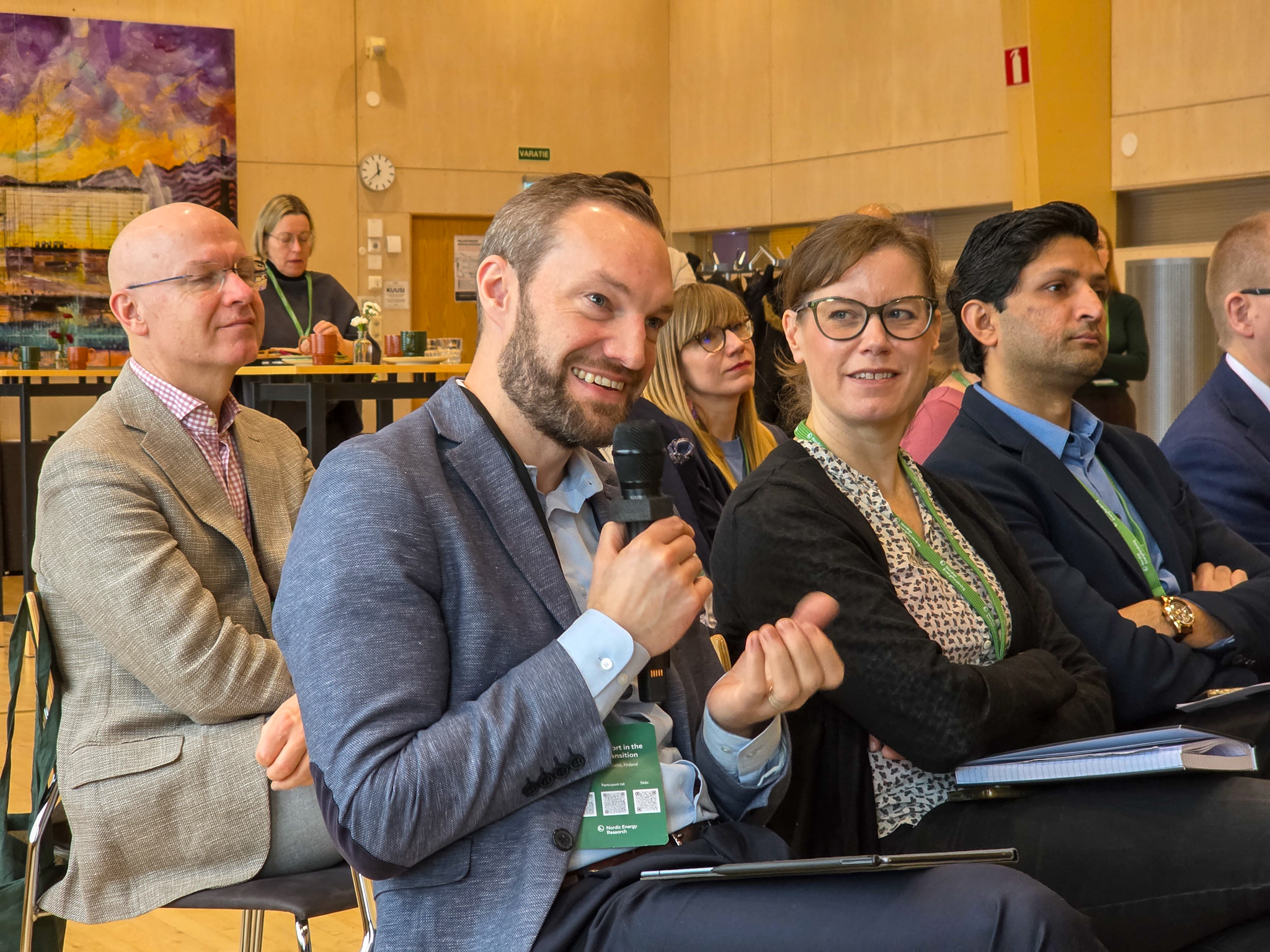
Anders Tonhammar Lööf, Regional Director, Sympower.
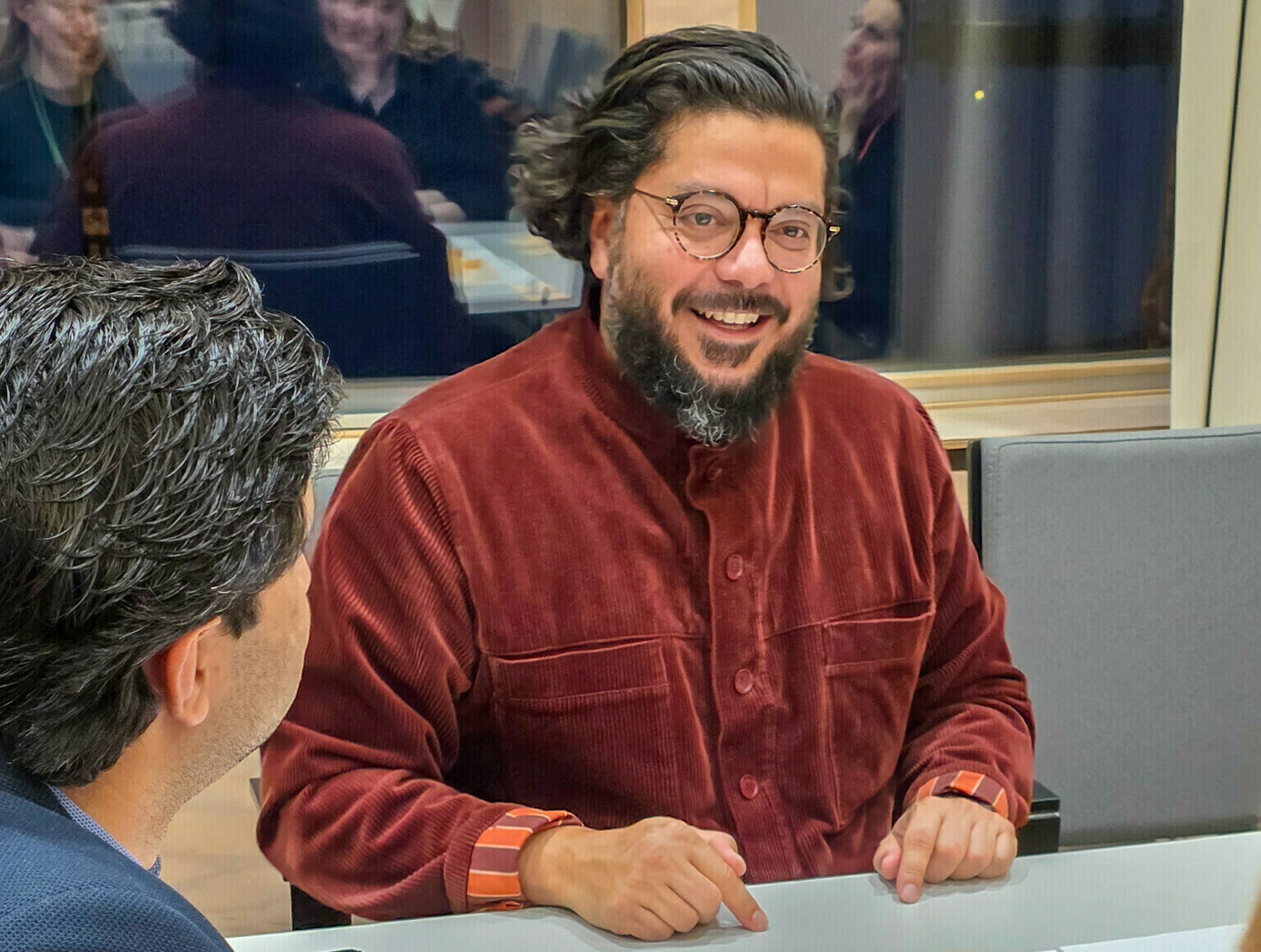
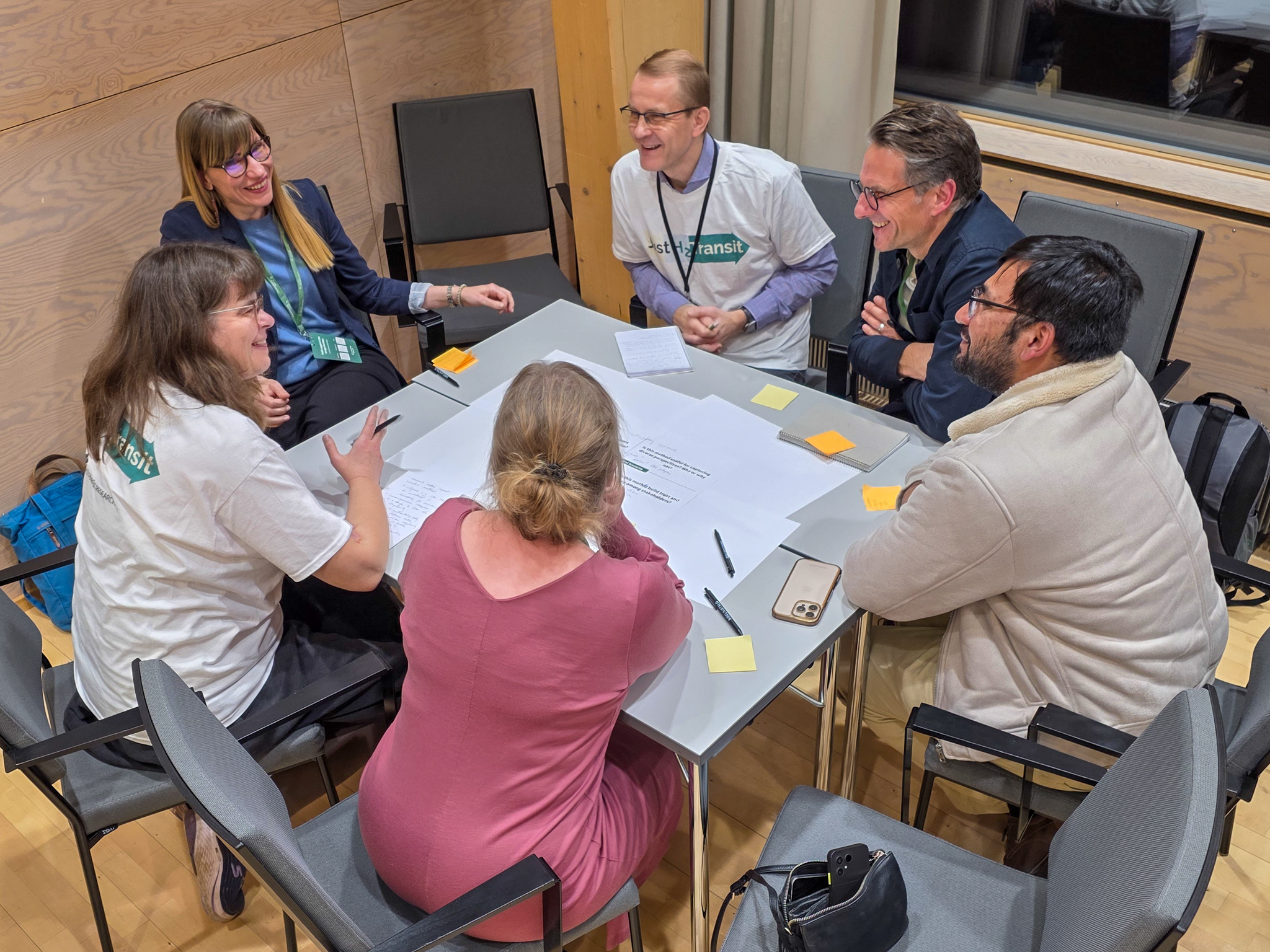
The conference concluded with a workshop arranged by Minna Näsman, mediator, Akordi, and her team. This final session explored how different research methods can build trust and legitimacy among stakeholders and the methods’ potential in capturing diverse perspectives, among other questions. The results from the workshop as well as the outcome from the conference discussions will be shared as soon as we’ve compiled the input.
We would like to thank all conference participants for actively engaging in the conversations on how we can reach climate targets together. For those who missed the conference or would like to revisit the discussions, a recording of the event will be published on Nordic Energy Research’s website and LinkedIn.
Access the conferenc presentations
Day 1
- Keynote: Public support for the energy transition in a new geopolitical era
Mikko Heikkilä, Head of Public Affairs and Communications, Fingrid Oyj, Finland - Renewable energy and the future of Nordic energy security
Anni Mikkonen, CEO, Renewables Finland - Climate skepticism and social opposition to the green transition
Dag Inge Fjeld, Assistant Professor, Kristiania University College, Norway - Public trust in the Nordic electricity market
Øistein Schmidt Galaaen, Director Production and Sustainability, Renewables Norway
.
.
.
.
Day 2
- Keynote: Not here! On energy transition, landscapes and the sense of locality
Daniel Urey, Co-founder and Head, LABLAB, Sweden - The case of Norwegian windpower
Marte Skogen, PhD candidate, University of Bergen, Norway - The Danish case: How to win (or lose) social acceptance in the green transition
Christine Lunde Rasmussen, Global Head of Societal Impact & Policy, Rambøll Management Consulting, Denmark - Citizen involvement through energy citizenship, mini publics, and beyond: Concepts, methods, and Finnish case studies
Antti Silvast, Associate Professor, LUT University, Finland - Empowering customers to be flexible
Anders Tonhammar Lööf, Regional Director, Sympower, Sweden