
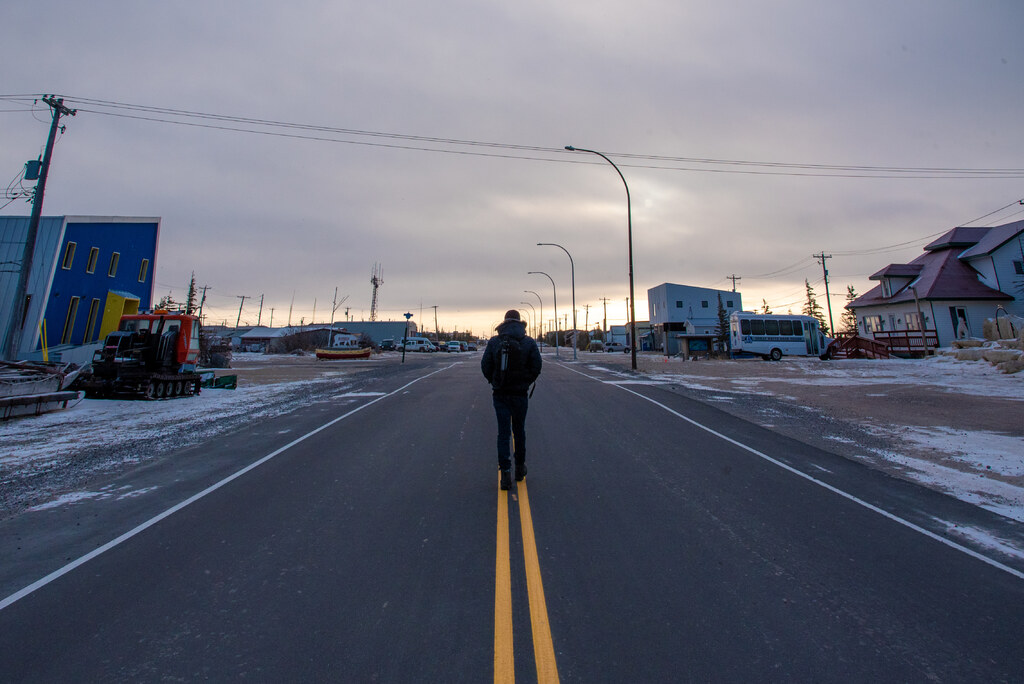
Three Arctic solutions for increased energy security
Arctic communities have long mastered the art of building societies that withstand adversity, adapt to uncertainty, and thrive amidst disruption. Resilience and preparedness in the High North are not optional; they…
Arctic communities have long mastered the art of building societies that withstand adversity, adapt to uncertainty, and thrive amidst disruption. Resilience and preparedness in the High North are not optional; they are essential, shaped over decades of navigating extreme conditions and rapid change.
What, then, can we learn from our northernmost regions? And how might these approaches inspire greater resilience in other parts of the world facing emerging and complex challenges?
To explore the potential of Arctic case studies for cross-sector and regional learning and collaboration, Nordic Energy Research hosted a side event at last week’s Arctic Frontiers conference, together with Tromsø municipality and Troms County.
During the event, three concrete Arctic solutions were presented, each showcasing regional leadership in resilience and energy security.
Tapping into the potential of solar energy in the Arctic
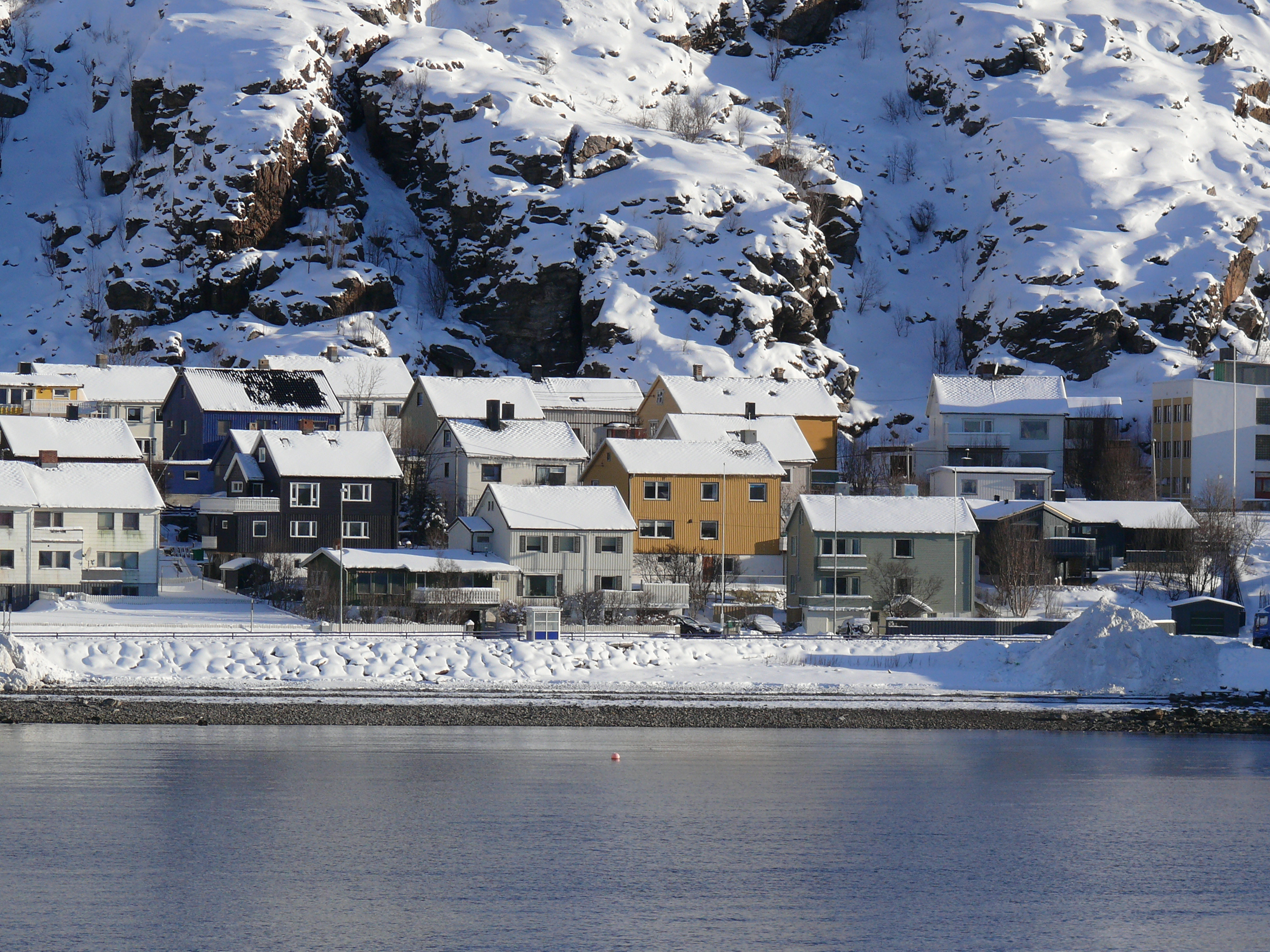
It is easy to assume that solar energy is ineffective in a region known for its cold, dark winters. Yet, as Clara Good, associate professor at UiT – The Arctic University of Norway, highlighted, the other half of the year offers long, bright days – and solar cells perform better in cold conditions. “A cold sunny day with snow on the ground is a really good condition for solar energy,” she explained.
UiT has therefore launched the Northern Homes project, integrating solar technologies into the refurbishment of special types of postwar houses found throughout Northern Norway. “During the Second World War, 90 percent of buildings and infrastructure in large parts of Northern Norway were burned to the ground by occupying forces. In the following decades, the Norwegian government led a major reconstruction phase. In this period, 13,000 new homes were built, based on a limited number of preapproved designs,” Good noted.
These reconstruction houses continue to shape the built environment across many northern towns. However, built during a time of scarcity, they now require refurbishment and energy upgrades. Clara and her colleagues therefore want to find a solution that could make these reconstruction houses an integral part of building more sustainable communities in the North.
“With their simple, steep roofs, these houses are well suited for solar installations. If we find solutions that work technically, economically, and socially, solar could be viable for many of them.”
To date, low energy prices and an abundant power supply have given homeowners little incentive to consider energy-related refurbishments. This has created a cycle of barriers, including limited financial motivation, misconceptions about solar in the North, scarce local expertise, and few existing examples.
The UiT project addresses these challenges by working closely with homeowners, municipalities, and construction companies, providing hands-on learning that can serve as a best-practice model for energy-efficient, self-sufficient Northern homes.
Building thriving communities through sustainable energy systems
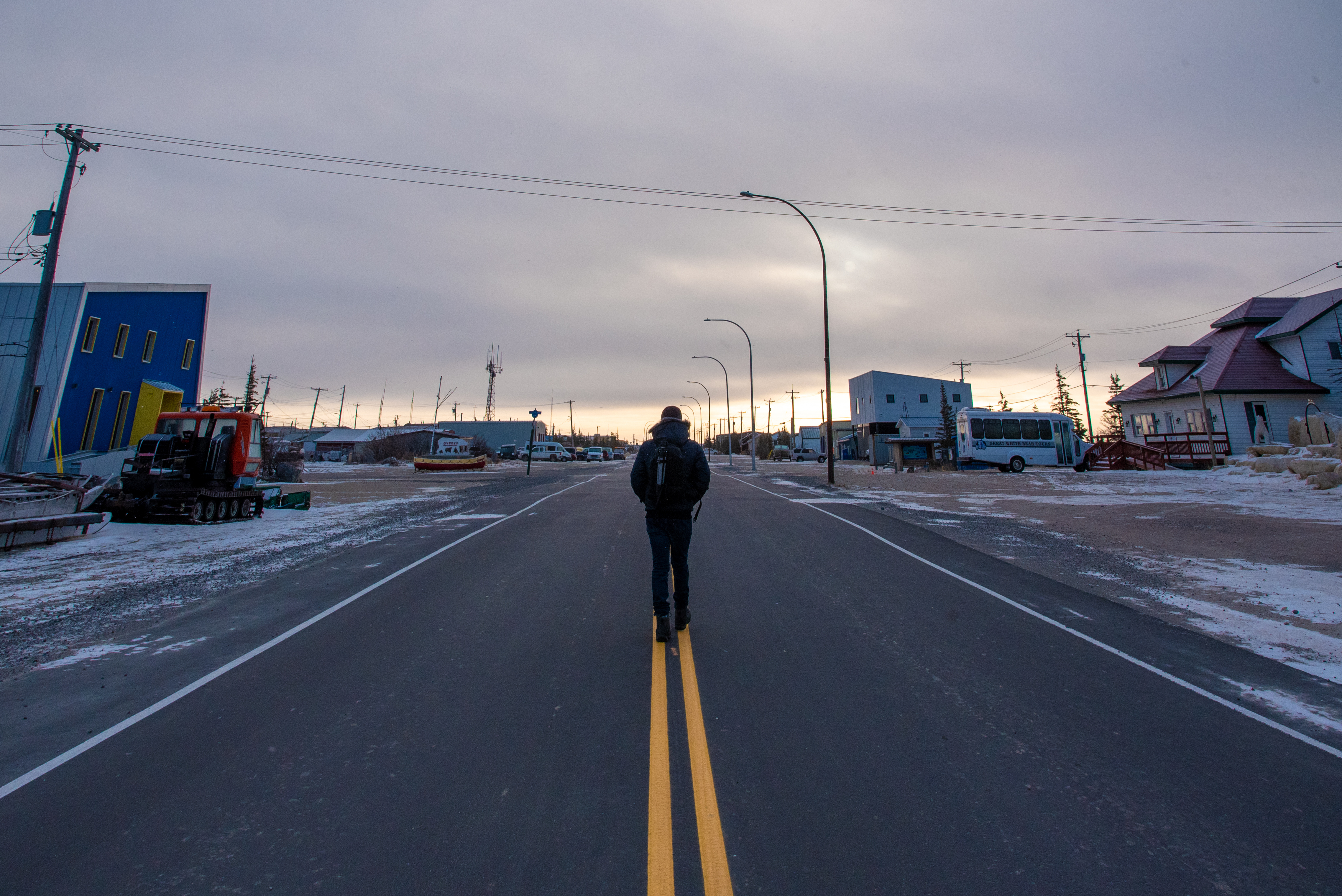
Building secure energy systems is not only about meeting immediate needs; it’s also about generating long-term, sustainable economic opportunities, argued Greg Poelzer, professor at the University of Saskatchewan. He introduced the concept of gross community product, underscoring that energy interventions must be part of a holistic approach to sustainable development that accounts for both market and nonmarket values.
In the CASES project, Poelzer and colleagues overlay data on energy transmission and distribution with economic information, giving communities a comprehensive basis for informed decision-making.
Another key enabler of sustainable and secure Arctic energy systems, Poelzer emphasised, is collaboration across communities and borders. “Cooperation allows us to overcome capacity challenges. Many communities have limited fiscal and human resources. By learning from one another, they can avoid repeating mistakes and build on best practices, which saves time and resources. Cooperation, in addition, reduces transaction costs, as templates for contracts and other resources can be shared.”
Poelzer also highlighted the growing opportunities for collaboration between the Nordic Region and Canada. By working from shared values, the regions can pool strengths, achieve economies of scale, and build thriving communities supported by sustainable energy systems.
Clearing ice from power lines while strengthening national security
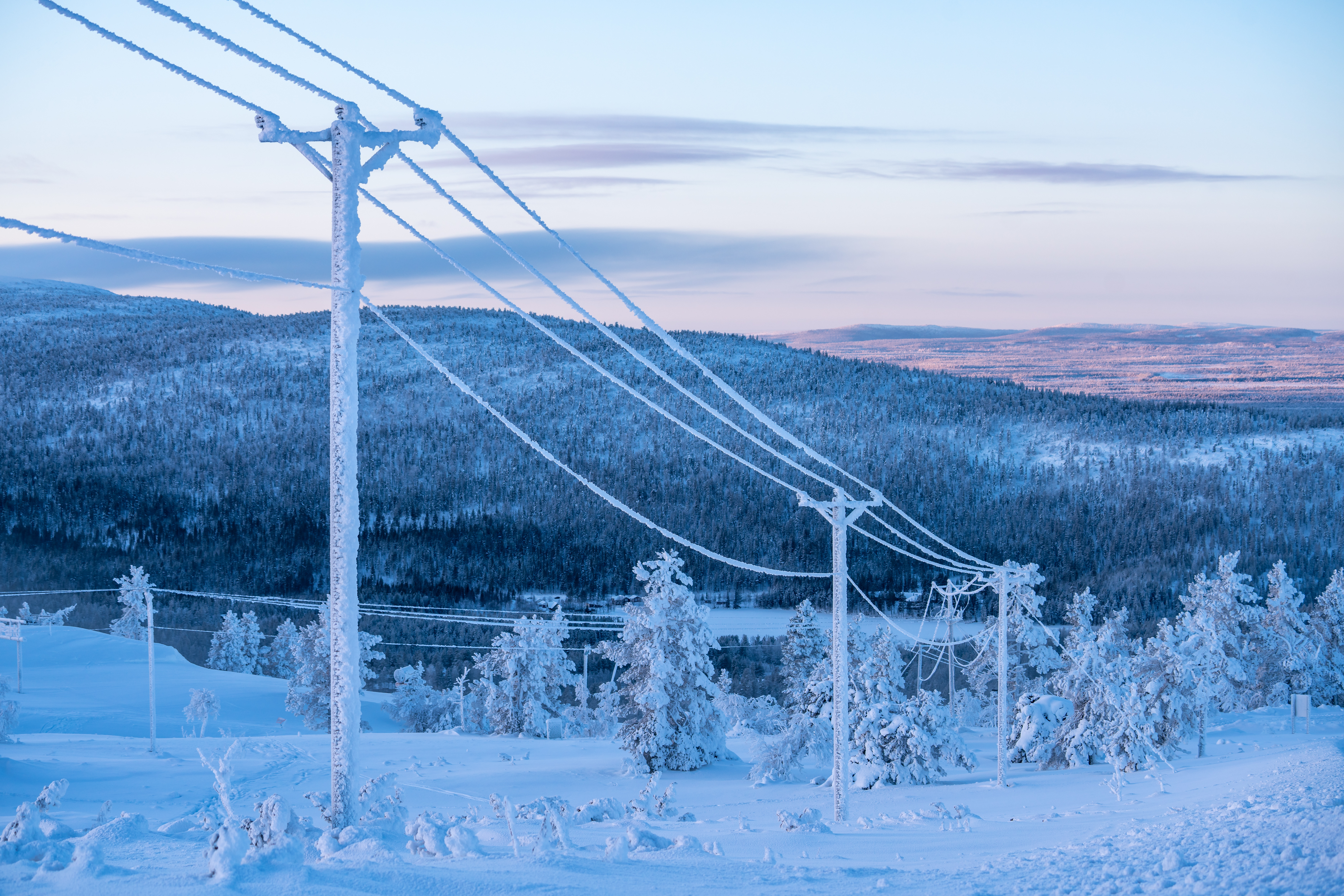
Snow and ice accumulation can damage power lines and, in severe cases, disrupt electricity transmission. Manually clearing snow across the wide landscapes of Northern Norway and other Arctic regions, however, would be an enormous task.
Magnus Fors Haigen, co-founder and Chief Marketing Officer at AVJU, and his colleagues therefore began exploring technological solutions for the electrical power industry. Along the way, they realised that the extensive network of aboveground power lines, while challenging for winter maintenance, could also be an asset. “What if,” they wondered, “the unit could be equipped with cameras and sensors that use the grid as a platform to deliver real-time data?”
Today, Avju’s units collect information on a wide range of conditions – from wildfires to sabotage – thereby not only protecting power lines but also supplying critical data for national security.