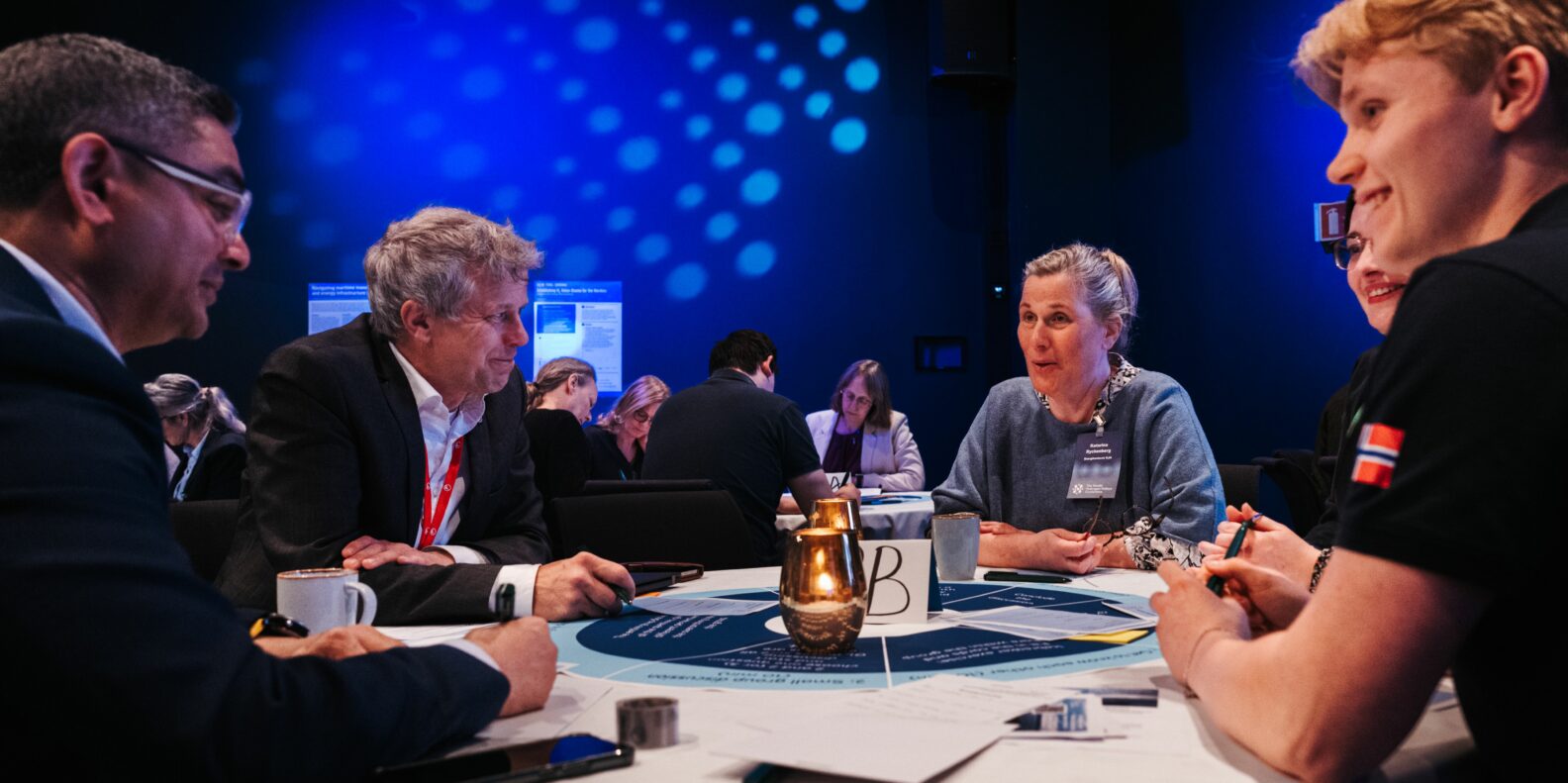
Nordic hydrogen stakeholders gathered in Trondheim in April to discuss how to accelerate hydrogen valleys and integrated value chains across the region. A joint workshop involving participants from research, industry and policy identified possible priorities and pathways towards 2030 and 2040.
The Nordic countries have many of the prerequisites needed to take a leading role in hydrogen development, including access to renewable energy, strong research environments, innovative industries, and a long tradition of regional collaboration. As hydrogen continues to gain importance in the green transition, the conference focused on how these strengths can be translated into large-scale implementation and stronger Nordic cooperation.
Building on insights from the five projects in the Nordic Hydrogen Valleys as Energy Hubs programme, the workshop explored opportunities for Nordic collaboration and future hydrogen development.
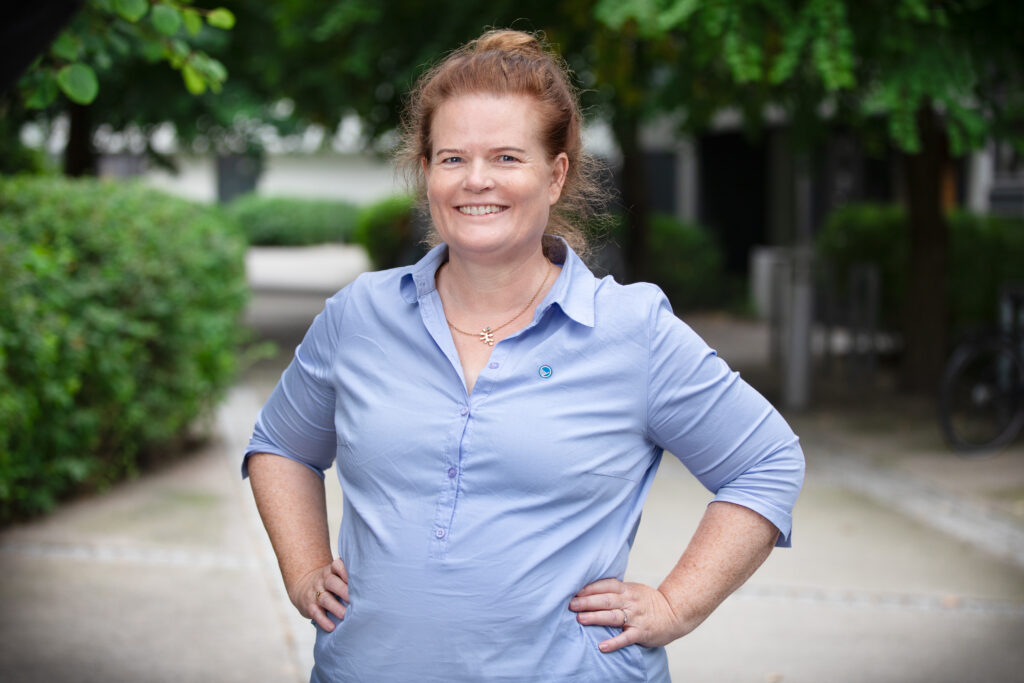
“The workshop setup facilitated dialogue across research and business fields, and this in turn led to identification of shared priorities,” says Lise Nielson, Senior Advisor at Nordic Energy Research
Key messages and pathways forward
The following section summarises the key messages and proposed pathways forward identified by participants in the workshop. It is based on a summary written by Ruth Astrid L. Sæter of Sæter media, who moderated the session.
The workshop discussions resulted in a broad range of recommendations and reflections on how to accelerate the development of hydrogen valleys and integrated hydrogen value chains across the Nordics. While each group focused on different themes, several common priorities emerged throughout the discussions.
Clear and stable political support
Hydrogen must remain high on the Nordic political agenda, and clear, predictable, and stable political and financial support is needed to accelerate development. Suggestions from the groups included:
- that the Nordic Council of Ministers agree on a hydrogen strategy
- aligning strategies from the national to the Nordic level
- agreeing on a Nordic declaration on hydrogen and hydrogen-based fuels
- establishing common funding mechanisms
- re-thinking transition motivation: energy security and energy resilience should be used as an argument to speed up the transition to alternative fuels
More collaboration and coordination
Collaboration and coordination are essential for establishing a viable hydrogen economy in the Nordics. Suggestions from the groups included:
- increasing information sharing between industry, universities and research institutes
- connecting individual projects more closely to broader strategies and implementation plans
- establishing stronger collaboration platforms and clearer action plans
- ensuring that both incentives and regulatory measures support development
Several groups also stressed that the Nordics have the capacity to lead the way internationally and serve as an example for other regions.
Safety considerations should be included from the start
The need for harmonised Nordic hydrogen safety standards and regulations was highlighted, with participants stressing that safety considerations must be integrated from day one. Suggestions from the groups included:
- establishing a joint work package on standards and safety across the research projects
- developing a Nordic standard for hydrogen safety
- creating a hydrogen steel standard
- establishing a Nordic database for materials testing and modelling
Large-scale hydrogen storage critical for flexibility
Large-scale hydrogen storage is essential for ensuring flexibility across the future energy system. Suggestions from the groups included:
- establishing common approaches across the Nordic countries
- developing shared regulations and standards, particularly for non-technical aspects of storage and infrastructure
Social acceptance and early engagement is essential
Social acceptance emerged as a recurring theme across nearly all discussion groups, despite only one group focusing specifically on the topic.
Participants highlighted the need for:
- long-term and predictable policies that reduce uncertainty
- early engagement, participation and consultation processes
- adapting planned activities based on stakeholder input
- stronger public information and awareness efforts
Several groups also stressed the importance of engaging specific target groups, including financial institutions, legal institutions, and policymakers.
Nordic hydrogen value chains are a major opportunity
There are strong opportunities for developing hydrogen value chains across the Nordics, but clear priorities and stronger market conditions will be needed to accelerate progress. Suggestions from the groups included:
- making hydrogen-based fuels more cost-competitive compared to fossil fuels
- reducing support for fossil fuels
- strengthening Nordic coordination on market off-take strategies
- supporting the market through mechanisms such as contracts for difference, including from a security-of-supply perspective
Maritime sector highlighted as a key opportunity
One group proposed a vision of establishing the world’s first major defossilised shipping corridor in the Nordic region. To support this ambition, participants suggested that the Nordic countries launch a large-scale green corridor project based on a contracts-for-difference (CfD) model.
At the same time, another group stressed that there is no single pathway for decarbonising the maritime sector and highlighted the need for coordinated progress across energy supply infrastructure, efficiency measures and regulation.
“Think national and act Nordic“
The Nordic countries are well positioned to develop hydrogen value chains, thanks to strong renewable energy resources, industrial and research competence, world-leading maritime expertise, and a long tradition of cross-border collaboration. Several groups also emphasised that Nordic cooperation creates added value by combining complementary strengths and accelerating learning across borders. “Think national and act Nordic” emerged as a recurring principle for future collaboration.
The workshop findings were also presented and summarised by Sigrid Lædre, Senior Research Scientist at SINTEF, during the second day of the conference. Read Lædre’s key takeaways here.
About the workshop
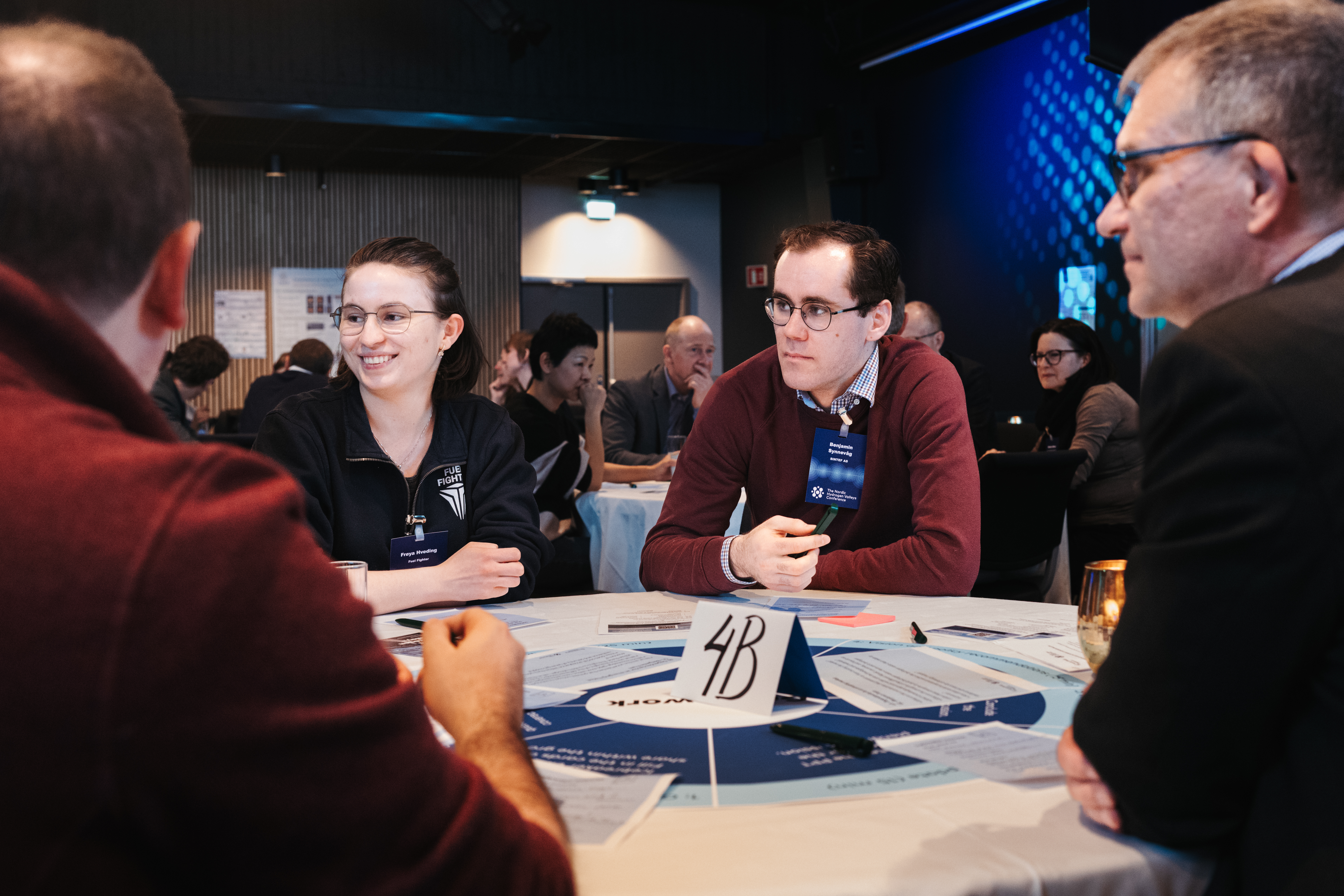
The workshop brought together around 80 conference participants from research, industry and policy to discuss the future development of the Nordic hydrogen ecosystem. Organised by Nordic Energy Research together with the five projects funded through the Nordic Hydrogen Valleys as Energy Hubs programme, the session focused on identifying concrete actions and policy recommendations needed to accelerate the development of Nordic hydrogen valleys towards 2030 and 2040.
Participants worked in 16 groups across seven thematic areas, including safety and regulation, market mechanisms, large-scale storage, social acceptance, and the maritime sector. Each group was led by representatives from the research projects and intentionally composed of participants from different sectors and disciplines to encourage cross-sector dialogue and new perspectives.
The discussions concluded with each group presenting key messages, future visions, and policy recommendations for their respective topic areas.