The Nordic region has the foundation to lead in hydrogen, but without faster coordination and clearer political direction, that position is at risk.
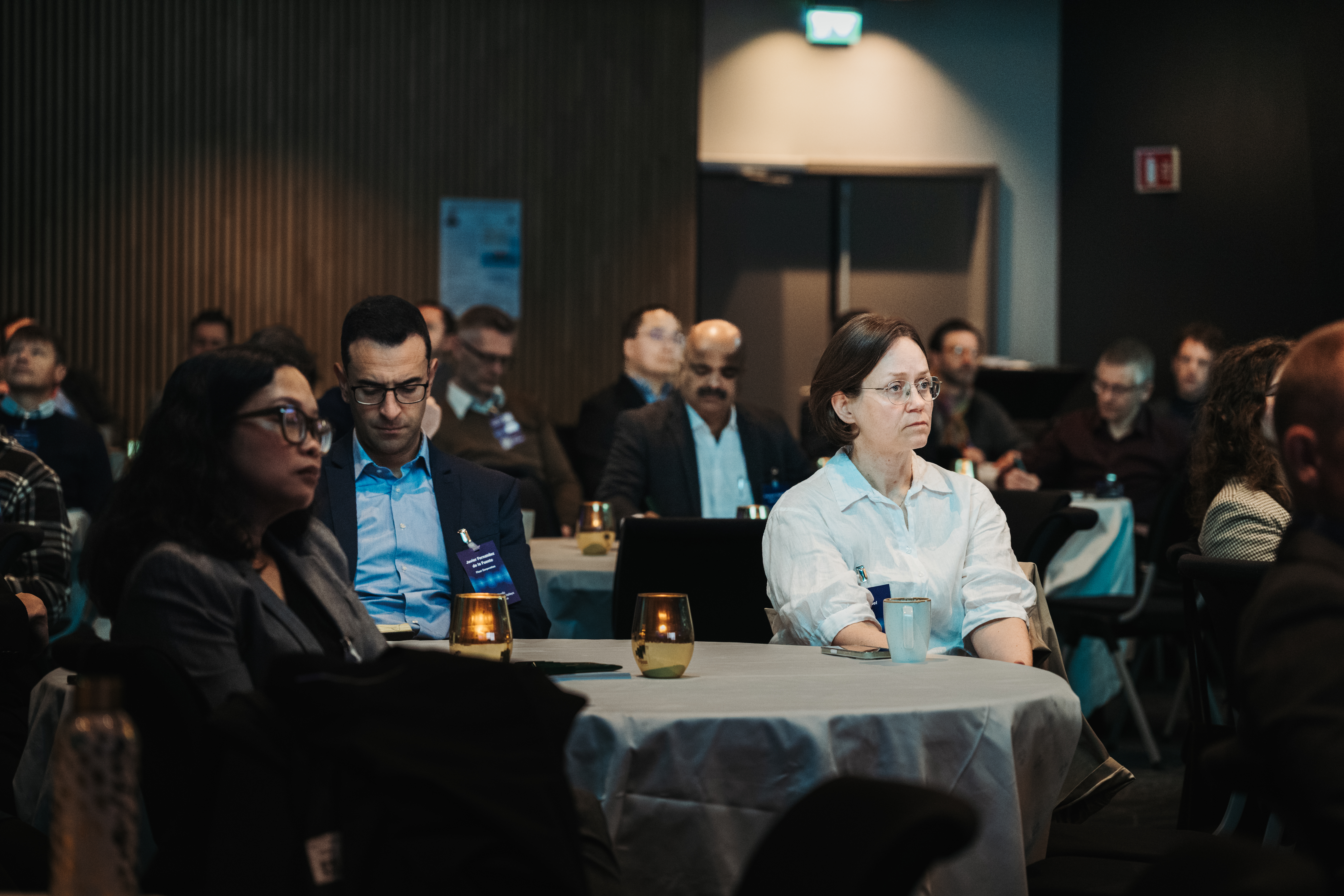
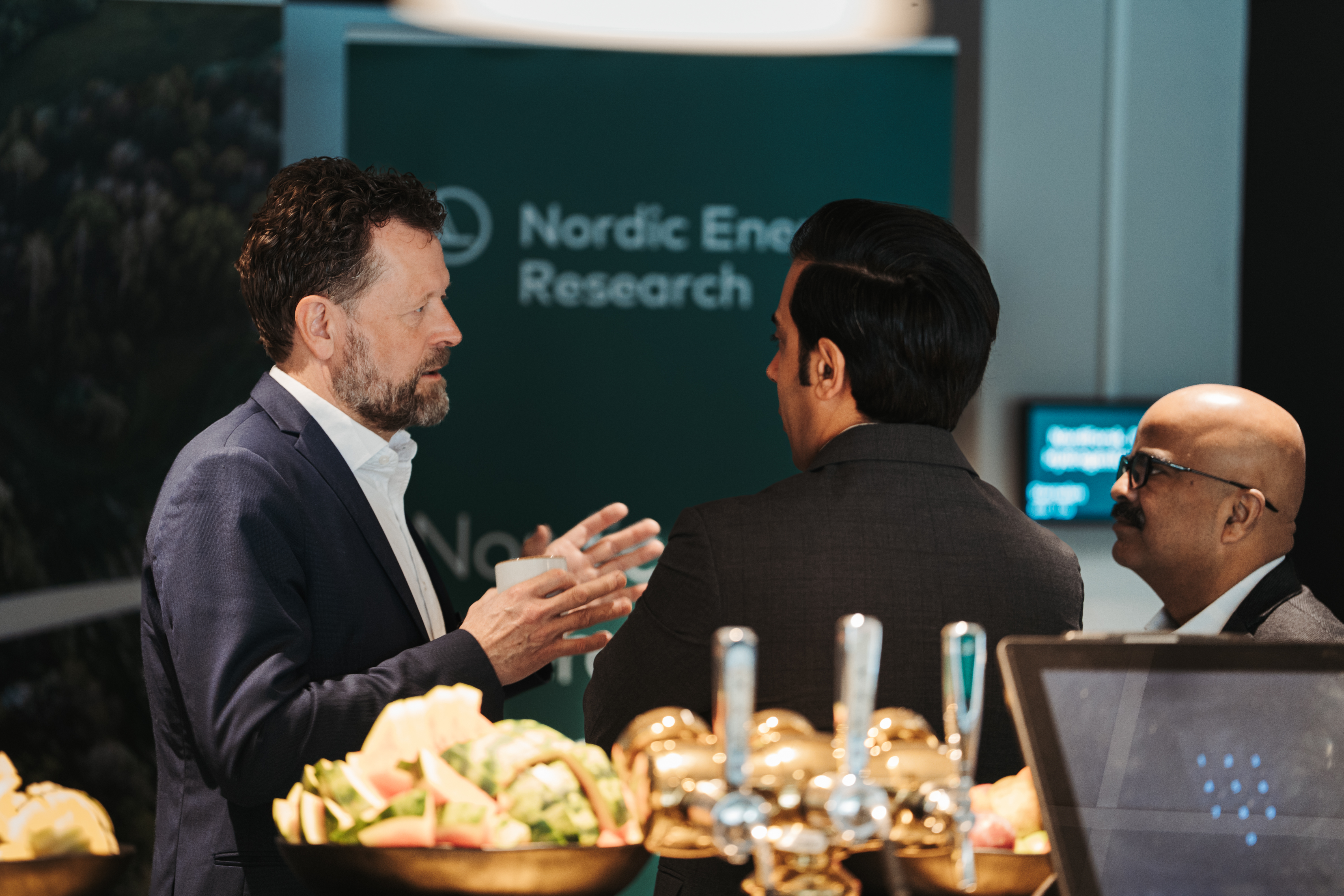
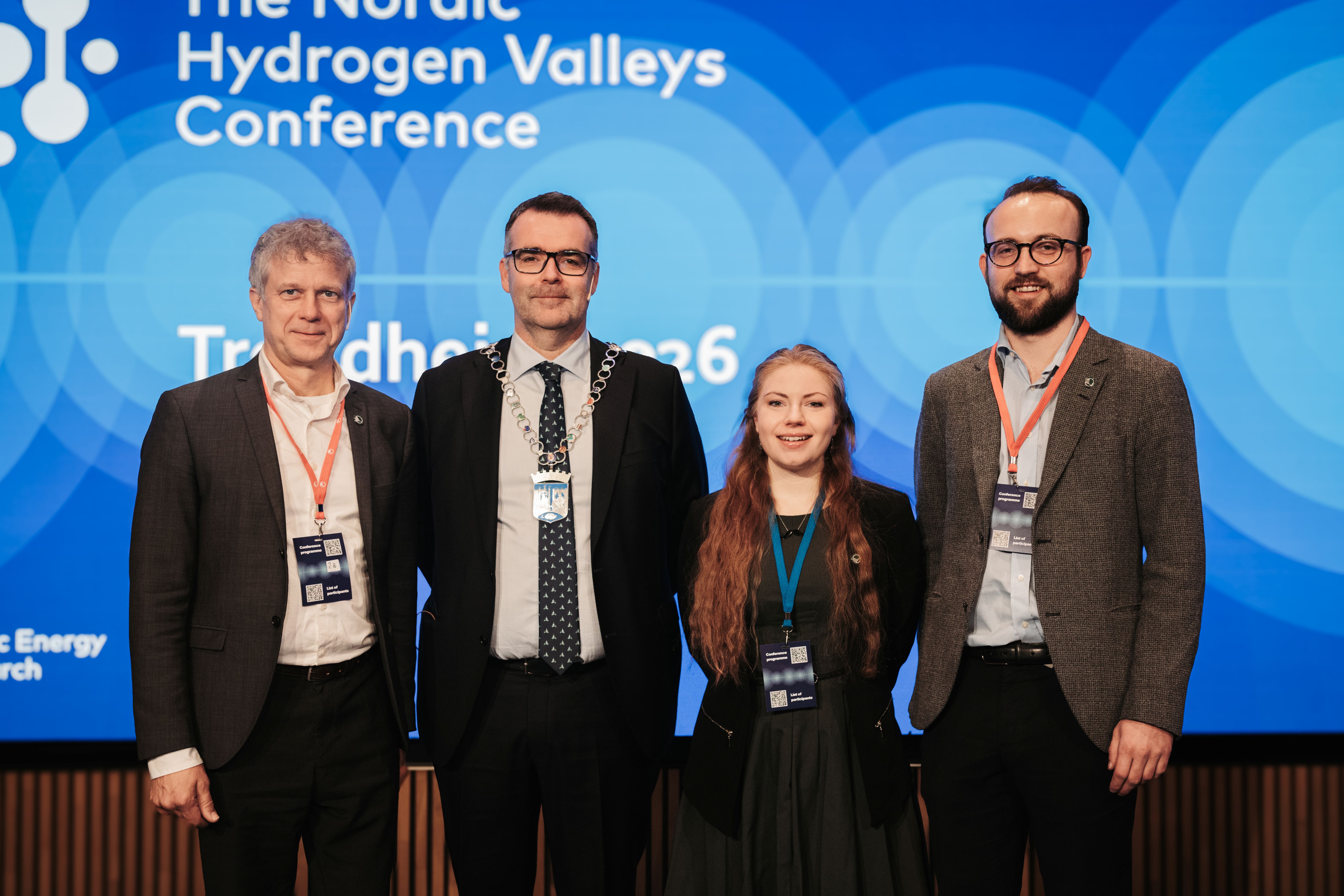
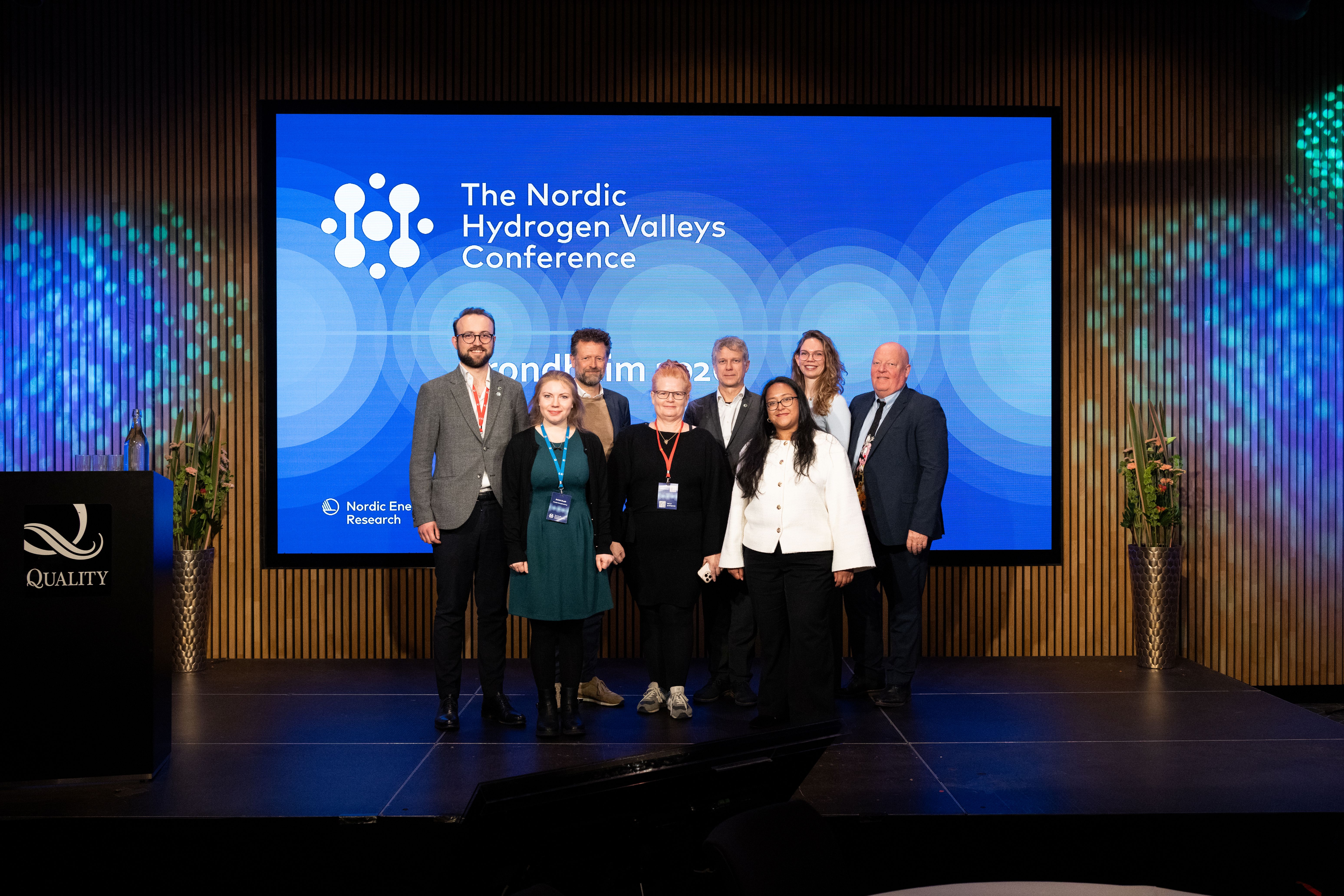
That was the central message from the Nordic Hydrogen Valleys Conference 2026, held in Trondheim on 28–29 April. Bringing together 150 participants from research, industry, and policy, the event focused less on vision and more on what is now holding progress back.
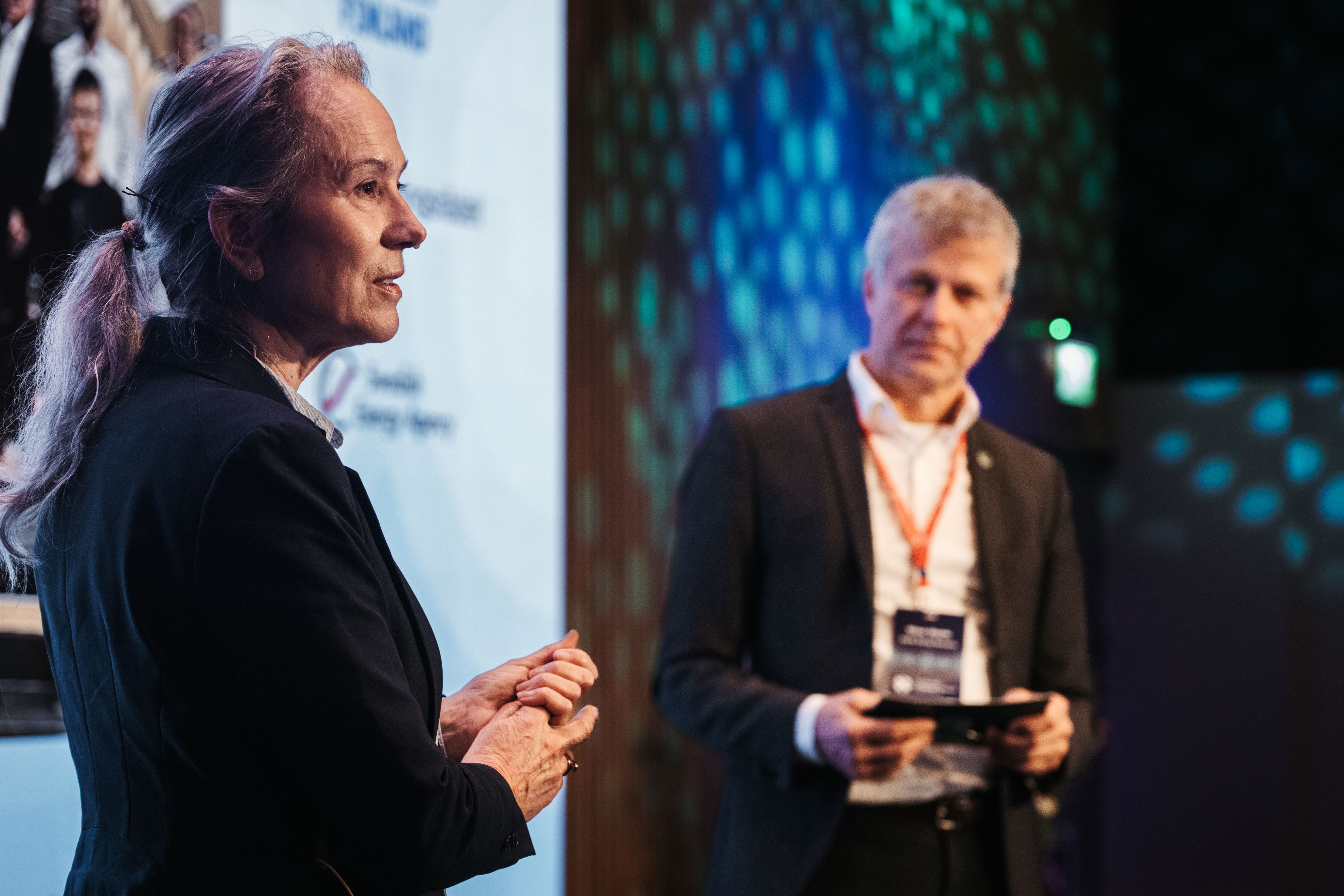
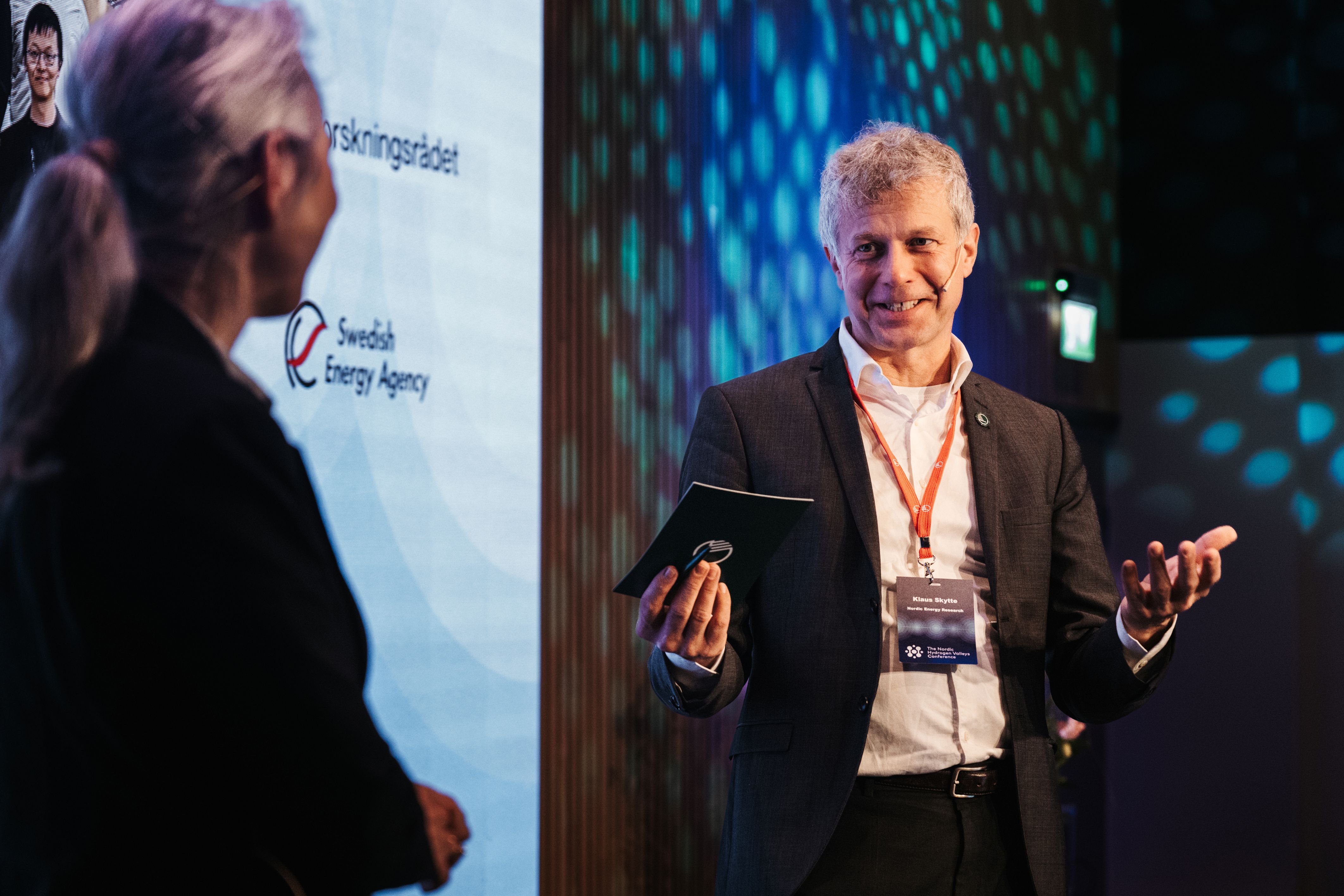
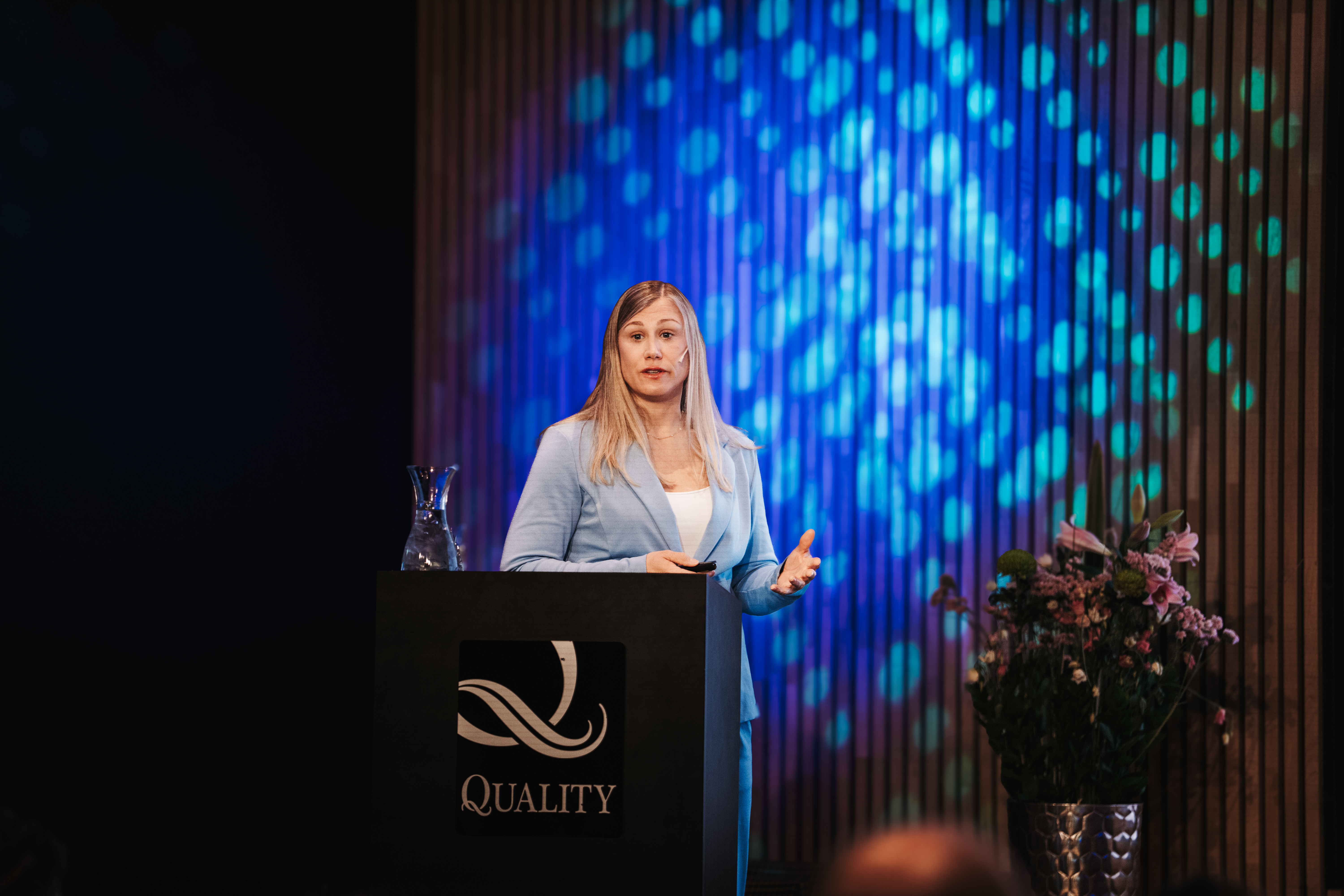
Opening the conference, Klaus Skytte, CEO of Nordic Energy Research, framed the challenge as one of moving from knowledge to action. The aim, he said, is to translate strong Nordic capabilities into investments, aligned policies, and cross-border collaboration. He described the conference as an opportunity to take stock of progress and discuss next steps.
Nordic Energy Research and broader Nordic cooperation have supported hydrogen development in the region for more than 20 years. Today, all Nordic countries have established hydrogen valleys, and several initiatives that received early Nordic support are now attracting major EU investment.
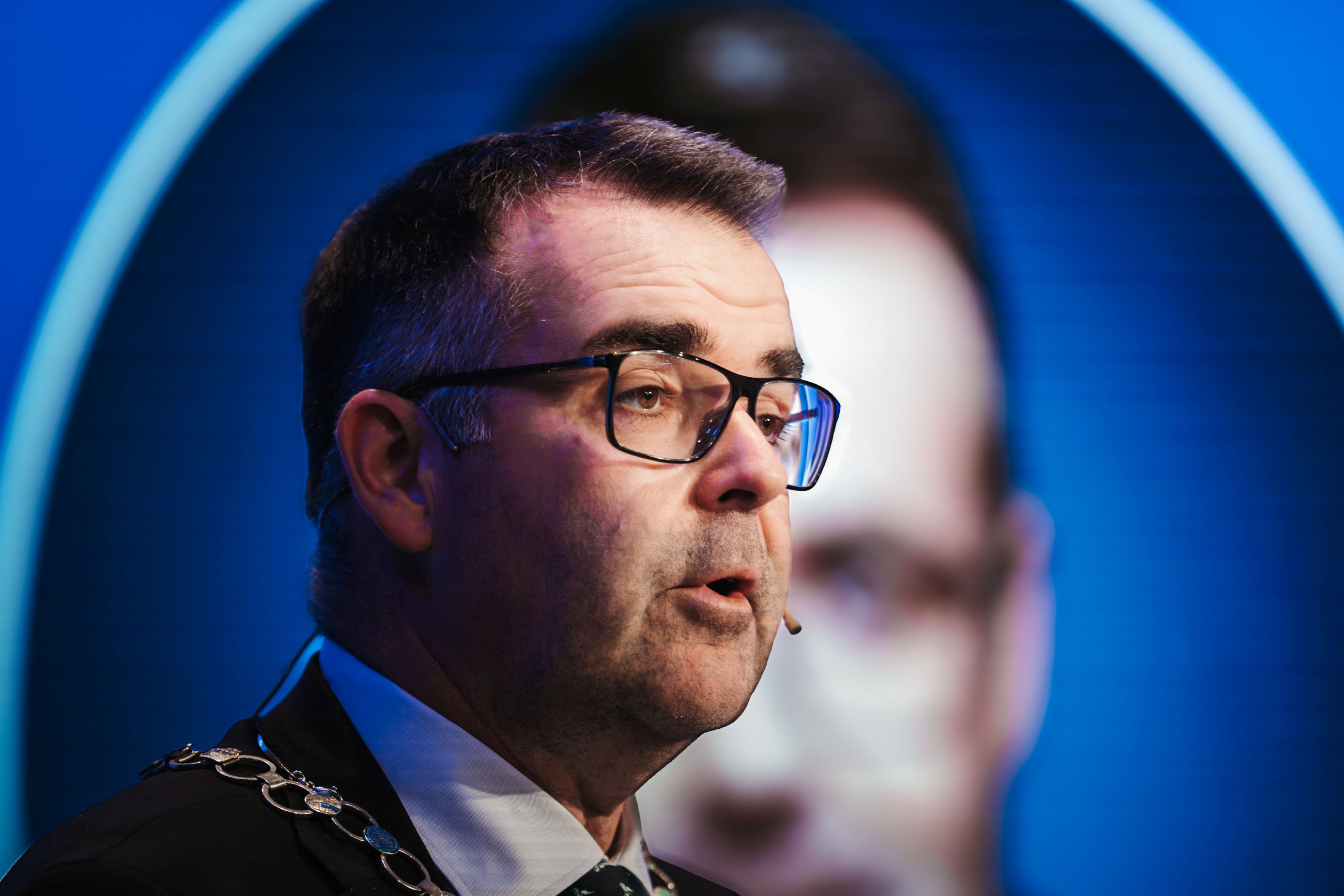
Trondheim provided a fitting backdrop for these discussions. Described by Mayor Kent Ranum as Norway’s “capital of science and technology,” the city combines leading research environments such as NTNU and SINTEF with a strong industrial base – a reminder of the strengths the Nordics already have at their disposal.
Strong potential, but policy gaps slow progress
Results from the five projects within the Nordic Hydrogen Valleys as Energy Hubs programme reveal a clear gap: the building blocks are in place, yet large-scale progress remains slow.
Across the region, opportunities to develop integrated hydrogen value chains and establish hydrogen valleys are evident. But differences in national policies continue to hinder cross-border projects, creating uncertainty for industry actors.
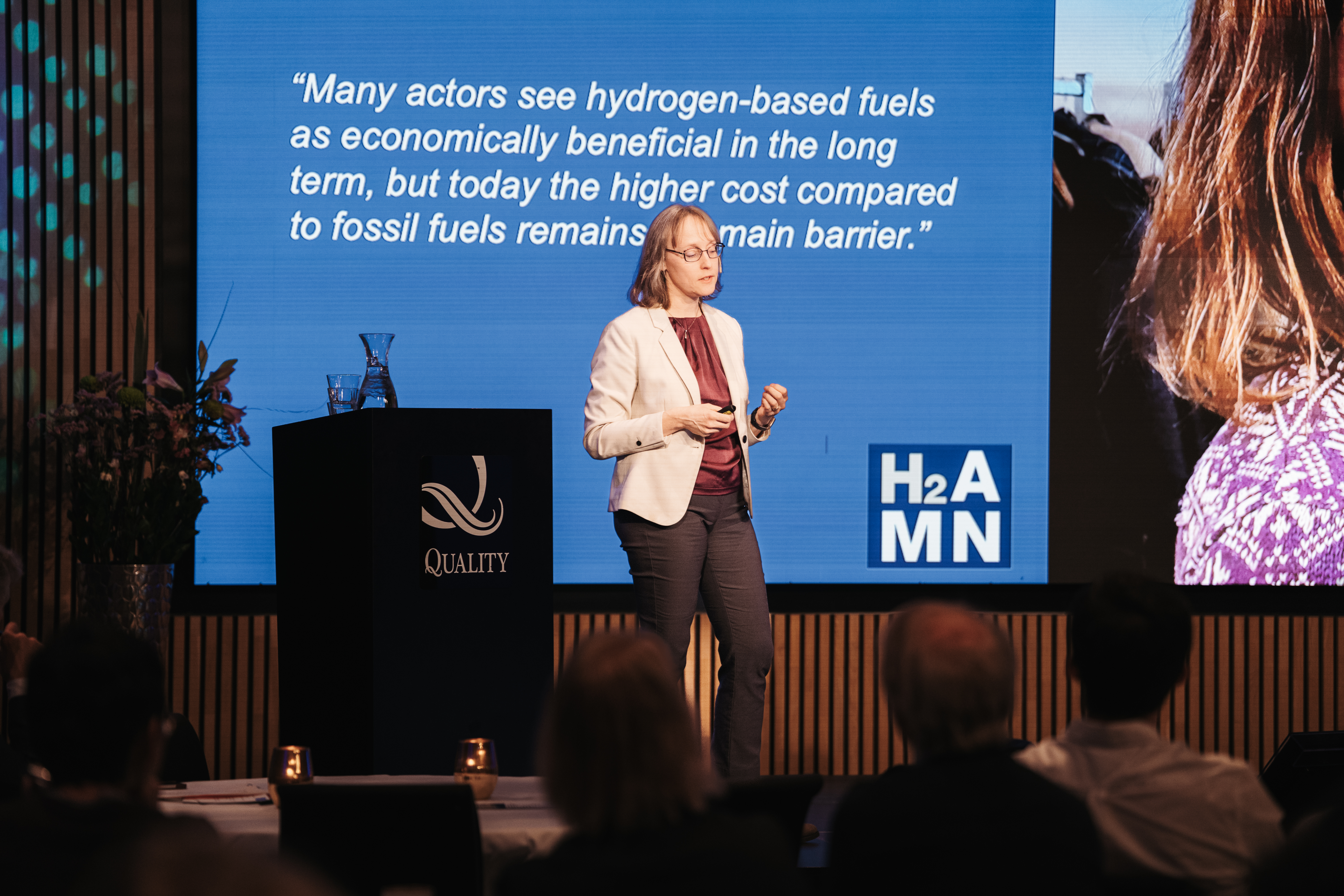
Policy fragmentation was repeatedly highlighted as a bottleneck. Cecilia Wallmark, associate professor at Luleå University of Technology and project lead of H2SIPP and H2AMN, emphasised that clearer direction is needed to unlock investments.
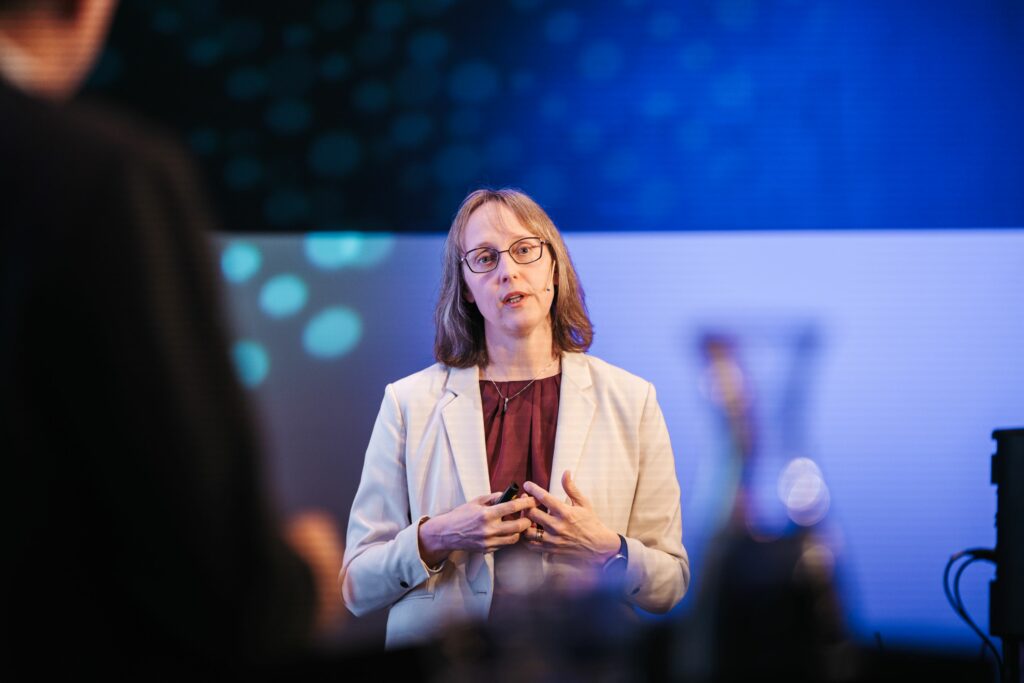
She described policy as a key enabler for hydrogen-based fuels but noted that high costs and political uncertainty make progress difficult. She stressed the need for clear leadership and more reliable policy frameworks.
At the same time, research is advancing the understanding of critical challenges such as hydrogen embrittlement, including how materials and infrastructure perform under hydrogen conditions. This points to the need for shared Nordic resources, including common databases for materials testing and modeling.
From research to deployment
Hydrogen solutions are beginning to move beyond the research phase, but large-scale deployment is still progressing slowly.
Across the Nordics, projects in heavy transport and maritime sectors show that hydrogen can play a key role where electrification is not sufficient. However, most initiatives remain at an early stage, and scaling up continues to be a challenge.
Several actors are now working to bridge this gap. Clusters such as Next Wave and companies including Volvo are working towards large-scale deployment of zero-emission trucks across Norway, Sweden, and Iceland, while Torghatten is advancing hydrogen-powered ferries with the aim of integrating them into regular operations. SINTEF is leading related work on deployment and network development.
At the same time, infrastructure remains a critical enabler. While projects such as NORHyWAY are expanding and upgrading hydrogen refueling networks across the region, availability is still limited, slowing wider adoption.

Strong Nordic foundations – limited delivery
The Nordic countries have many of the prerequisites needed to lead in hydrogen, including access to renewable energy, strong research environments, innovative industries, and a long-standing tradition of collaboration.
However, these strengths are not yet fully translating into large-scale deployment.
Fragmented policies, limitations in grid capacity, and persistent challenges in moving from pilot projects to full implementation continue to slow progress.
Several participants pointed to coordination as a key barrier. Differences in national policy frameworks continue to limit cross-border development and create uncertainty for industry.
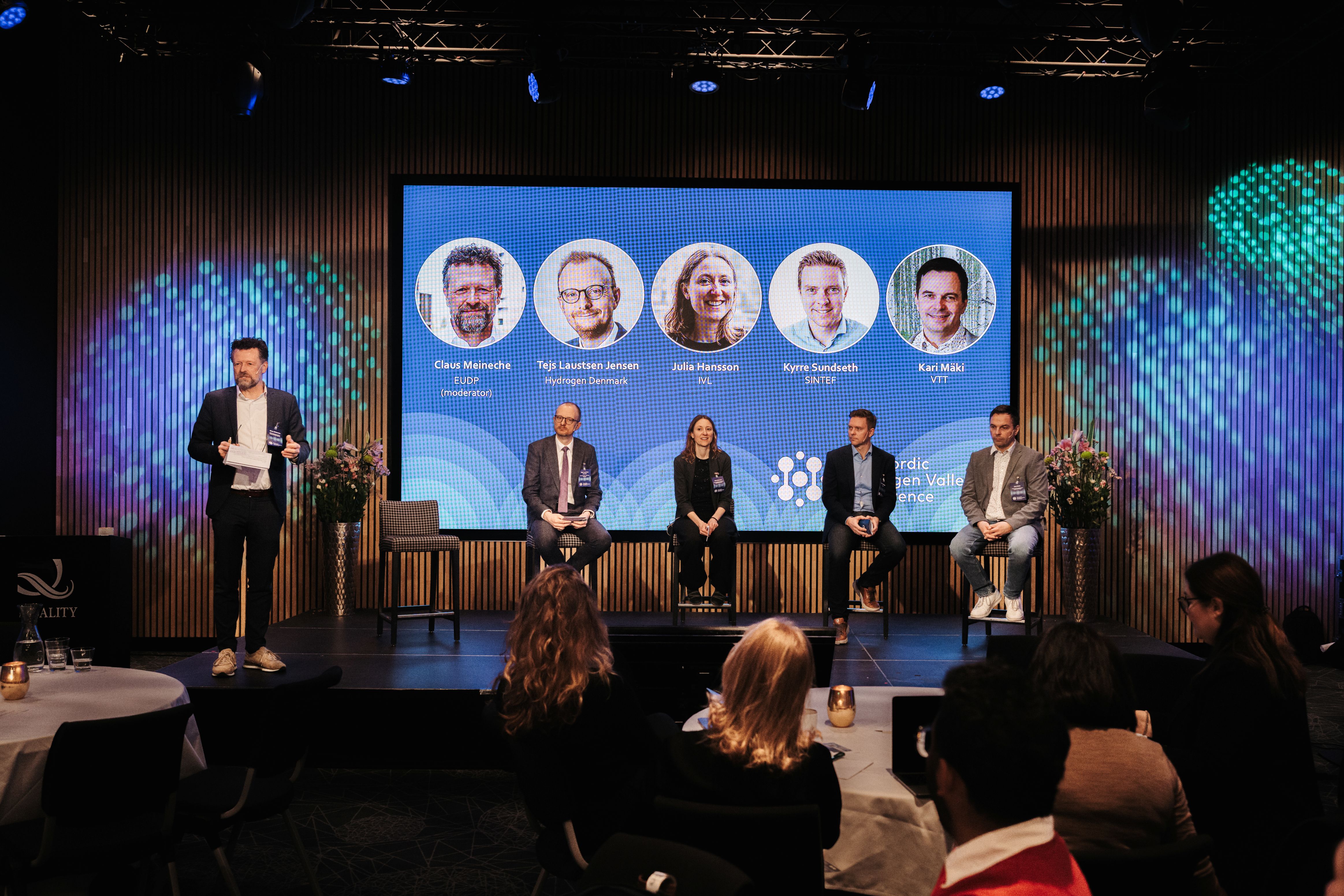
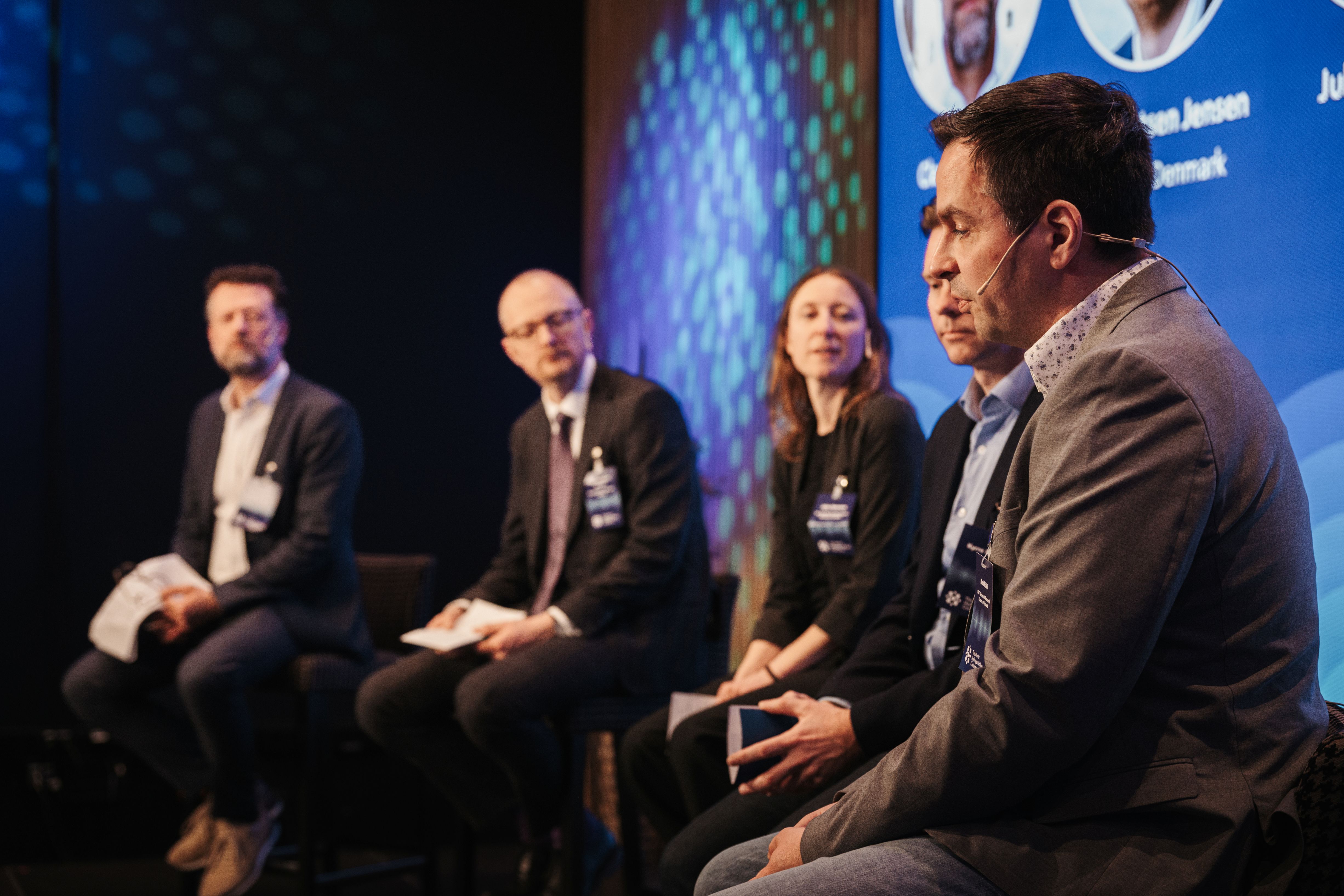
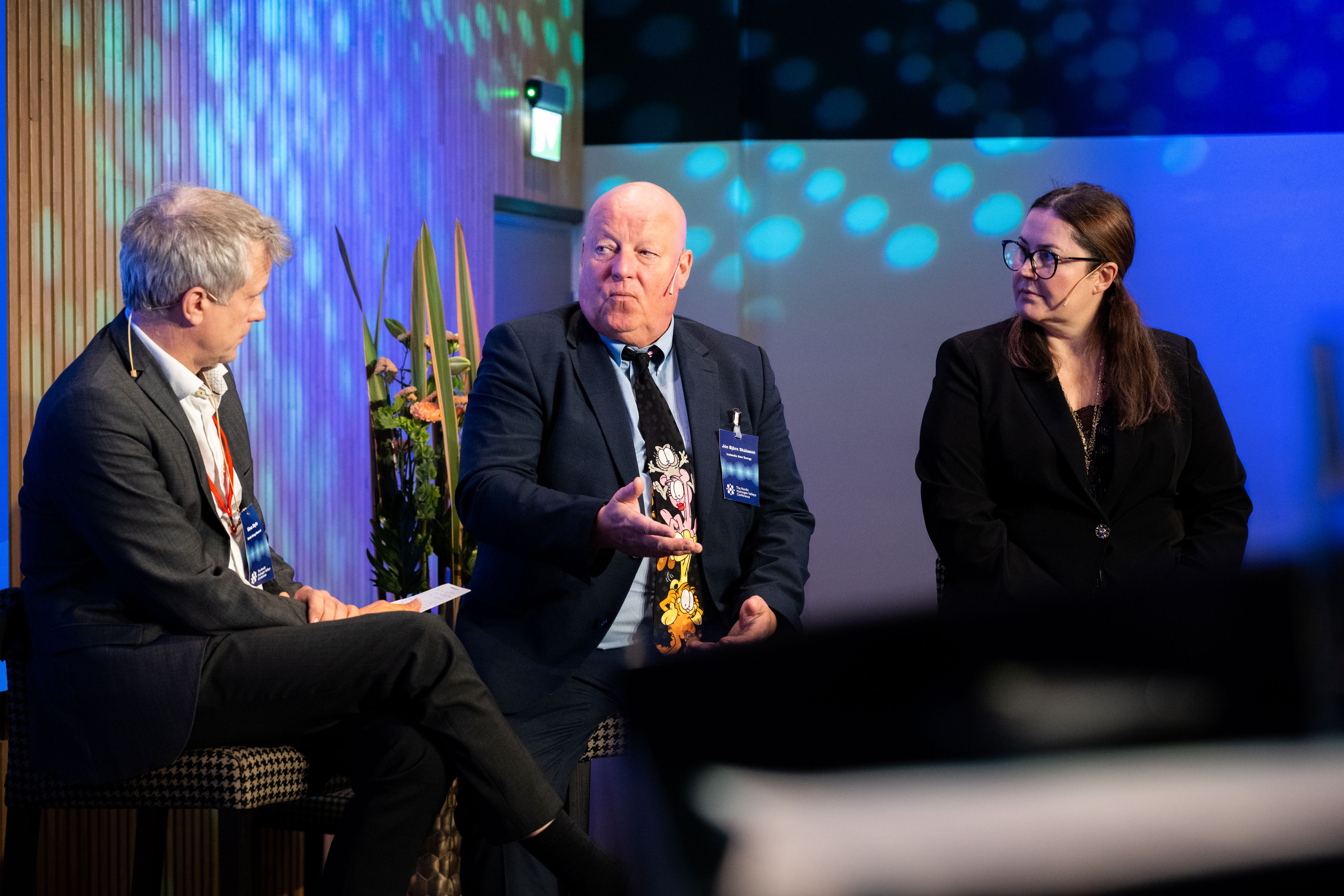
Tejs Laustsen Jensen, CEO of Hydrogen Denmark, said the Nordic countries are not sufficiently coordinated and pointed to major differences in policy approaches.
“We could be a lighthouse of inspiration for Europe if we worked better together.”

”There is a real momentum behind these projects”
At the same time, momentum is building. Collaboration is increasing, and hydrogen valleys are beginning to connect across the Nordics and beyond.
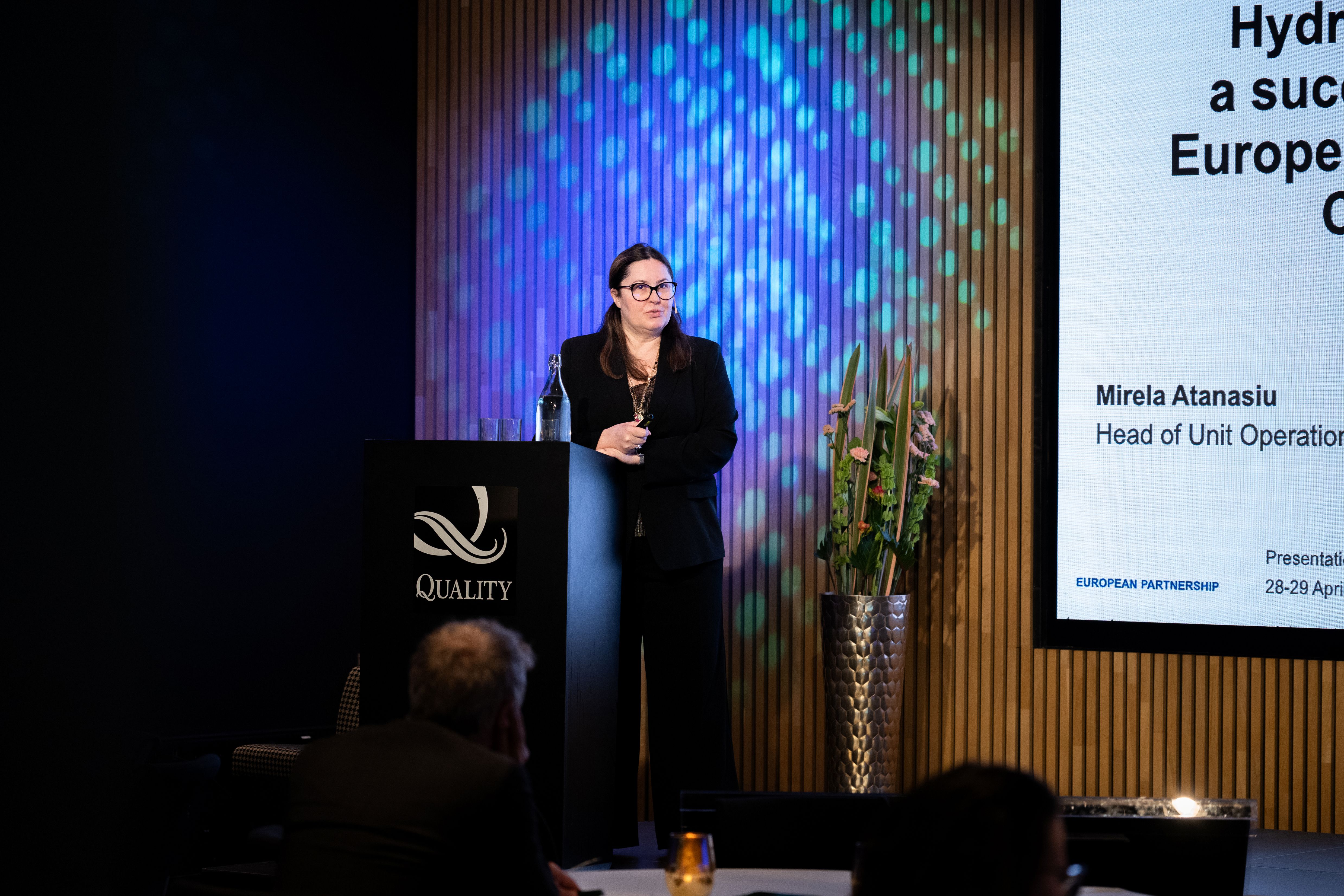
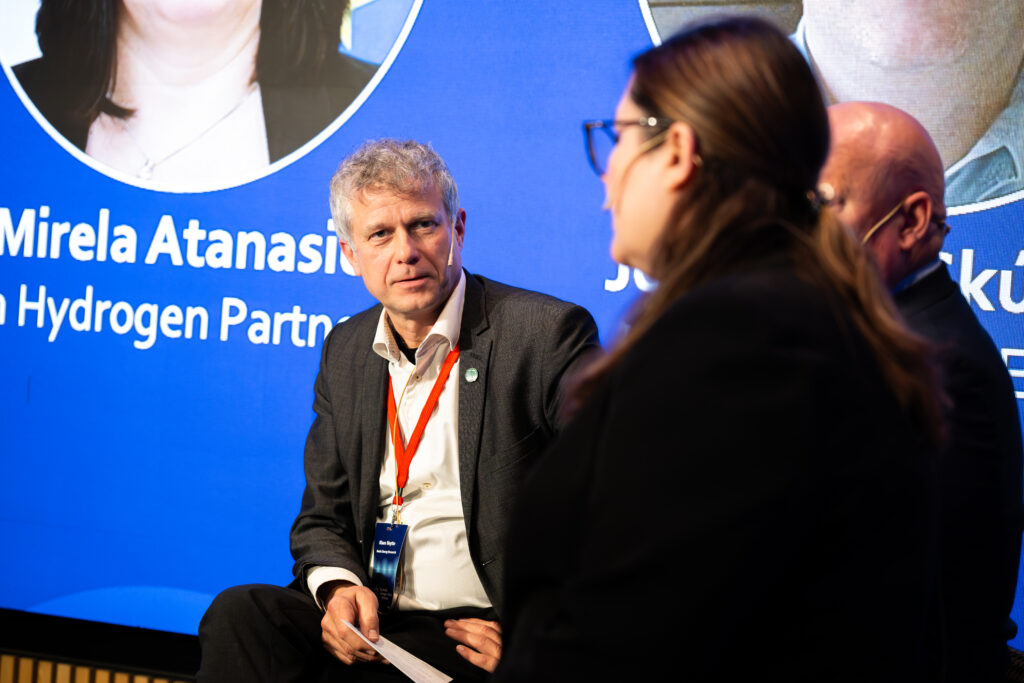
Mirela Atanasiu, Head of Unit Operations at the Clean Hydrogen Partnership, pointed to growing cooperation across the Nordics into Central and Southern Europe as well as the strengthening of ongoing initiatives. “There is real momentum behind these projects,” she said.
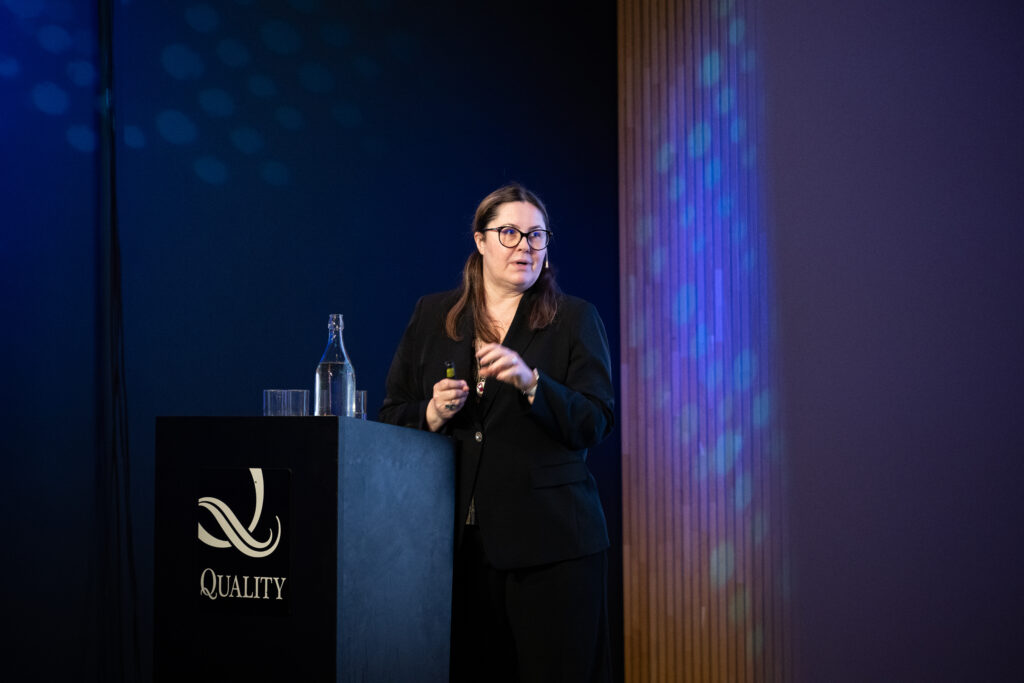
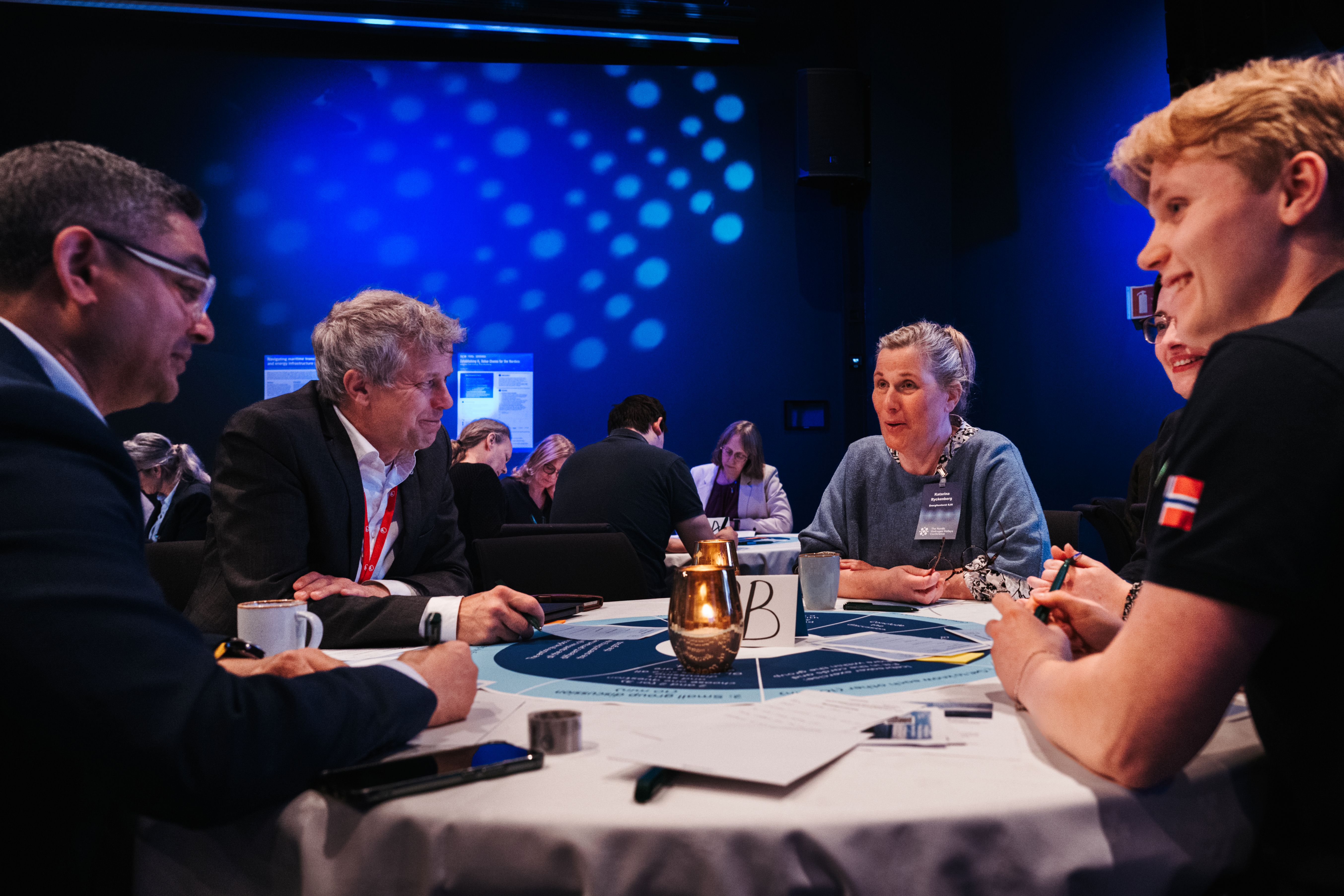
The conference concluded with a workshop in which participants contributed to the development of a roadmap for Nordic hydrogen valleys. The results from the workshop will be covered in an upcoming article.
If the Nordics are to maintain – and strengthen – their position in hydrogen, the message from Trondheim was clear: collaboration must deepen, policies must align, and the shift from pilot to full-scale implementation must accelerate.
Material from the conference
Below you can find selected presentations and photos from the conference. All photos are free to use but shall be credited to Nordic Energy Research/Martin Kirsebom.
Presentations
Session 1: Key findings from Nordic Hydrogen Valleys as Energy Hubs
Nordic H2ubs Nordic Hydrogen Hubs – Roadmaps towards 2030 and 2040
Nord_H2ub – Rally to the Valley Establishing Hydrogen Value Chains for the Nordics
Session 5: Nothing is Too Big For the Smallest Atom
Session 6: Hubs, Harbours and Marine Use of Hydrogen (Workshop)
Session 7: Bridging Ambitions and Implementation in Nordic Hydrogen
SINTEF – what is the next step?
NVE – long term power market analysis and Nordic perspectives
Clean Hydrogen Partnership – Hydrogen Valleys, a success story for Europe and the Nordic countries
Ramboll – Understanding the three drivers of public support in the Nordic energy transition