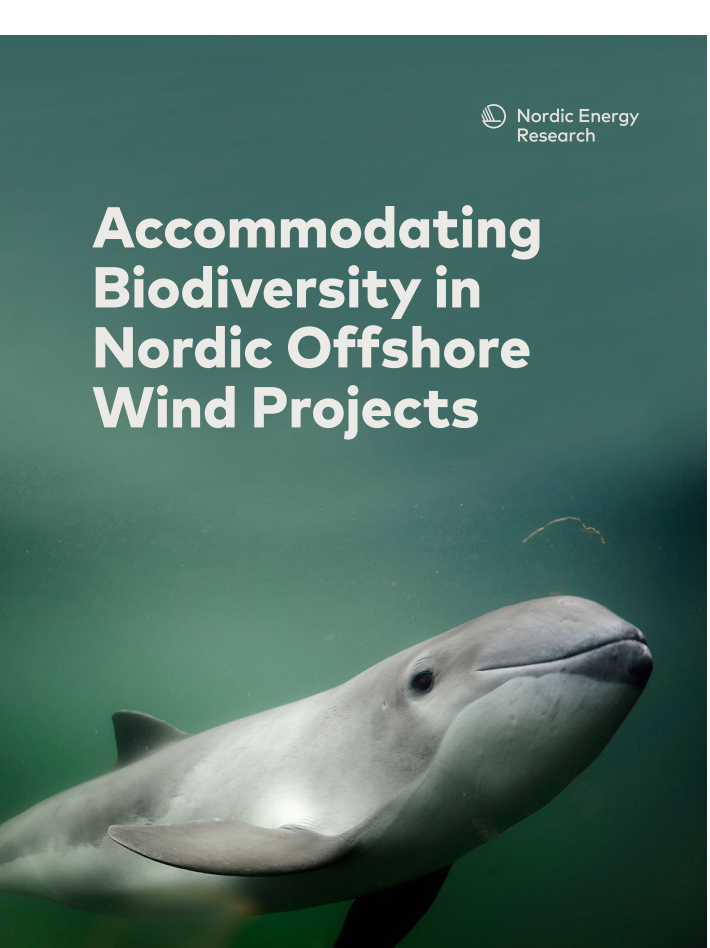
The project will explore how Nordic offshore wind projects can avoid, reduce, or compensate for biodiversity impacts, and potentially create ecosystem benefits.
Highlighting best practice
In the coming years, the Nordics will see a significant increase in the number and size of offshore wind farms. Yet, as demand for renewable energy grows, so too will pressures on the region’s natural resources. The convergence of societal needs requires new processes for stakeholder dialogue and integrated decision support, to balance these ambitions.
A consulting team will prepare a catalogue of examples, illustrating offshore wind projects that succeed at accommodating biodiversity in the Nordic region and neighbour countries, such as Germany, the Netherlands, and the Baltics. It will draw on interviews with industry and local stakeholders, site owners and operators, suppliers, contractors, regulators, and scientists.
The Nordics are key to the Europe’s green energy ambitions
The European Commission anticipates the need for a 20-fold increase in the EU’s offshore wind capacity to reach climate neutrality by 2050. The Nordic region will play a central role, since it is estimated that the North Sea can supply around 200 GW by 2050, and the Baltic Sea around 80 GW. The Danish energy islands, to be established in 2030, will consist of 3 GW in the North Sea and 2 GW in the Baltic Sea, and may connect to neighbour countries.
The Commission’s Offshore Renewable Energy Strategy recognises that the North Sea and Baltic Sea will be important to securing Europe’s first-mover advantage in offshore wind. Meanwhile, the European Green Deal Communication underscores that scaling up the offshore wind industry must be compatible with the EU Biodiversity Strategy, to promote coexistence with the environment and other uses of the sea space, like fisheries.
Nordic value
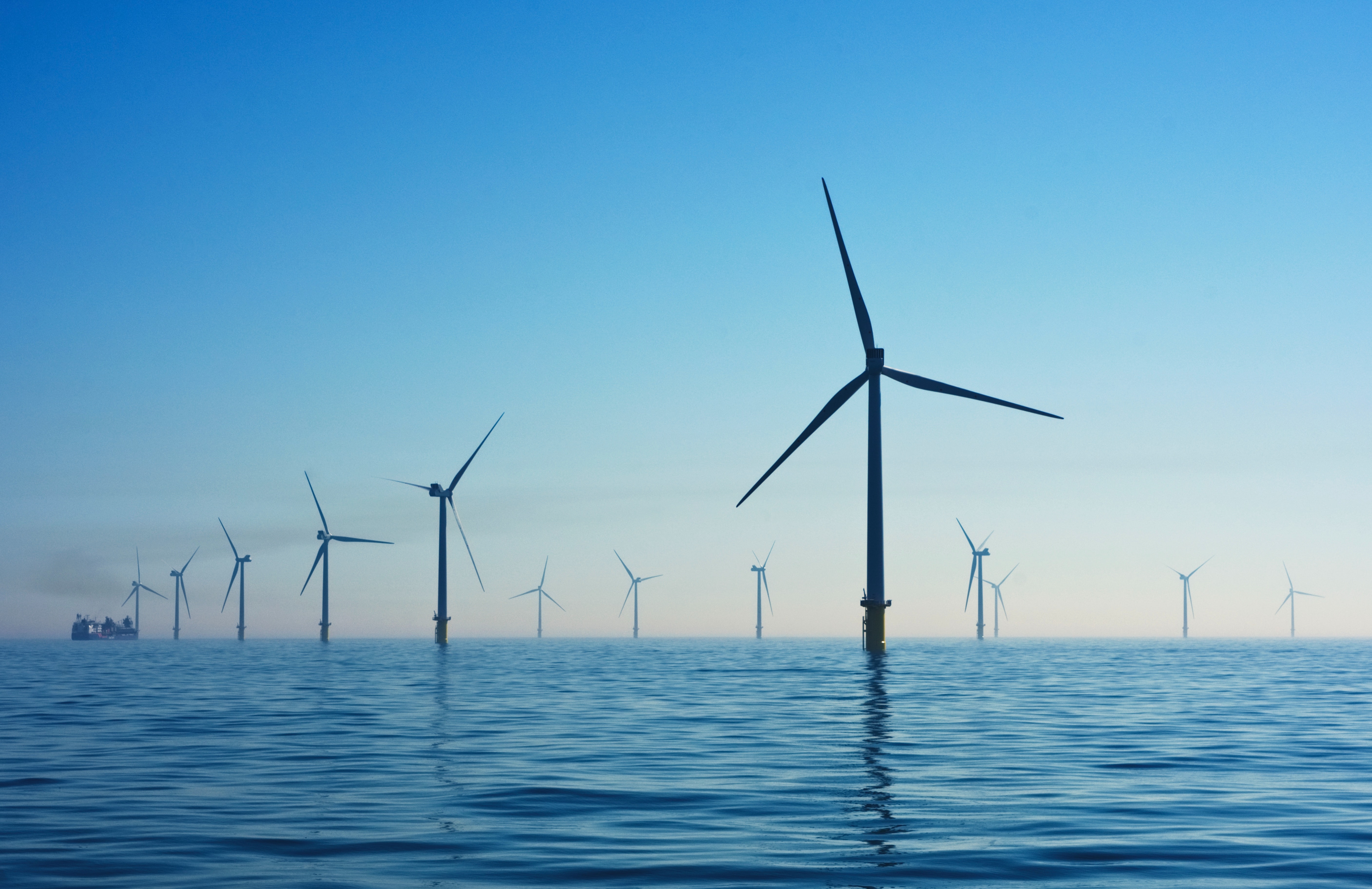
Commercial-scale offshore wind farms are already operating in Nordic waters, and large new projects are being announced. As the industry grows, developers must understand how to best involve different stakeholders and gather local knowledge, for sound planning.
Nordic biodiversity at risk includes seabirds, migratory shore and landbirds, waterfowl, bats, porpoises, turtles, fish, and a variety of offshore and coastal habitats, such as sandbanks, seagrasses, marshes, oyster beds and wetlands. Possible impacts include collision and injury, displacement, barrier effects, habitat loss, and indirect ecosystem effects.
However, gathering local knowledge to optimise planning and site selection, long-term monitoring programmes, careful scheduling of operations, and accounting for upstream activities can help to manage these impacts, and may have advantages, such as the establishment of ‘no fishing zones’ or artificial reefs where marine species can thrive.
The feasibility and ecological implications of these measures will be considered in all project phases, from site characterisation and design, through construction and operation, to end-of-life. The results will inform regulators and industry, with a view to increasing the share of renewables in the Nordic energy system, while conserving the region’s nature for the future.
Project results