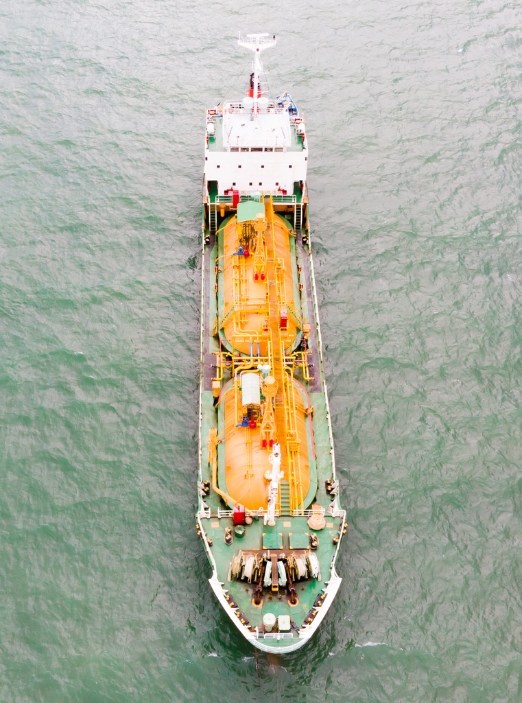
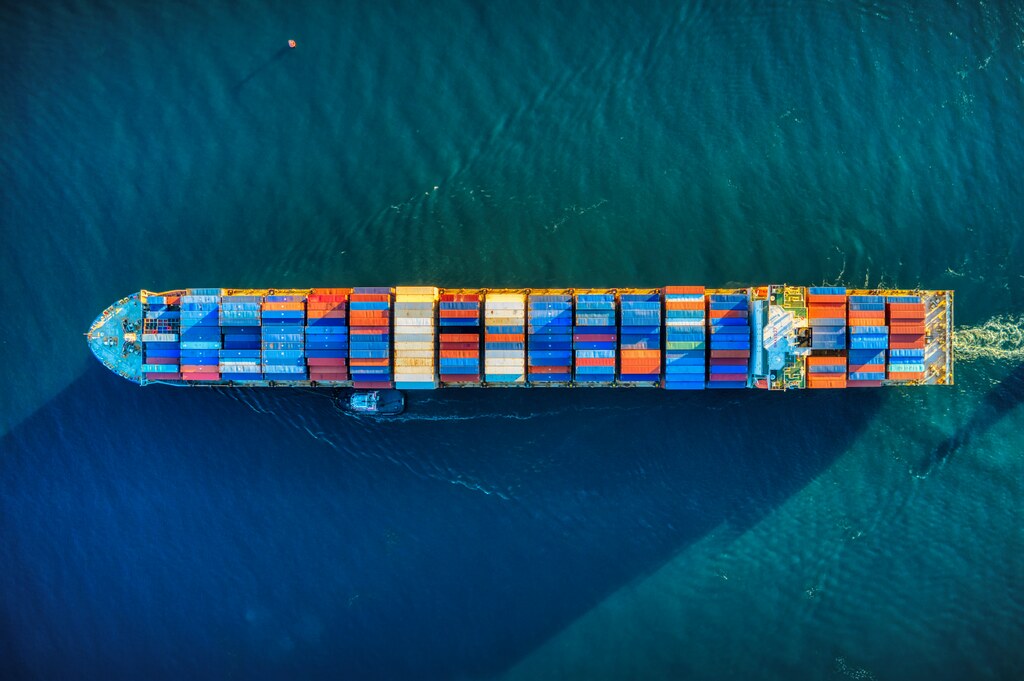
The project Concepts of ammonia/hydrogen engines for marine application (CAHEMA) investigates innovative injection and combustion strategies using ammonia and hydrogen, to achieve Reactivity Controlled Compression Ignition (RCCI) and Direct-injection dual fuel stratification (DDFS) for marine engines.
To develop these engine concepts, the project combines advanced computational models and experimental techniques. It also assesses the potential environmental, economic, and regulatory impacts.
CAHEMA hypothesises that marine engines could use a combination of ammonia and hydrogen as fuels, based on new engine concepts, to operate successfully and without the emission of large amounts of pollutants and GHG. To prove this, the project analyses chemical reactions, and establishes computational models that can predict these reactions. Knowledge of the chemical reactions allows the project to simulate the physical processes taking place in an engine using computational models. Finally, the concepts developed herein are proven with engine experiments, and their environmental impact are evaluated.

Project results
Life cycle assessment of ammonia/hydrogen-driven marine propulsion
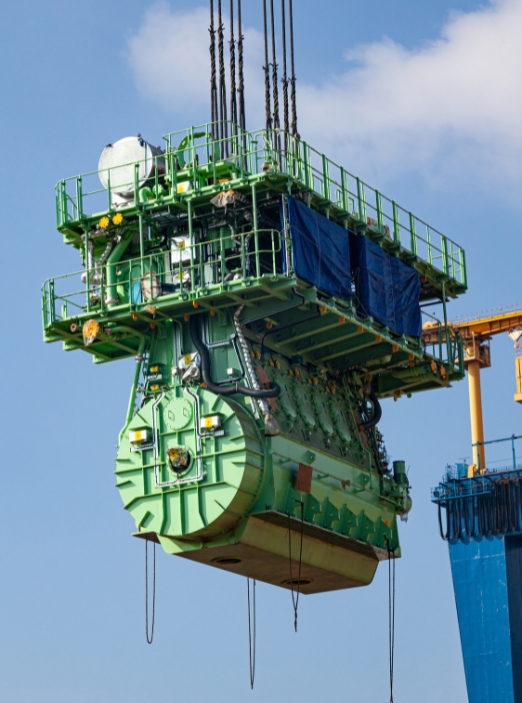
A skeletal chemical kinetic mechanism for ammonia/n-heptane combustion
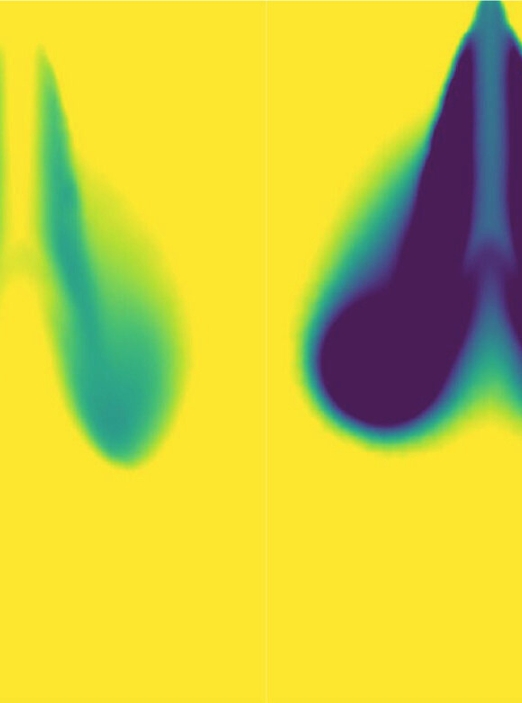
Numerical study on liquid ammonia direct injection spray characteristics